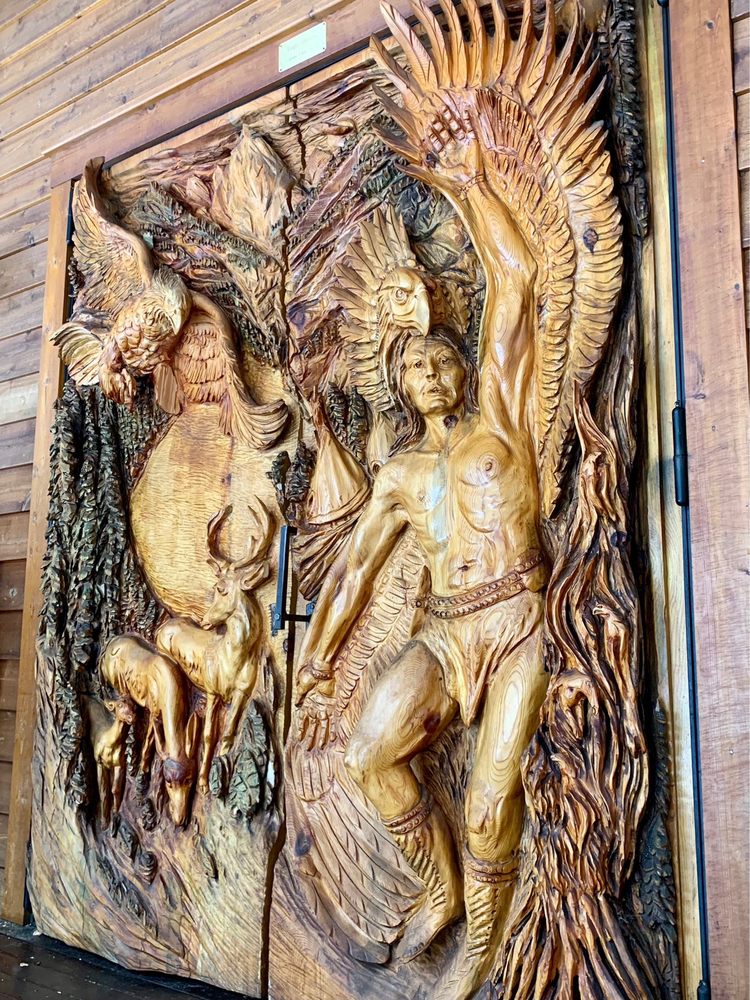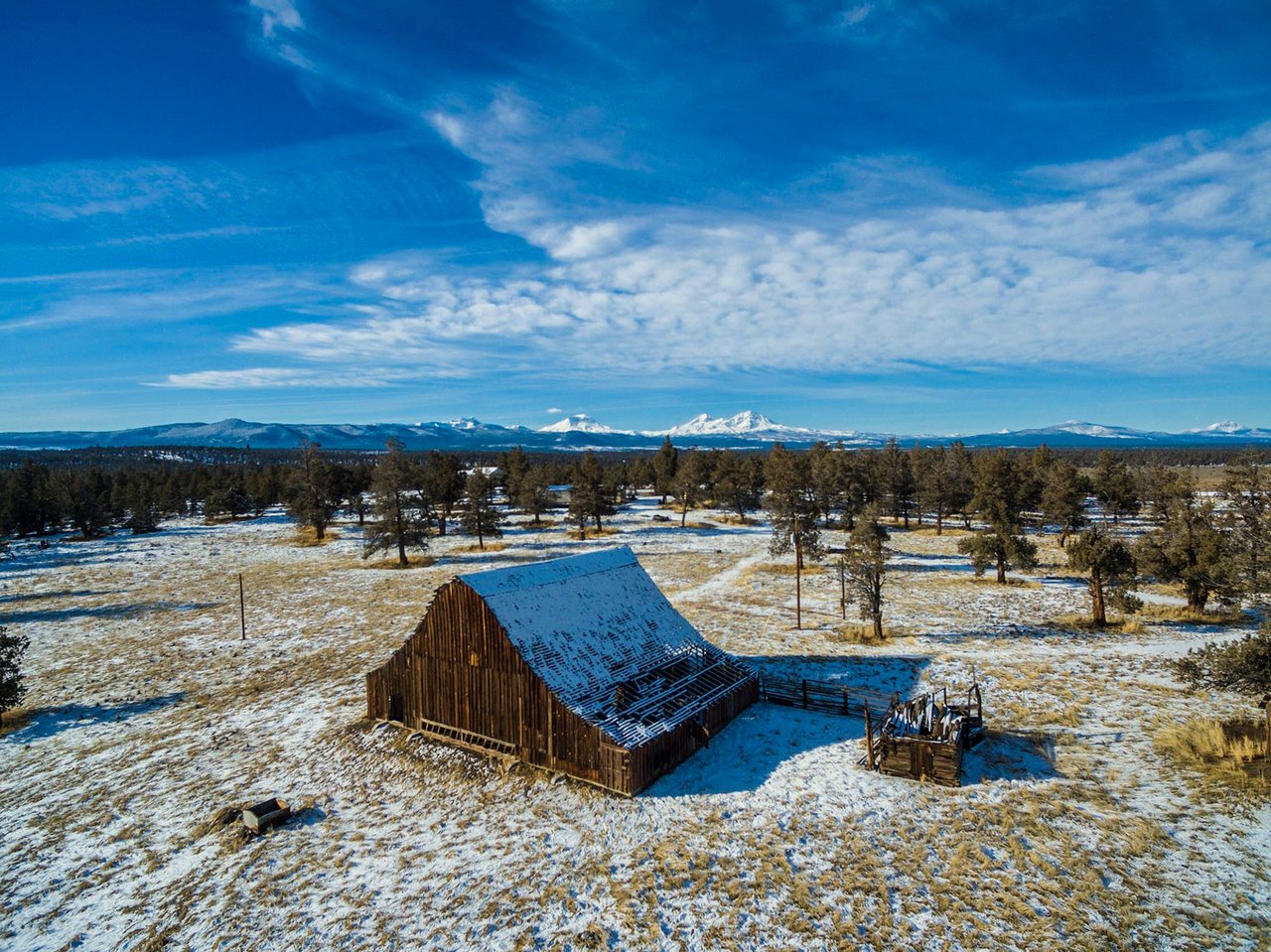
Welcome to
Sisters, OR Real Estate & Luxury Homes for Sale
Where charm meets serenity in the shadow of the Cascades.
7,500 people live in Sisters, where the median age is 52.3 and the average individual income is $53,351. Data provided by the U.S. Census Bureau.
Total Population
Median Age
Population Density
Average individual Income
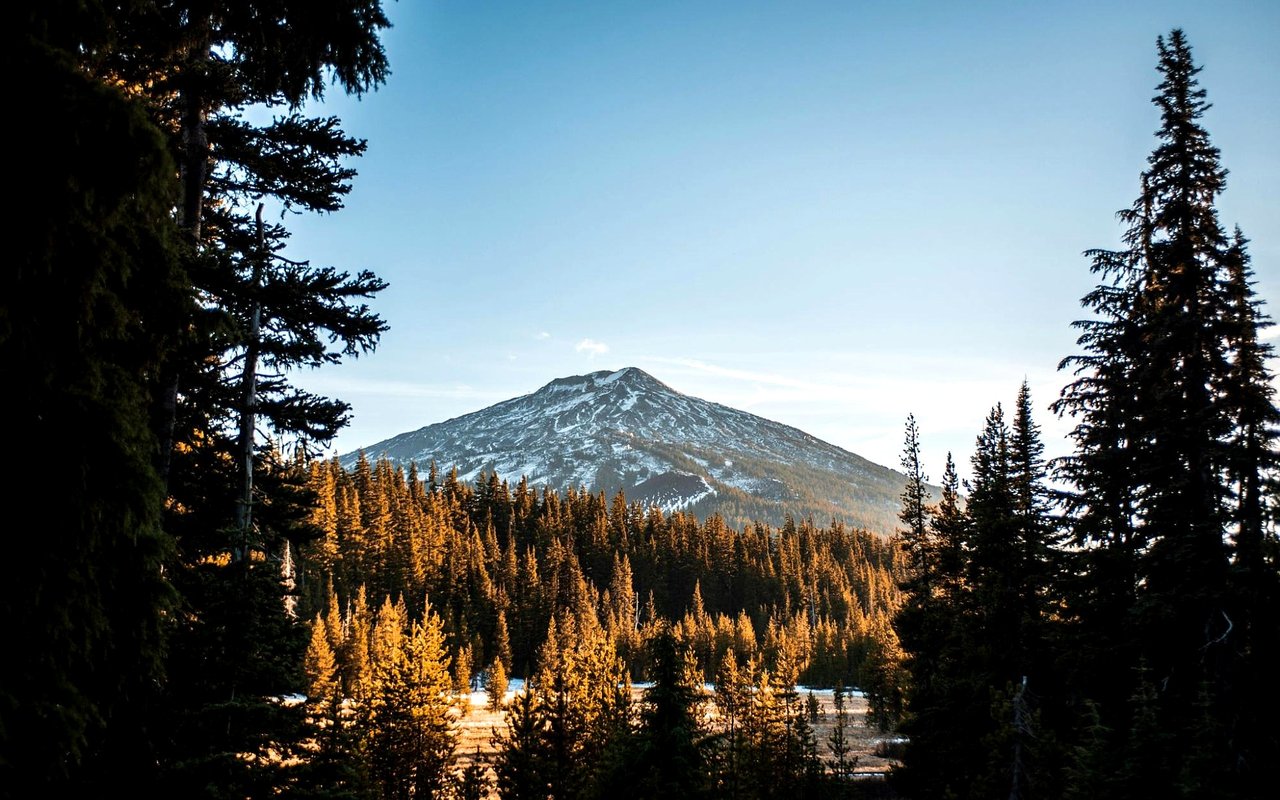
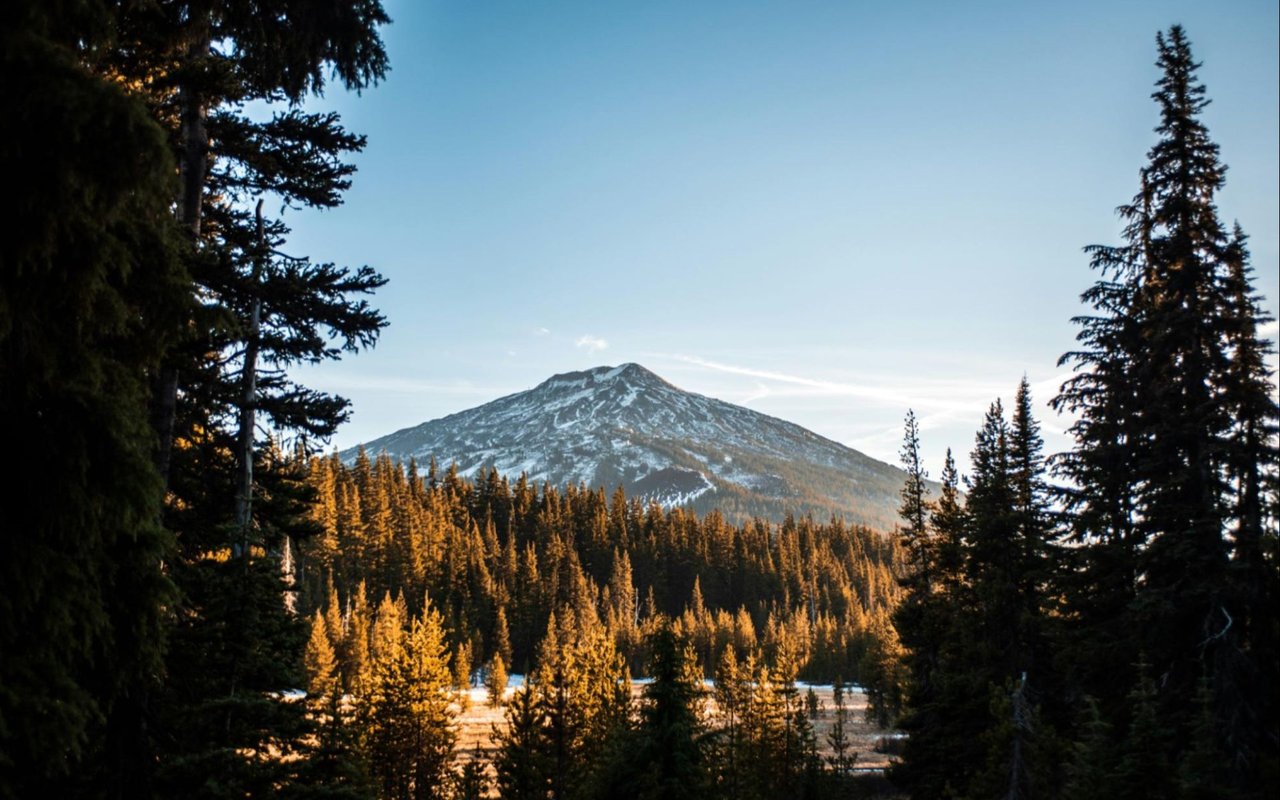
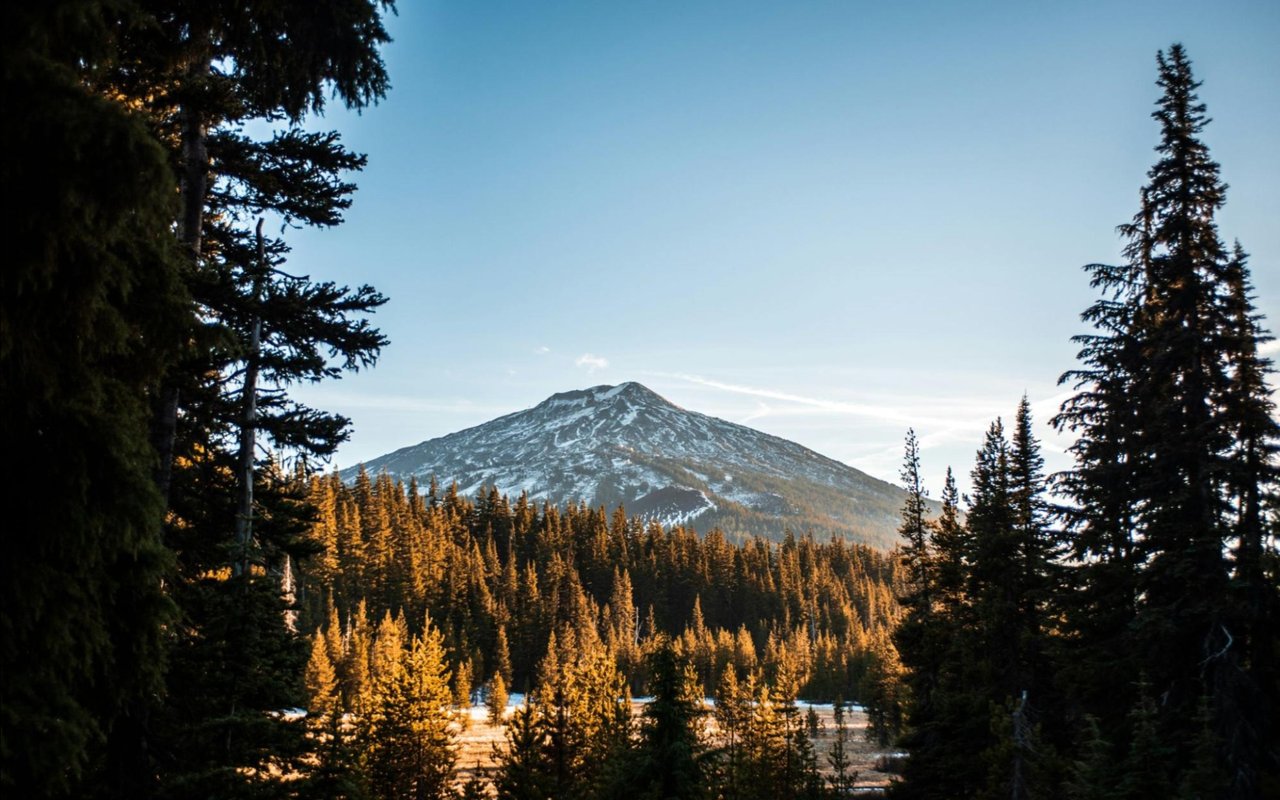
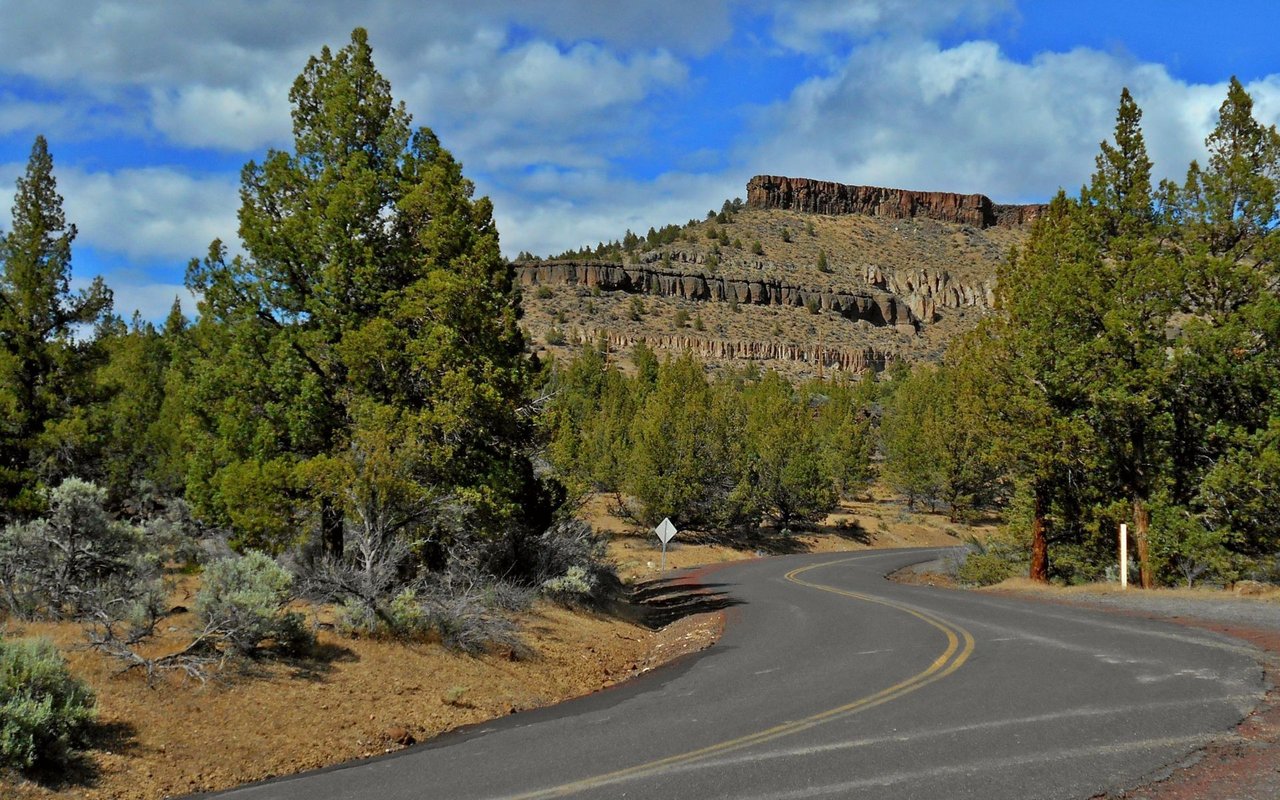
Sisters sits at the eastern base of the Cascade Range, twenty-two miles northwest of Bend, where the ponderosa forest thins into high desert and three volcanic peaks fill the western skyline. It is one of the few Central Oregon towns that has managed to stay genuinely small while becoming genuinely desirable — a combination that makes the real estate here behave differently than anywhere else in Deschutes County. This guide walks through what buyers actually need to know: the sub-markets, the infrastructure realities outside city limits, the design rules inside them, and the practical questions that decide whether a Sisters property is the right fit.
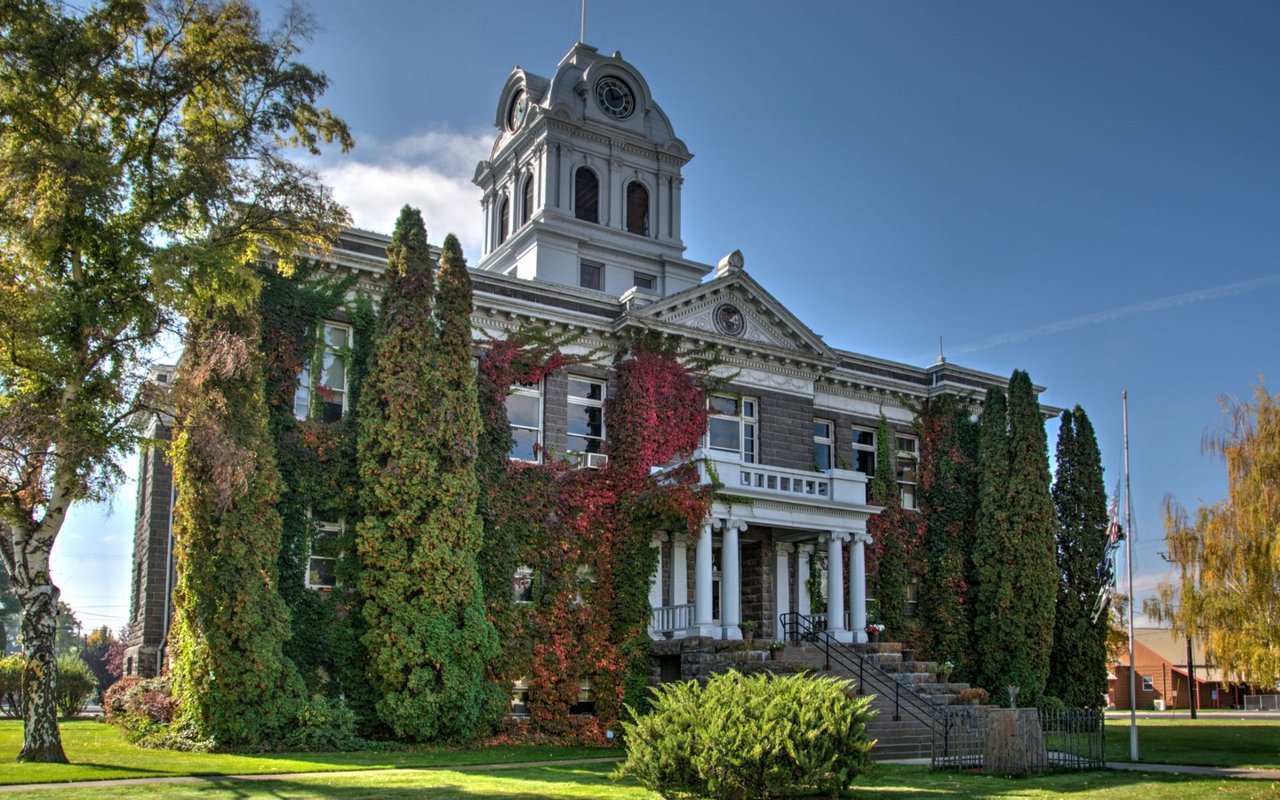
Sisters is a town of roughly 3,000 people that hosts hundreds of thousands of visitors a year, and daily life here reflects both facts. The commercial core is built around a codified 1880s Western frontier theme — false-front facades, board-and-batten siding, timber posts — which means the town reads as a cohesive place rather than a strip of competing storefronts. Underneath that aesthetic is a resort-town economy and a community that funds its own enrichment programs through local levies and foundations.
The lifestyle is defined by proximity. Hiking, mountain biking, trail running, fly fishing on the Metolius, and winter skiing at Hoodoo are all within about thirty minutes of downtown. Bend's hospitals, airport access, and broader job market are twenty-five to thirty-five minutes east. The result is a place where people trade a slightly longer commute for quiet streets, a top-rated school district, and a front-row view of the Three Sisters.
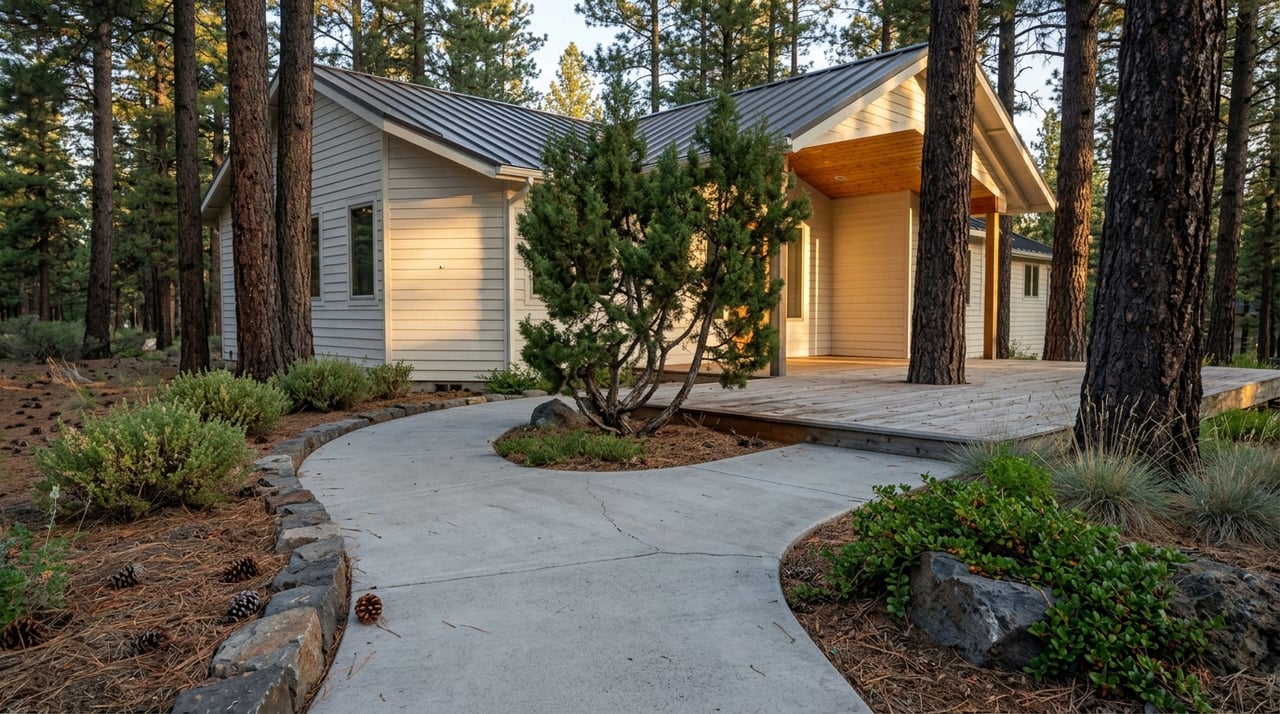
The climate is high desert: abundant sunshine, low humidity, snowy winters, and warm summer days that cool sharply after dark. Snow load and shoulder-season freeze-thaw cycles matter more here than in Bend, and they show up in how homes are built — steeper or purpose-designed rooflines, deeper eaves, and heating systems sized for real winter.
Sisters serves three buyer pools simultaneously: full-time residents and families drawn by schools, retirees relocating for lifestyle, and vacation-home buyers who want Cascade access without Bend prices or Bend density. That mix keeps demand steady across price tiers, but it also means listings compete against very different comparables depending on whether a property is in-town, in a resort community, or on acreage.
Market Parameter | Current Overview |
|---|---|
Median listing price | ~$775,000 – $830,000 |
Median sold price | ~$660,000 – $720,000, varying widely by property type and acreage |
Property types | In-town single-family, luxury acreage estates, master-planned golf and resort communities |
Market condition | Balanced to slightly buyer-favorable, with steadier inventory than peak boom years |
The spread between median list and median sold price is the number worth studying. It reflects a market where well-priced in-town homes move efficiently while aspirationally priced acreage and view properties sit longer. Inventory in Sisters is thin by nature — the Urban Growth Boundary limits how much new in-town product can exist — so a single new subdivision phase can noticeably shift the competitive picture in a given price band.
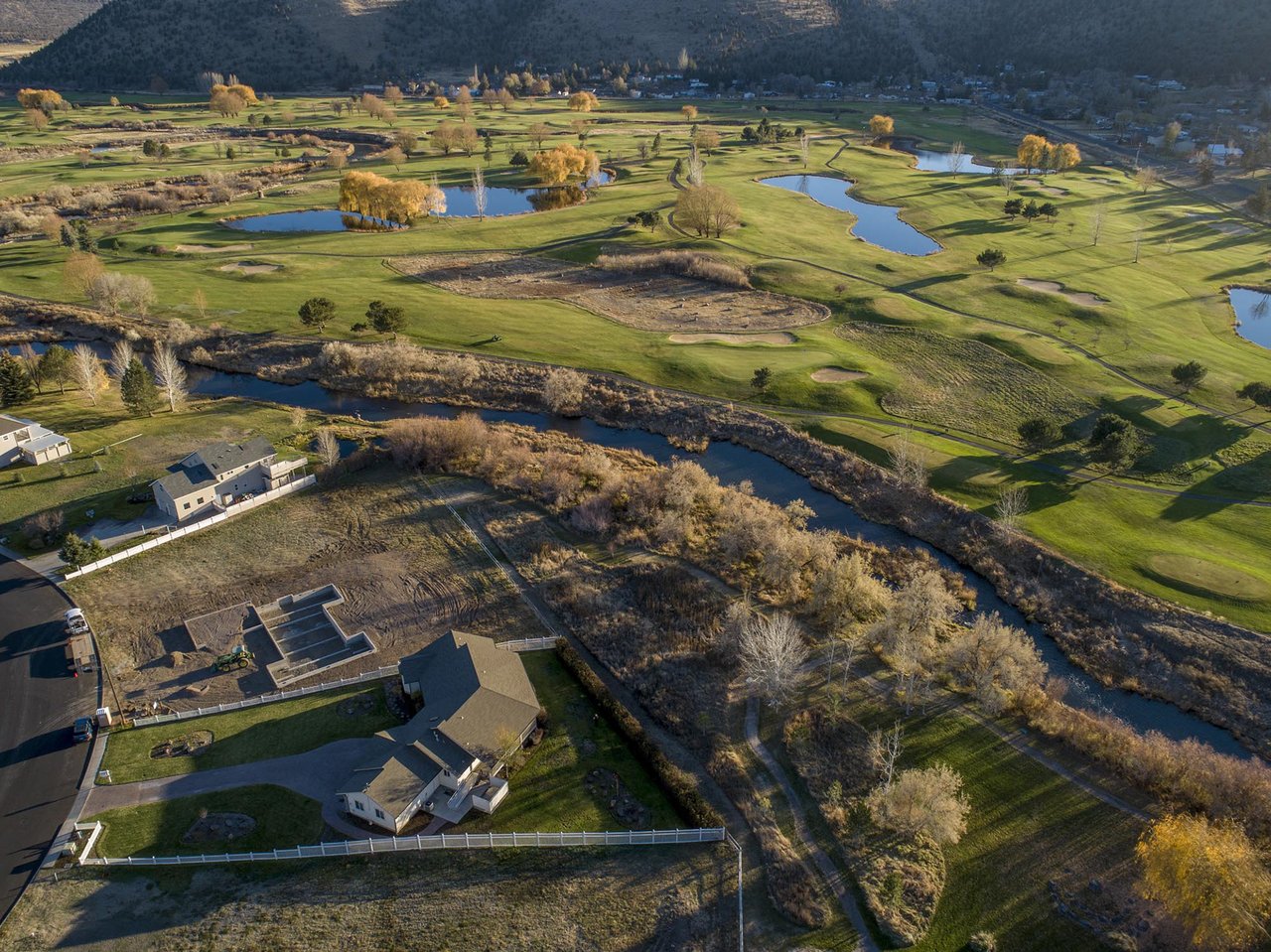
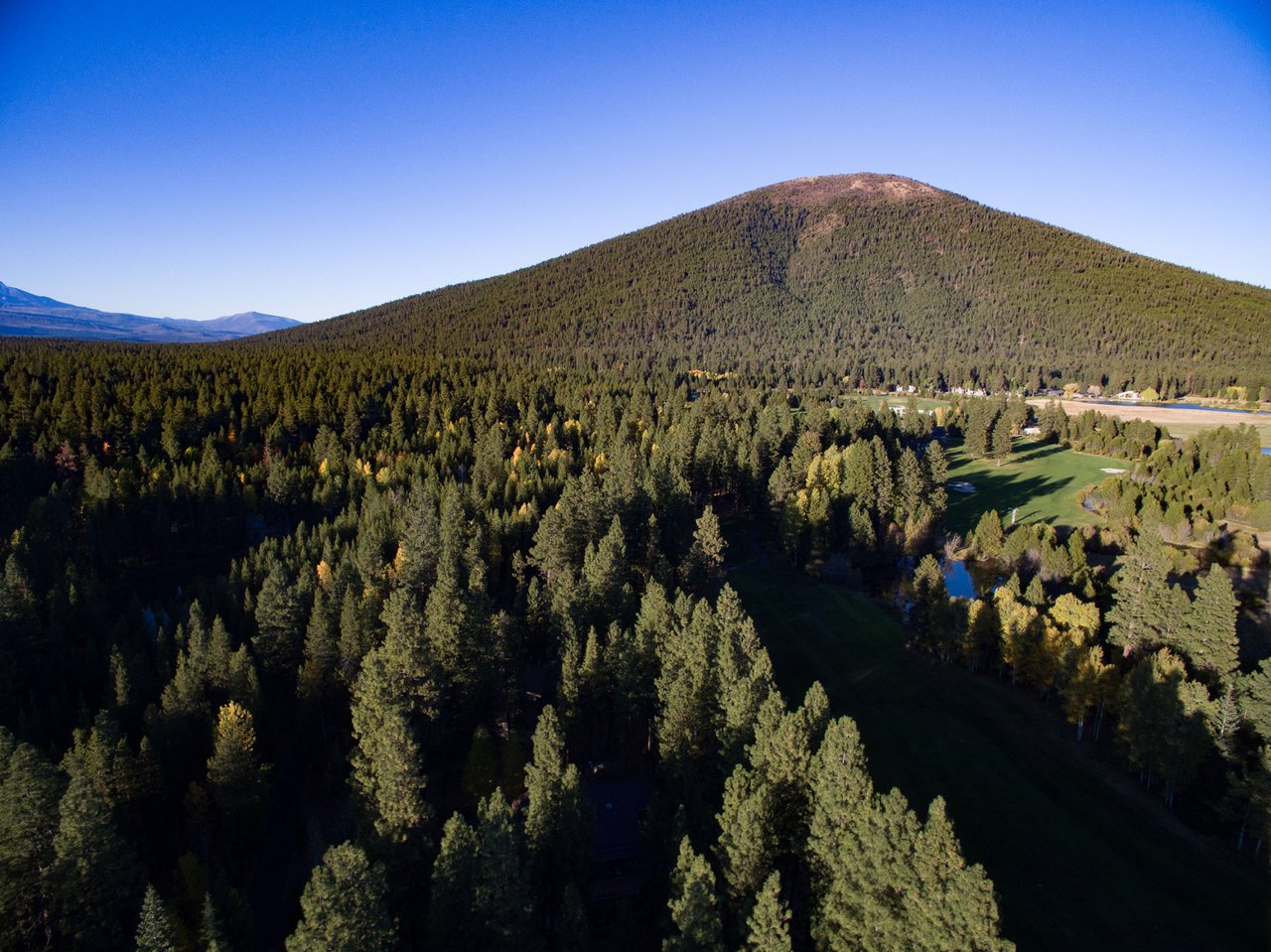
Broadly, the market divides into four sub-markets: the walkable in-town and historic district; Black Butte Ranch, the premier resort community eight miles west; established wooded subdivisions like Tollgate and Crossroads; and rural acreage stretching toward Cloverdale and Camp Sherman.
In-town Sisters trades lot size for walkability. From most of these neighborhoods you can reach Cascade Avenue shops, restaurants, and the Sisters School District campuses on foot or by bike, and all of them sit inside the city's utility service area — meaning municipal water and sewer rather than well and septic.
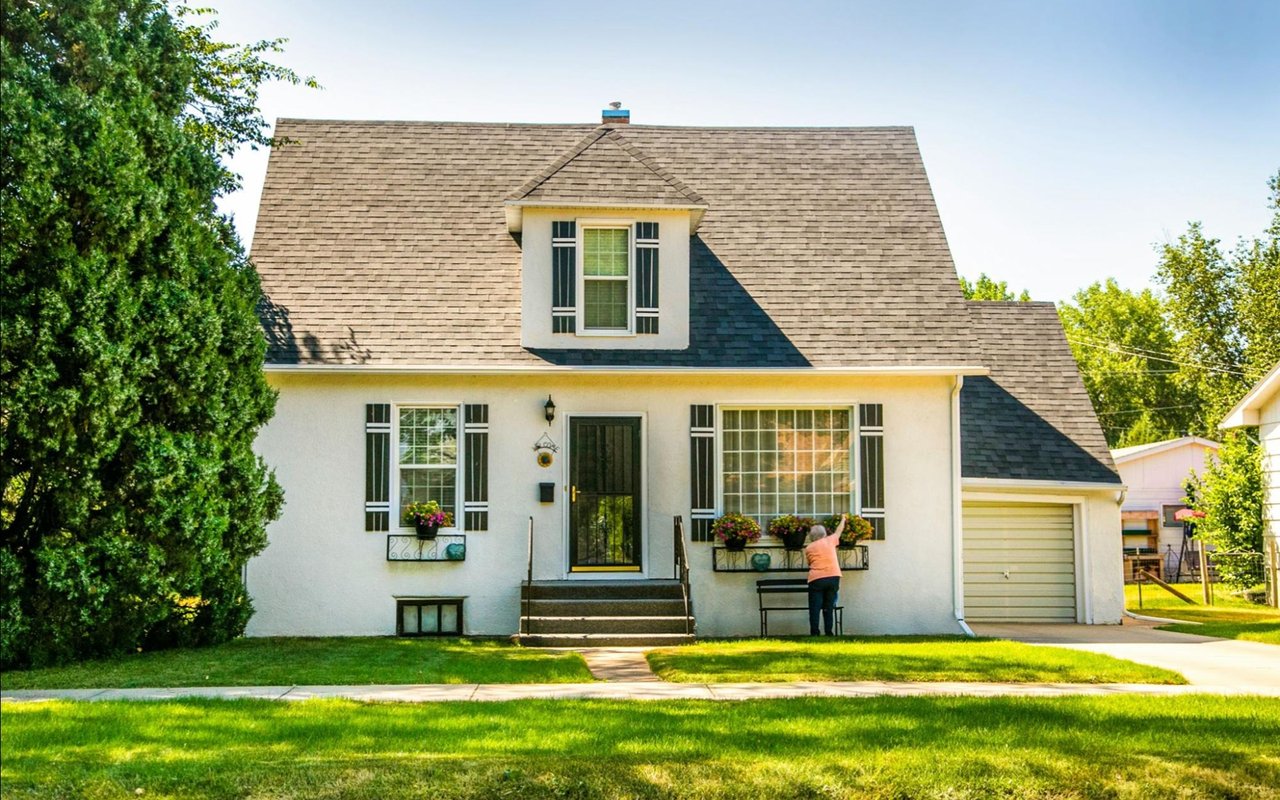
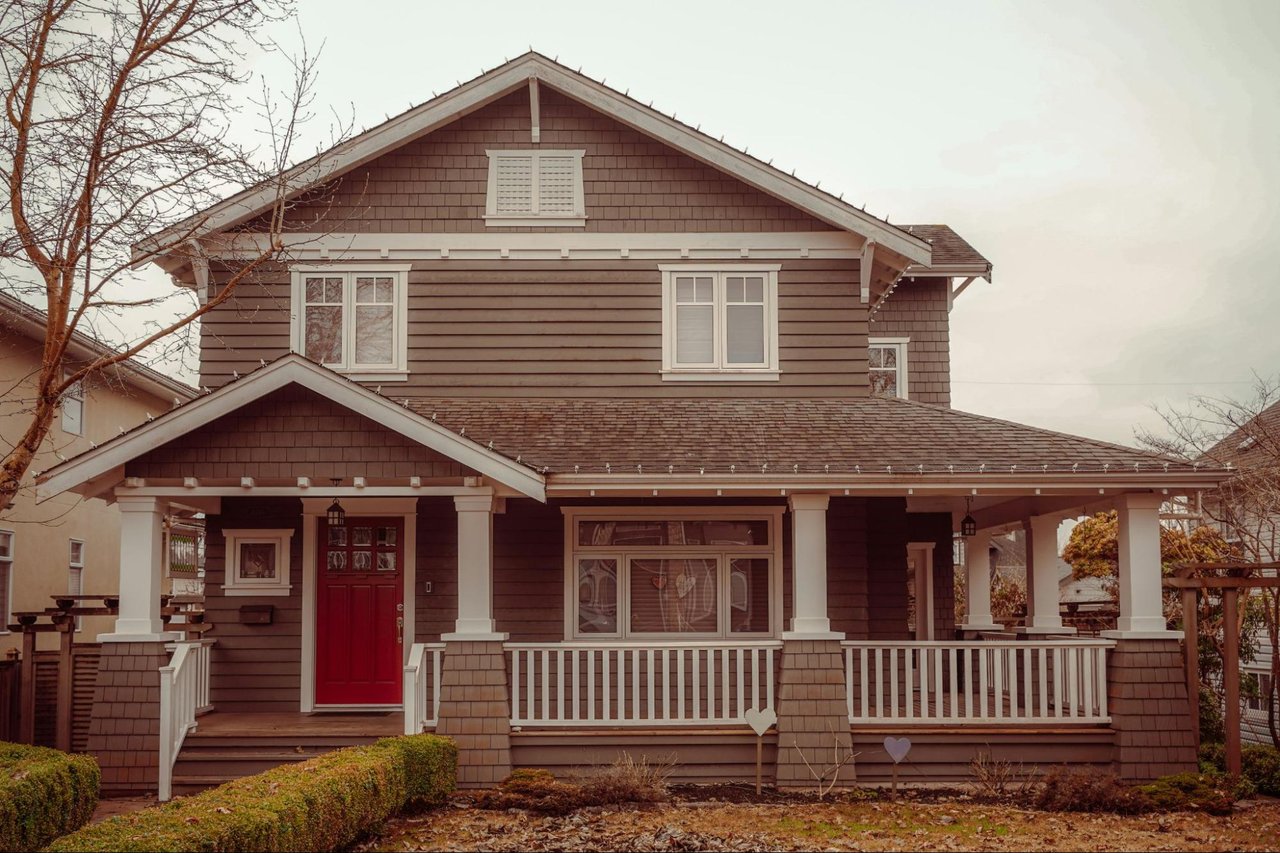
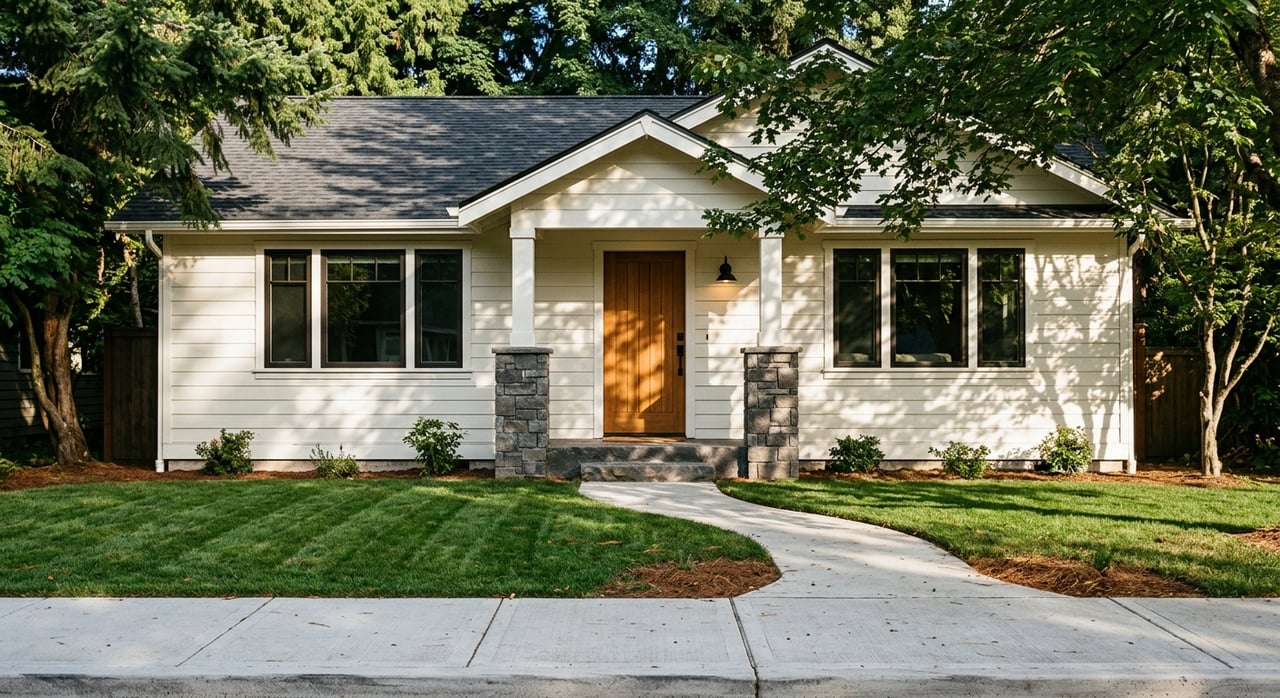
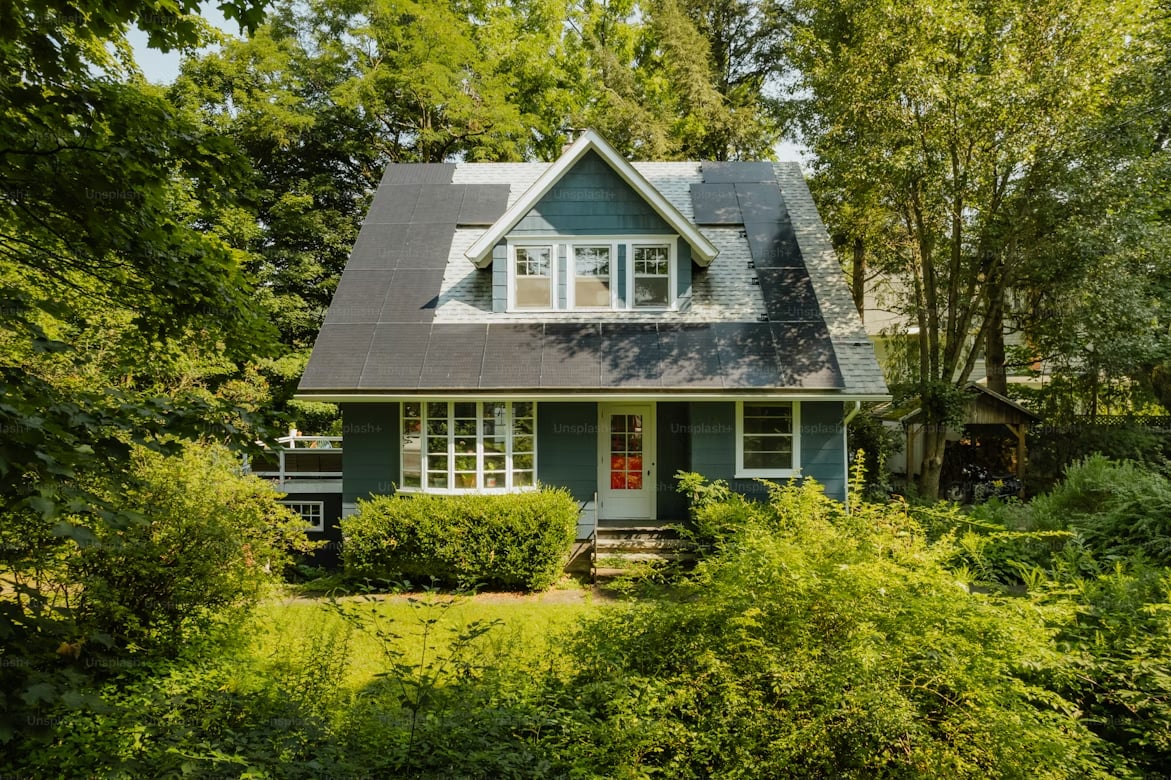
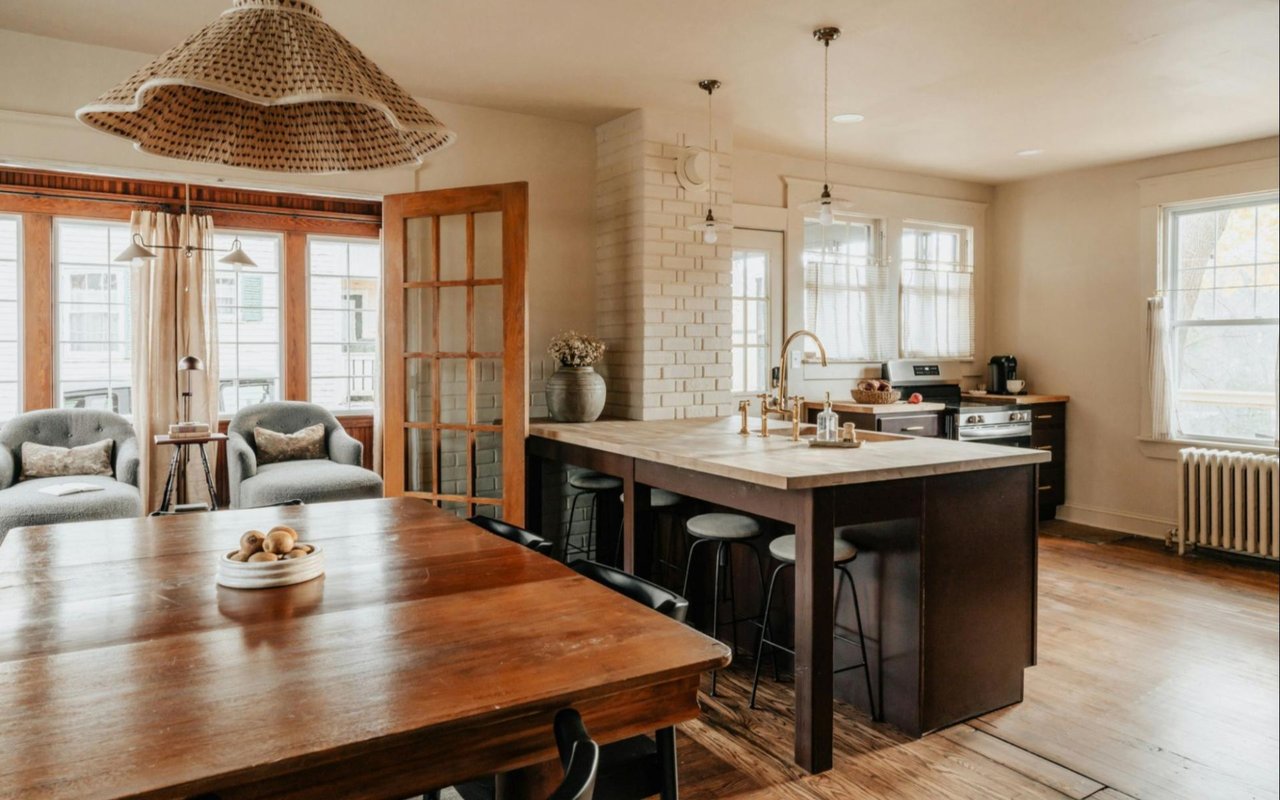
Downtown and the Historic District is where you'll find Craftsman bungalows, classic Western cottages, and the occasional mixed-use property. Lots are typically smaller, many streets carry no HOA restrictions, and pricing generally runs from the $500Ks to the mid-$800Ks. This is the right target for buyers who want to walk to coffee and live inside the town's fabric rather than adjacent to it.
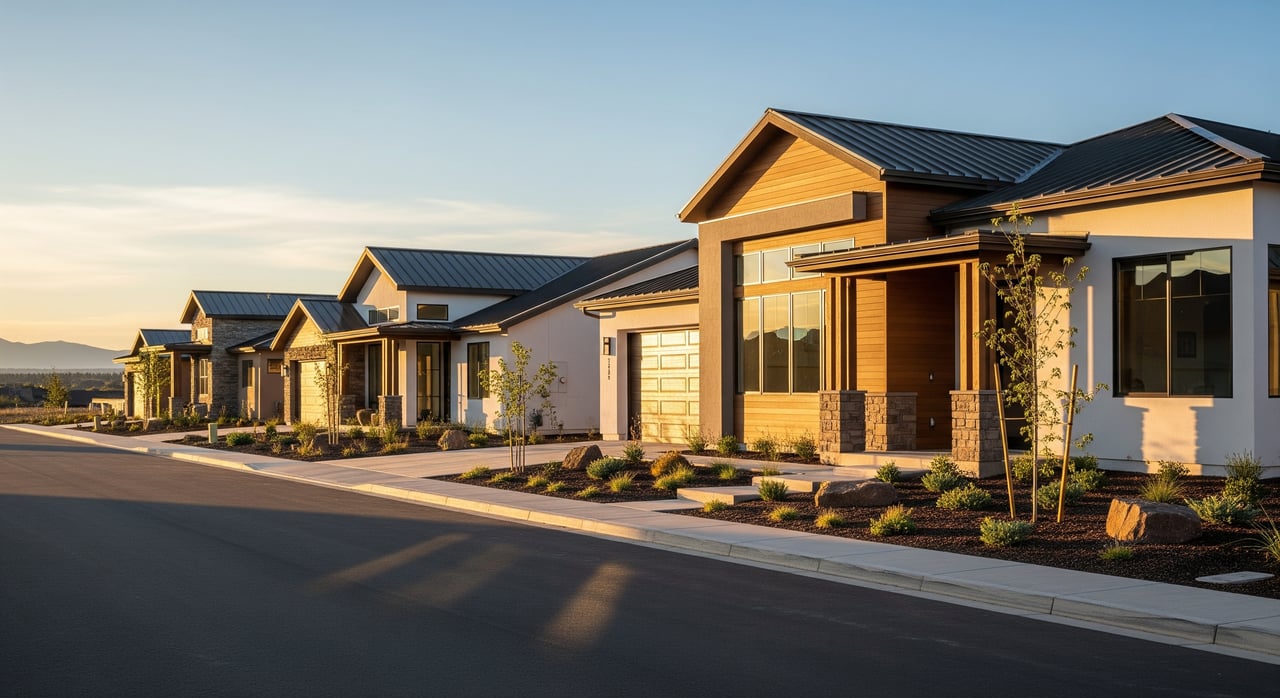
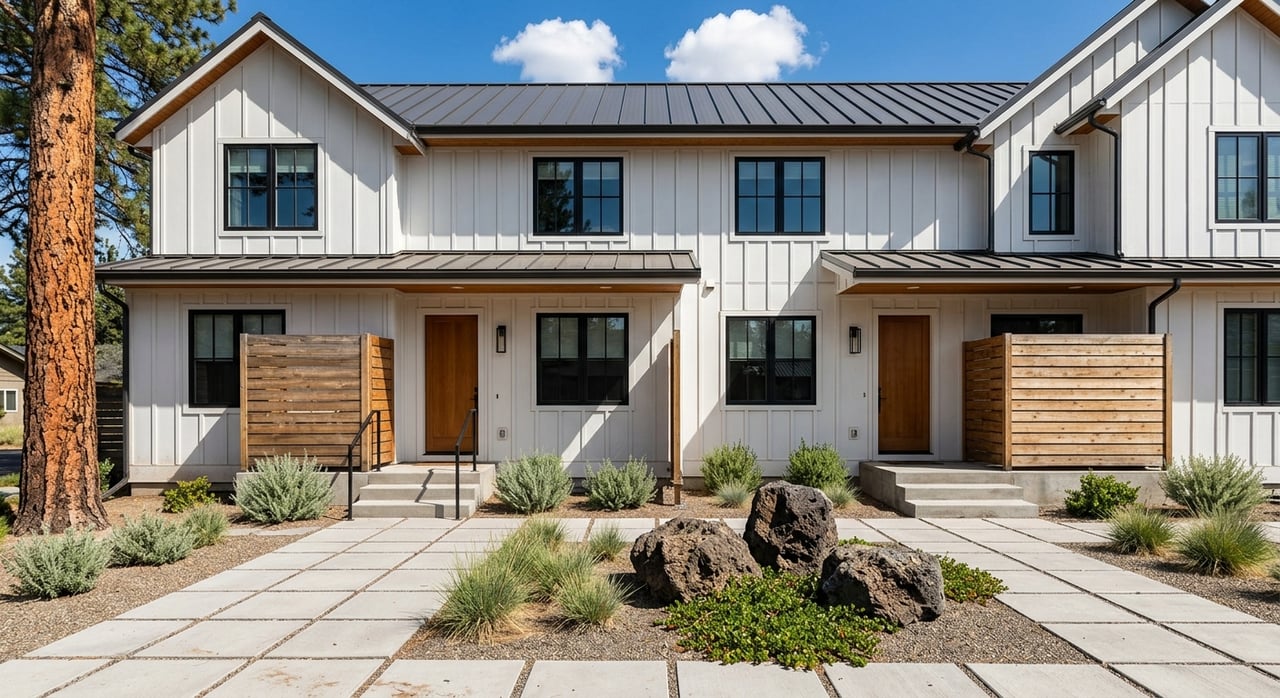
Sisters Woodlands is the modern counterpoint: a master-planned development near downtown built around high-efficiency design and preserved ponderosa pines, with both multi-family units and single-family detached homes. Expect roughly $550,000 to $900,000. It appeals strongly to buyers who want new construction efficiency without giving up walkability.
Clear Pine, on the northeast edge of town, offers contemporary Craftsman builds with paved paths, a community park, and direct access to adjacent forest trails. Pricing runs from about $700,000 into the $1.1 million range, and it tends to attract buyers who want new-build quality plus immediate trail access.
Timber Creek and Village at Cold Springs are established residential developments with mid-to-large single-family homes on standard city lots, generally $650,000 to $950,000. These are the workhorse neighborhoods for full-time families — good square footage, conventional yards, and short school commutes.
Just outside the city limits, three communities offer something in-town Sisters structurally cannot: amenity infrastructure, larger lots, and in some cases rental income potential. Each serves a distinctly different buyer.
Community | Setting & Architecture | Typical Lot | Key Amenities | Best Suited For |
|---|---|---|---|---|
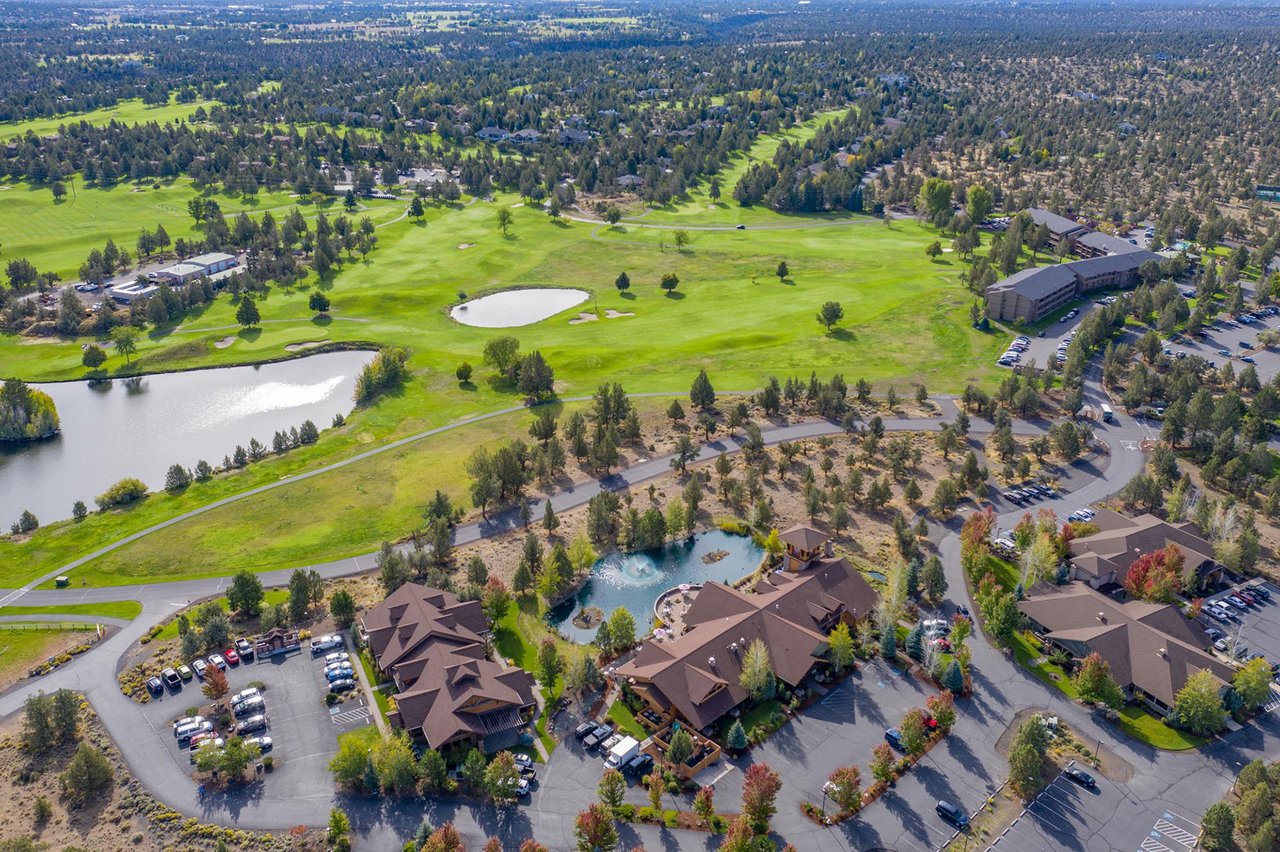
Black Butte Ranch | 1,800-acre resort 8 mi west; 1970s cedar cabins through custom modern estates | Condos to 1+ acre | Two championship golf courses, pools, tennis and pickleball, equestrian center, on-site dining | Resort living, vacation rentals, second homes |
Tollgate | 346-acre heavily wooded subdivision 2 mi west, deep in the ponderosas | ~0.5 acre average | Saltwater pool, clubhouse, tennis and pickleball, private water system, forest trail access | Full-time families wanting wooded lots and modest HOA dues |
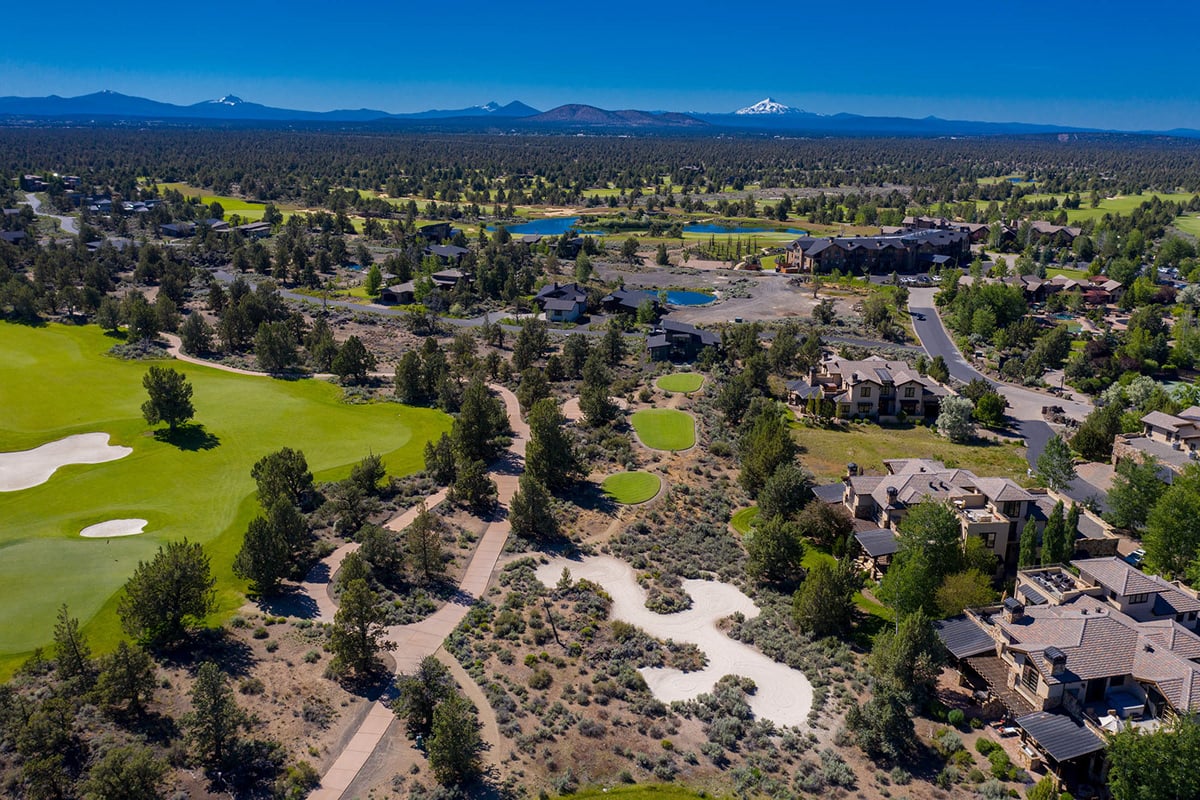
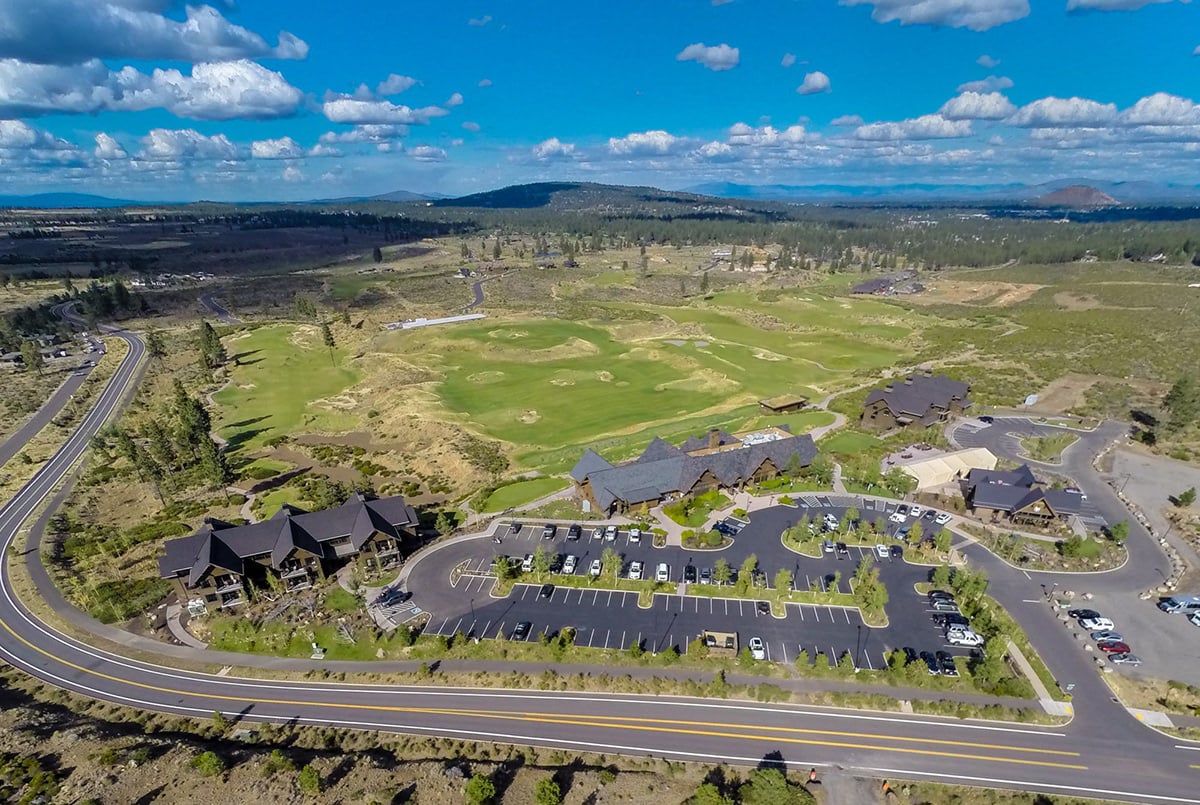
Aspen Lakes | Gated golf community 4 mi east with sweeping Three Sisters views | 0.5 to 2+ acres | 18-hole championship course, clubhouse dining, pool, sports courts | Luxury buyers, custom builds, golf-focused households |
Black Butte Ranch is the most nationally recognized of the three and the most complex to underwrite. Its inventory spans genuine 1970s A-frame cabins to multi-million-dollar custom homes, and rental performance varies dramatically by location within the Ranch, unit type, and management arrangement. Buyers evaluating it as an investment should be looking at actual rental histories, not projections.
Tollgate is the practical full-time choice. Half-acre lots under mature pine canopy, a private water system rather than individual wells, and a two-mile drive to downtown make it a favorite of families who want space and privacy without committing to rural infrastructure.
Aspen Lakes is where most of the area's high-end custom building happens. The east-side position is the point: unobstructed views back toward the Cascades, which is a materially different visual experience from being inside the forest looking up.
Outside the city limits, parcels range from two-acre wooded lots to forty-plus-acre working ranches toward Cloverdale and Camp Sherman. These properties offer the most land and the most privacy in Sisters Country, and they come with infrastructure responsibilities that in-town buyers never encounter. Understanding them before writing an offer is the difference between a smooth close and an expensive surprise.
Private wells. Oregon's Domestic Well Testing Act requires sellers to test well water for arsenic, nitrate, and total coliform bacteria once an offer is accepted. Standard residential wells are typically classified as exempt groundwater uses, allowing up to 15,000 gallons per day for domestic purposes and irrigation of up to half an acre of lawn or garden. That half-acre ceiling is the detail buyers most often miss — a domestic well does not legally support pasture or crop irrigation.
Water rights for pasture and agriculture. Larger farm or ranch properties need formal surface water rights, generally through a local district such as Squaw Creek Irrigation District, to support pastures or crops. Water rights are attached to specific acreage and are not automatically transferable or expandable. If a listing advertises irrigated pasture, verify the right, the acreage it covers, and its delivery season in writing.
Septic systems. On-site wastewater treatment falls under Deschutes County permitting. Sellers should be able to produce the existing permit file demonstrating that the installed system matches the home's bedroom count — a mismatch can block a future addition or complicate resale. Oregon DEQ also requires a minimum 100-foot separation between a private well and a septic drain field, and 50 feet from the septic tank. On smaller rural parcels, those setbacks can meaningfully constrain where a shop, ADU, or addition can go.
Architecture in Sisters is unusually legible because part of it is legally mandated. In 1969, the City of Sisters adopted an official 1880s Western Frontier architectural design theme, and it still governs how the town looks.
Western Frontier (in-town). Commercial properties and many downtown residences are required to incorporate false-front facades, board-and-batten siding, decorative trim, timber posts, and earthy paint palettes. For buyers, this matters in two directions: it protects the town's visual character and your property's context, and it constrains what you can do with exterior renovations or new builds in the affected zones. Confirm which design standards apply to a specific address before planning any facade work.
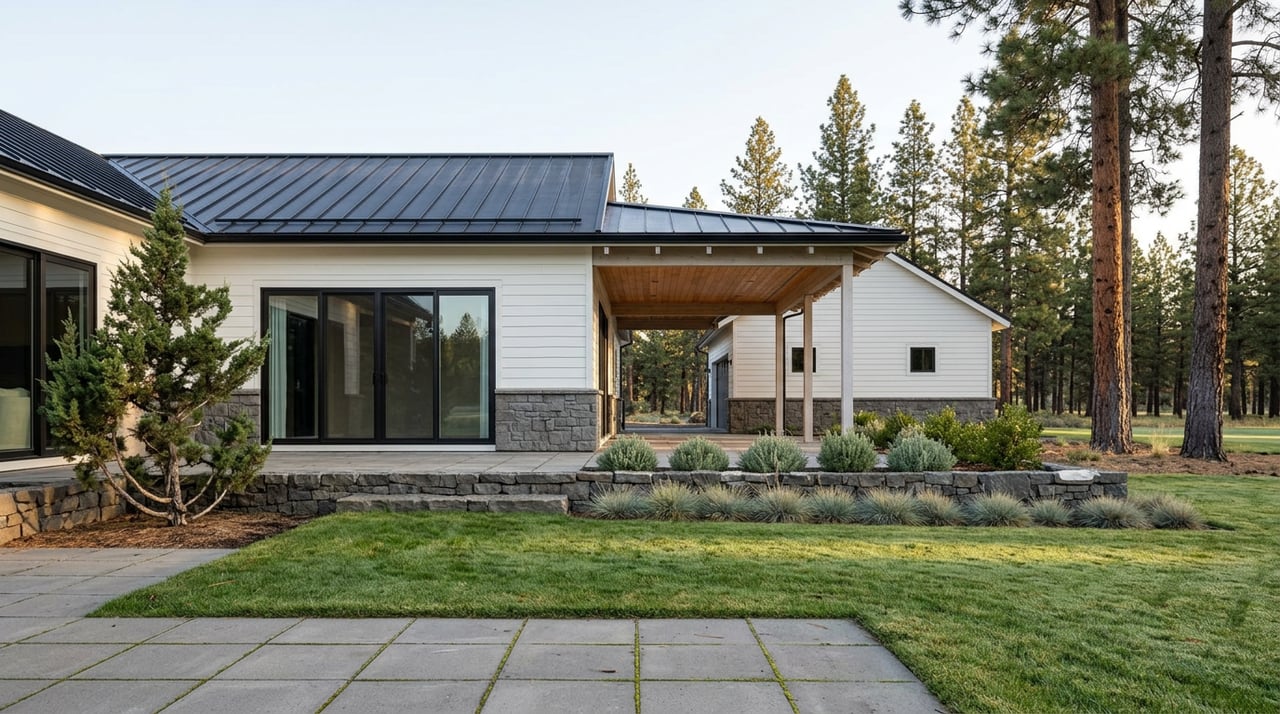
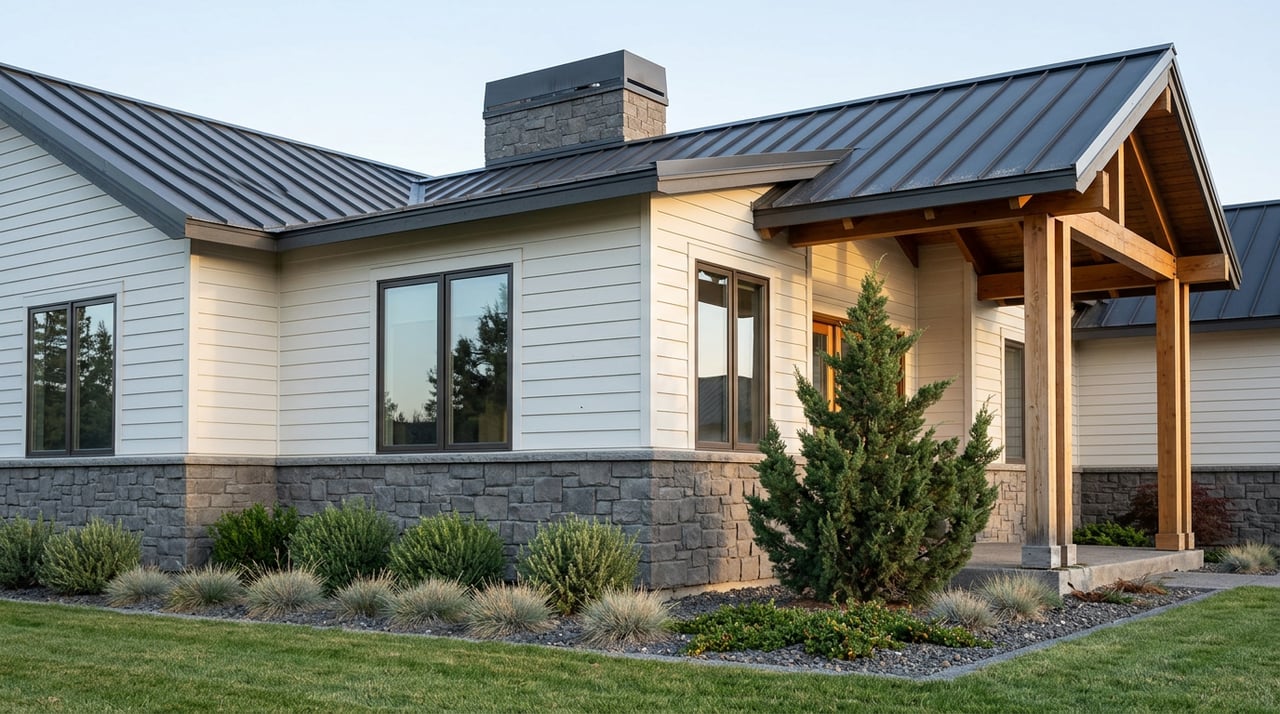
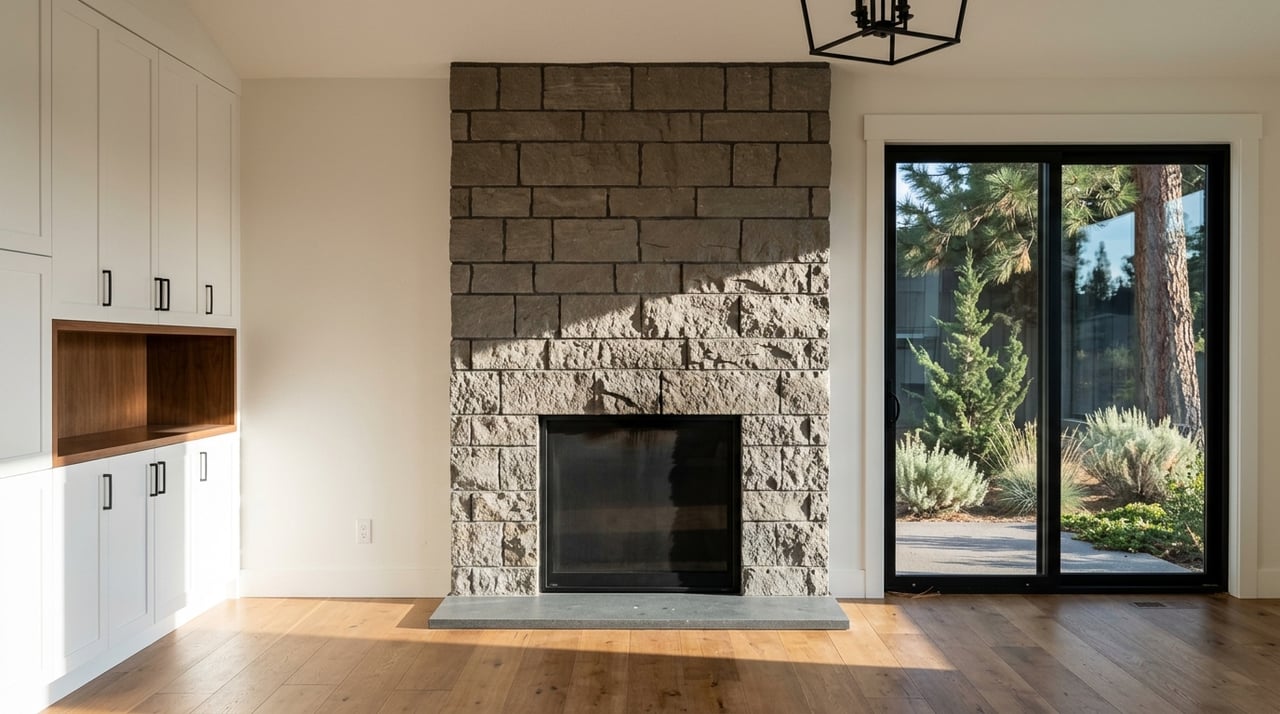
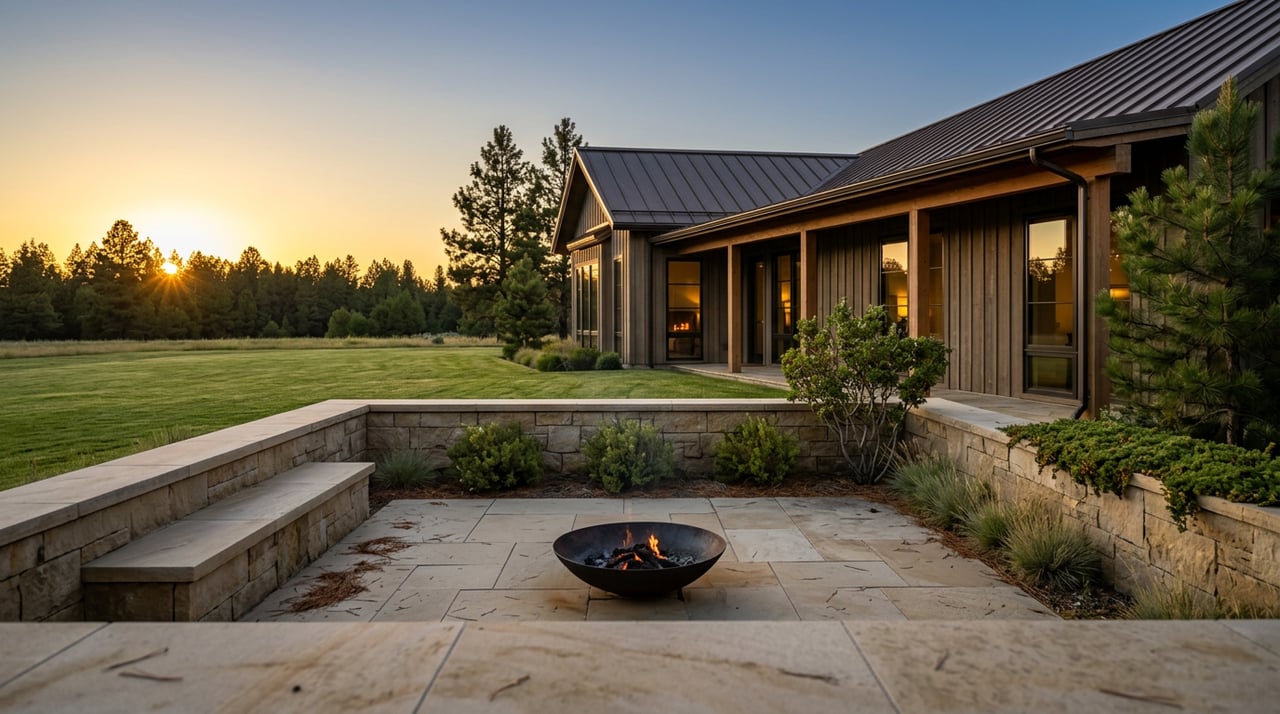
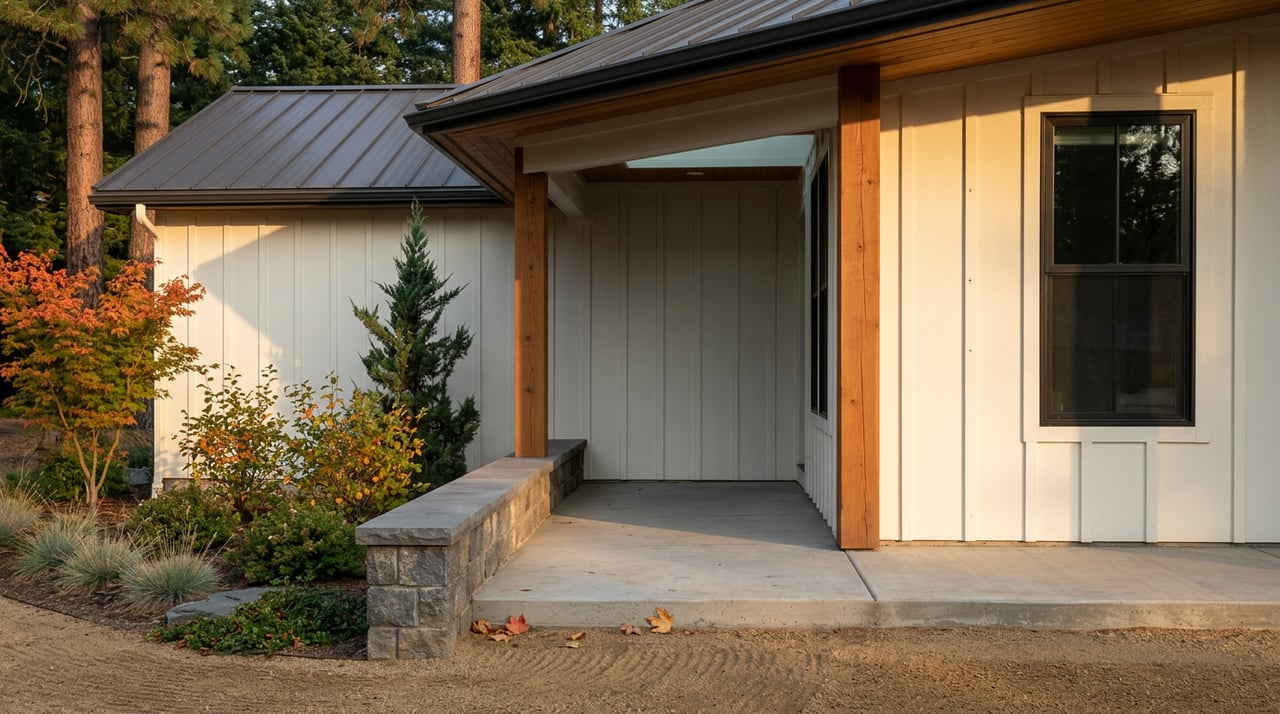
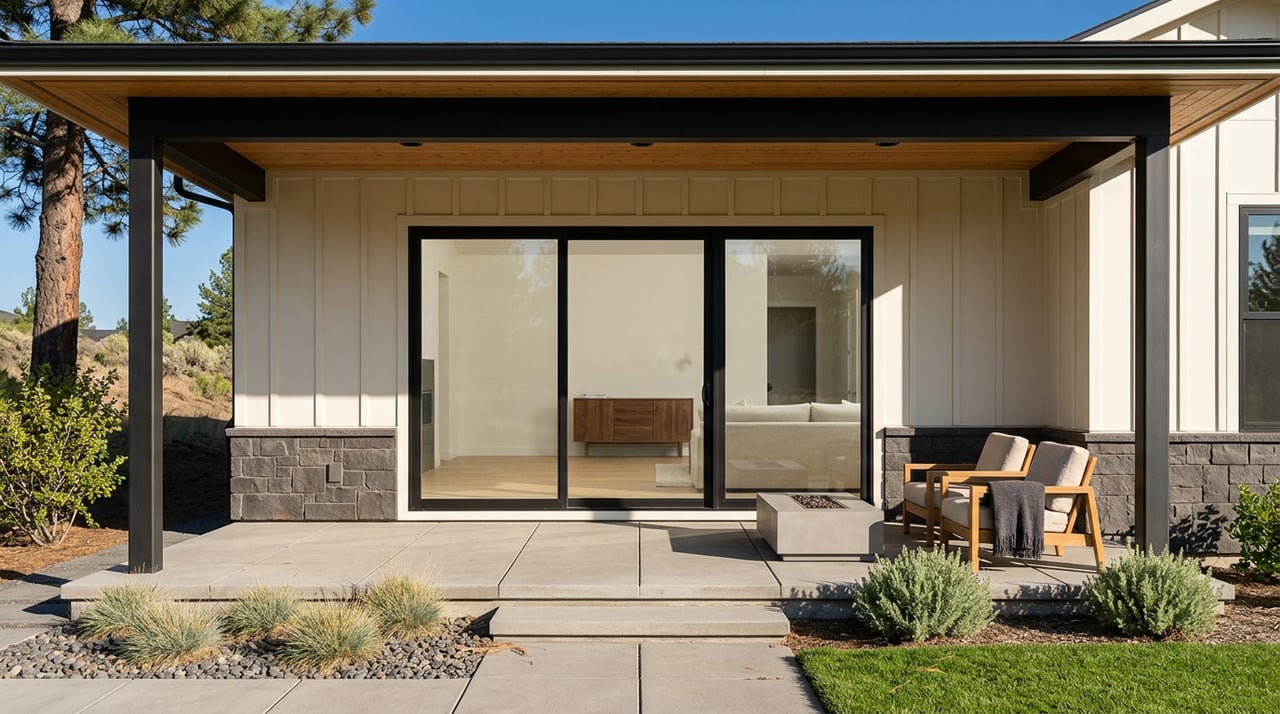
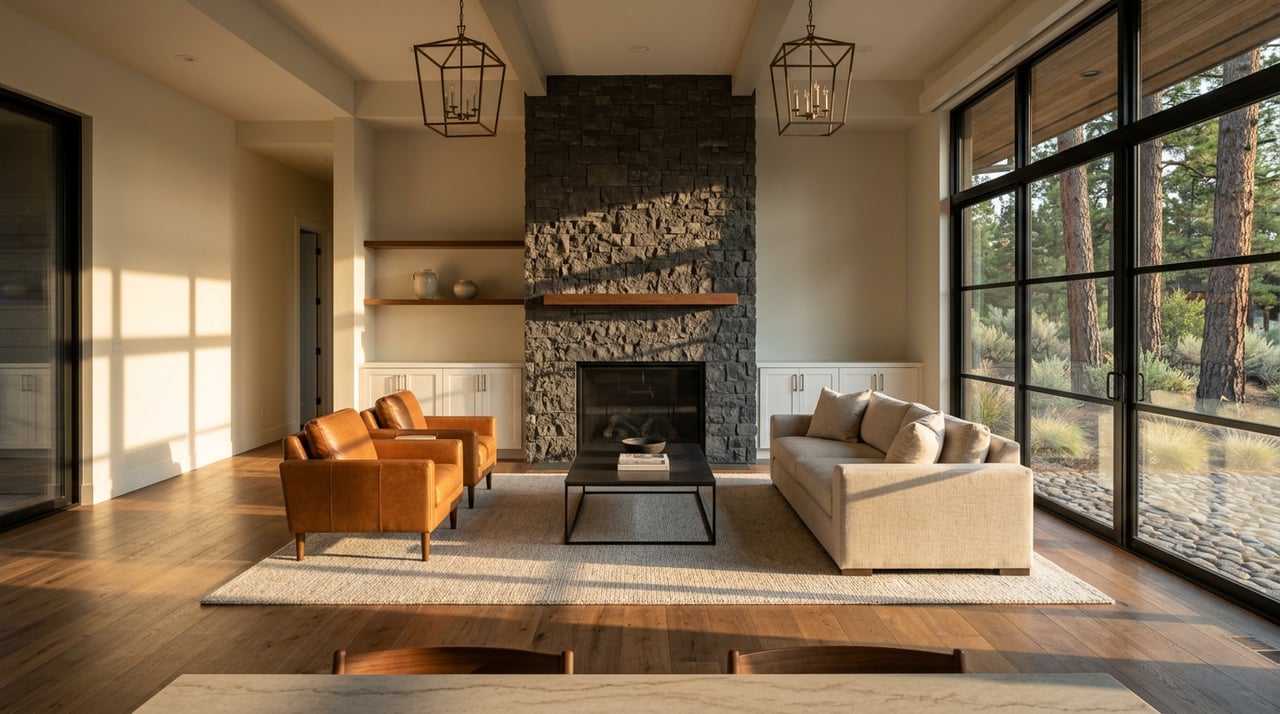
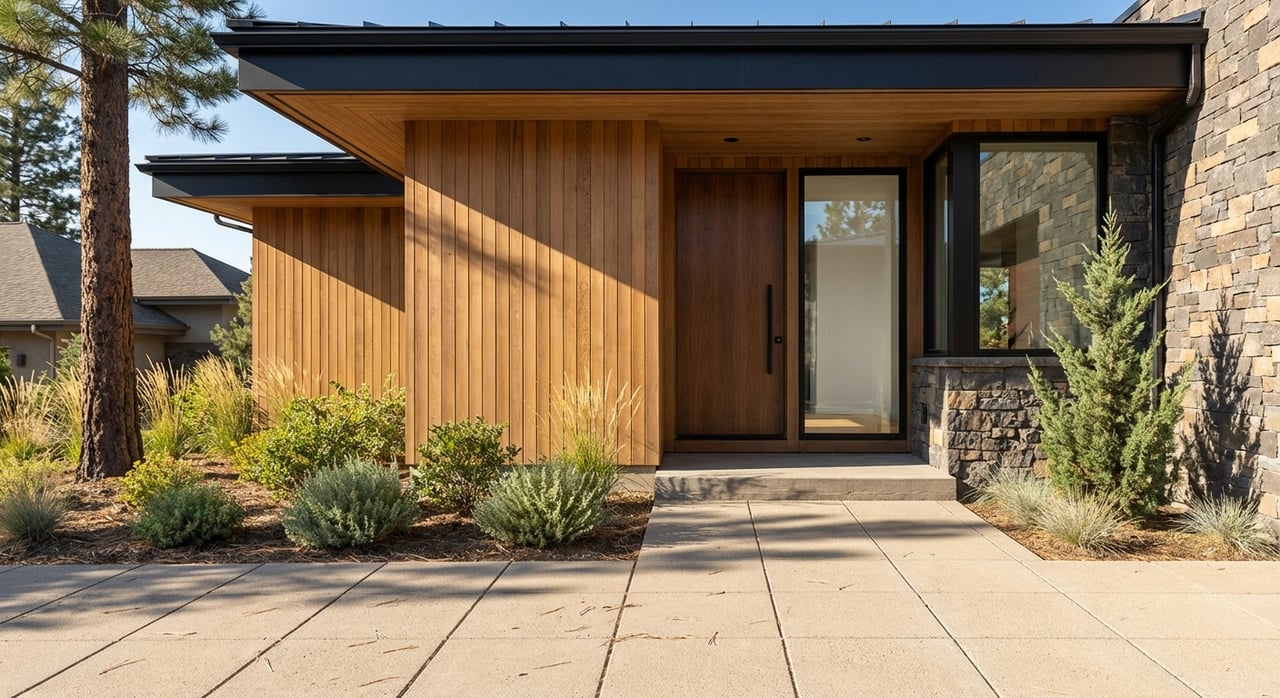
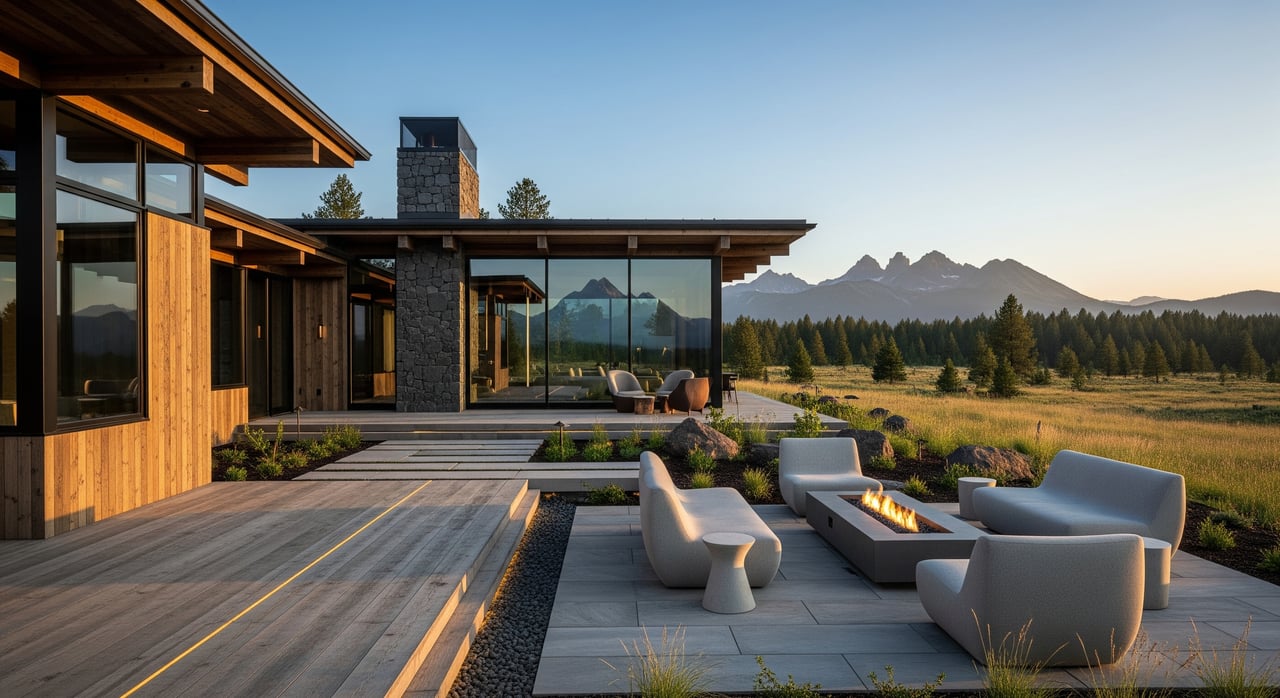
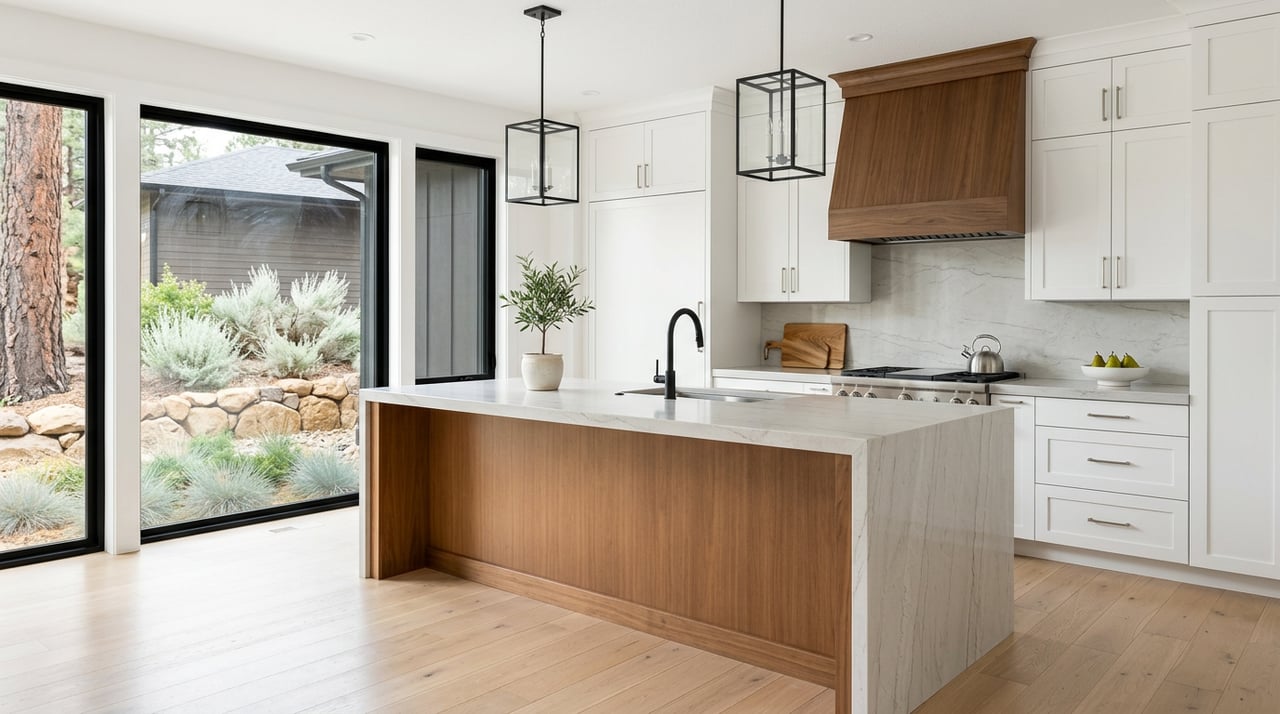
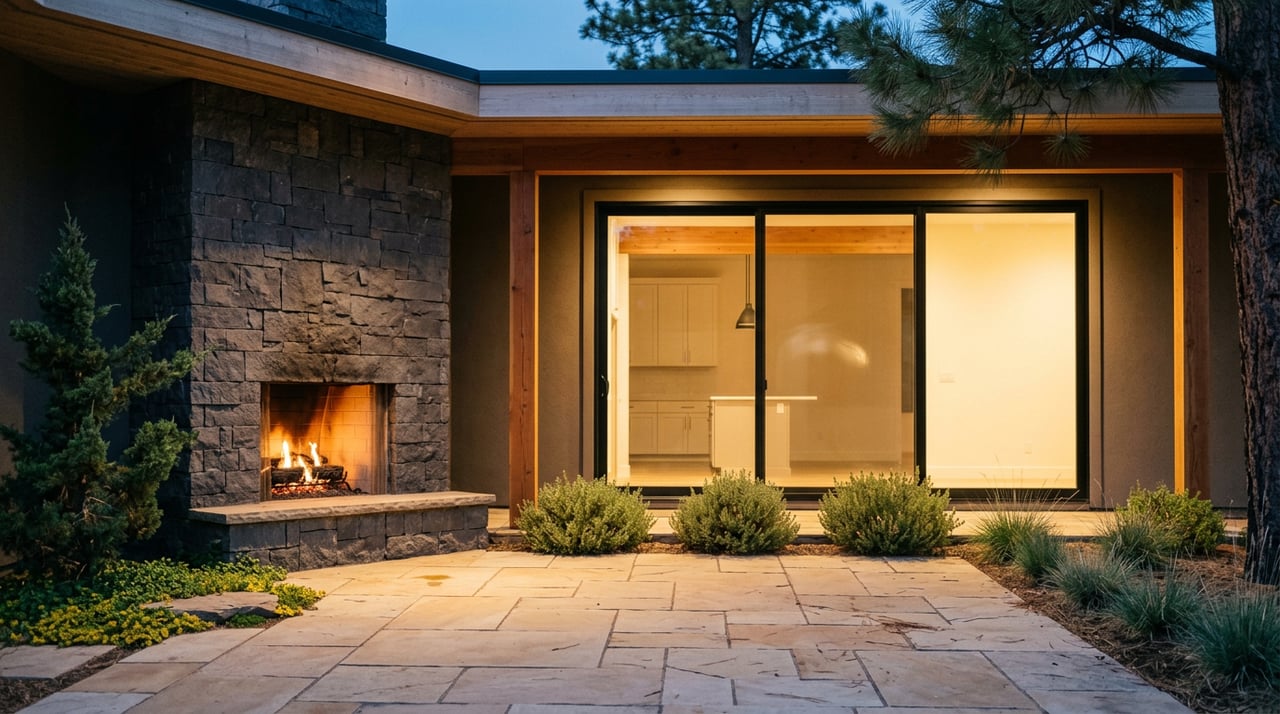
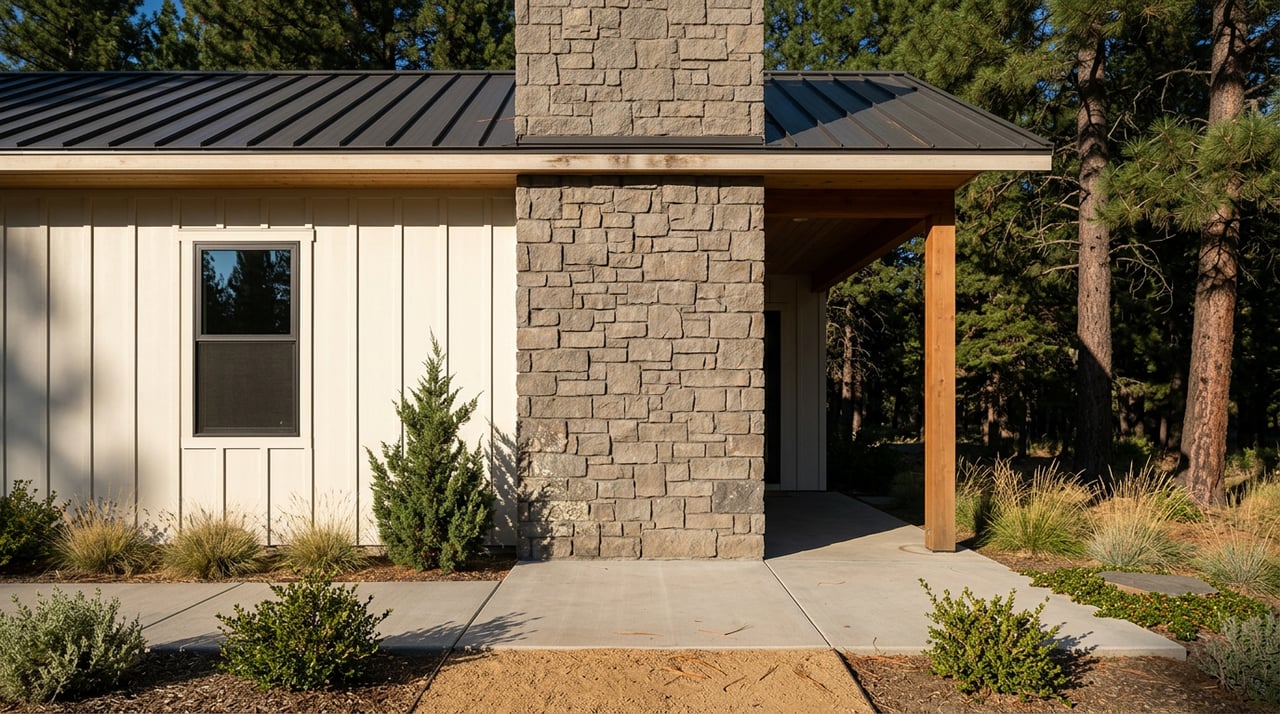
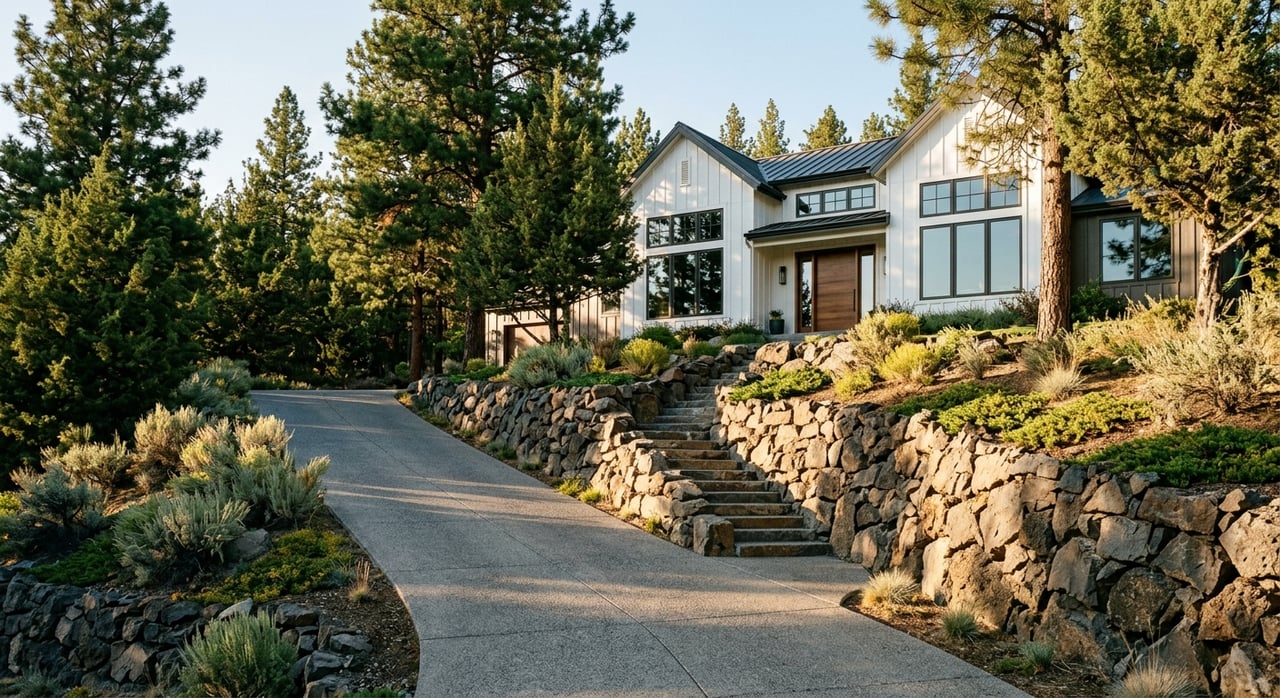
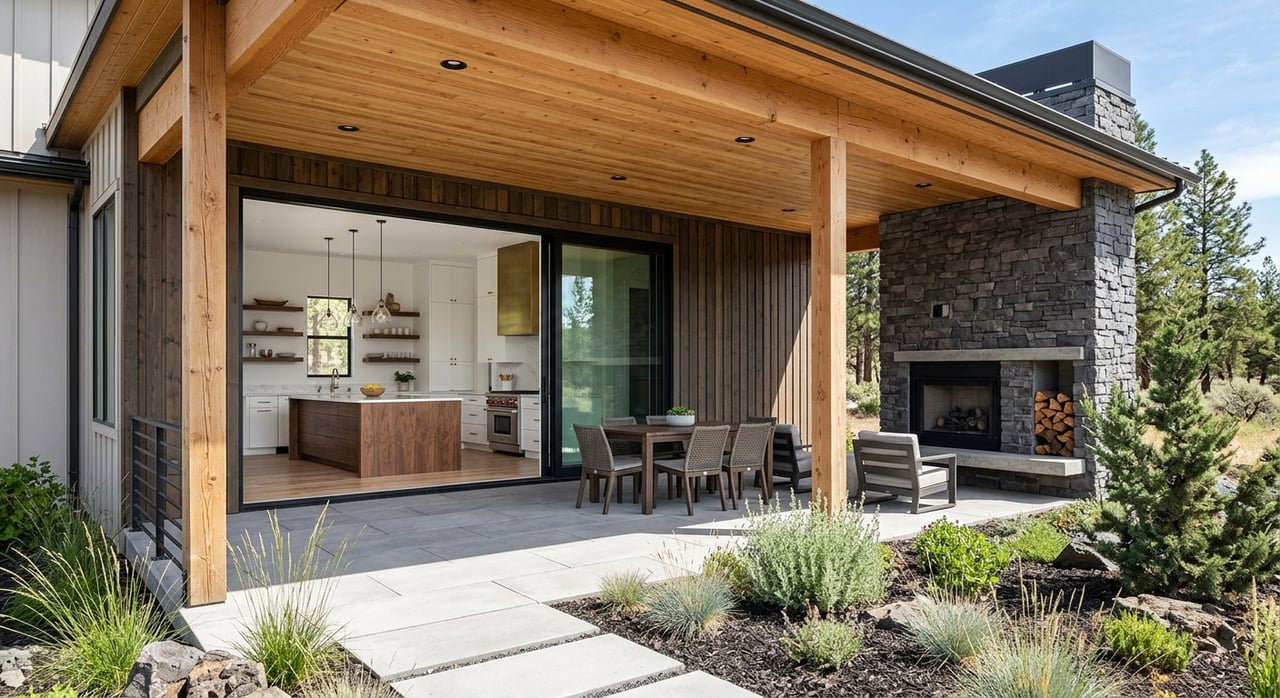
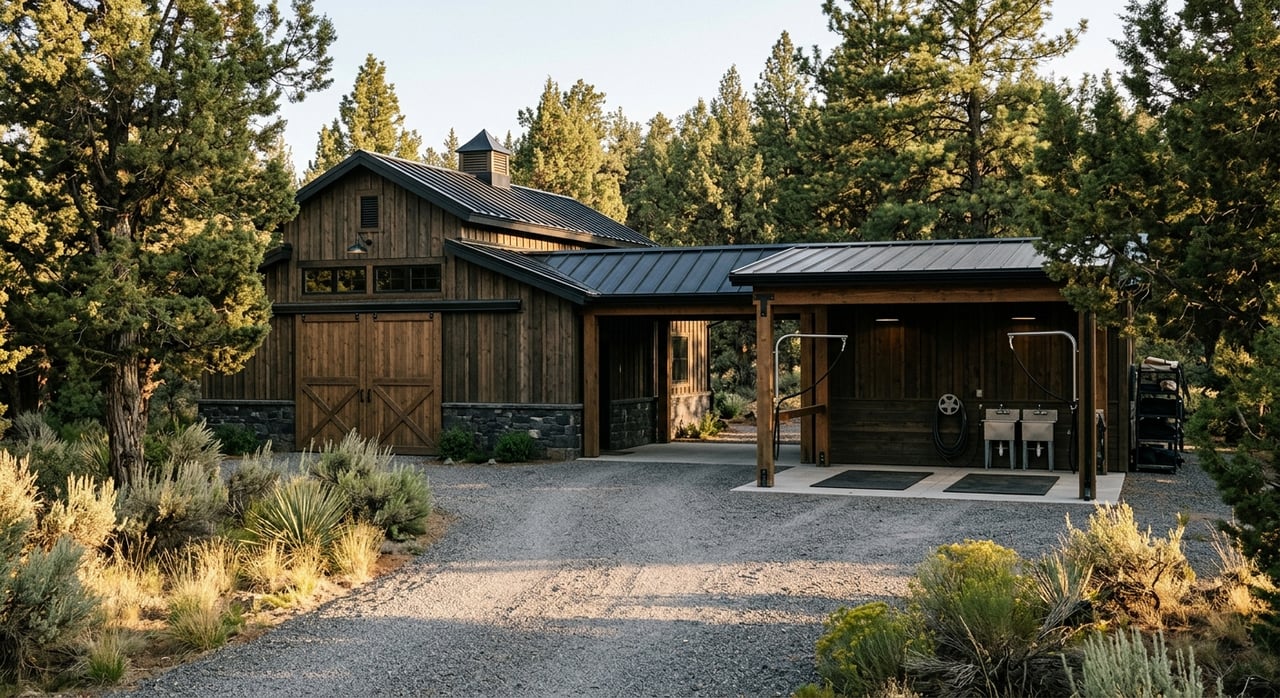
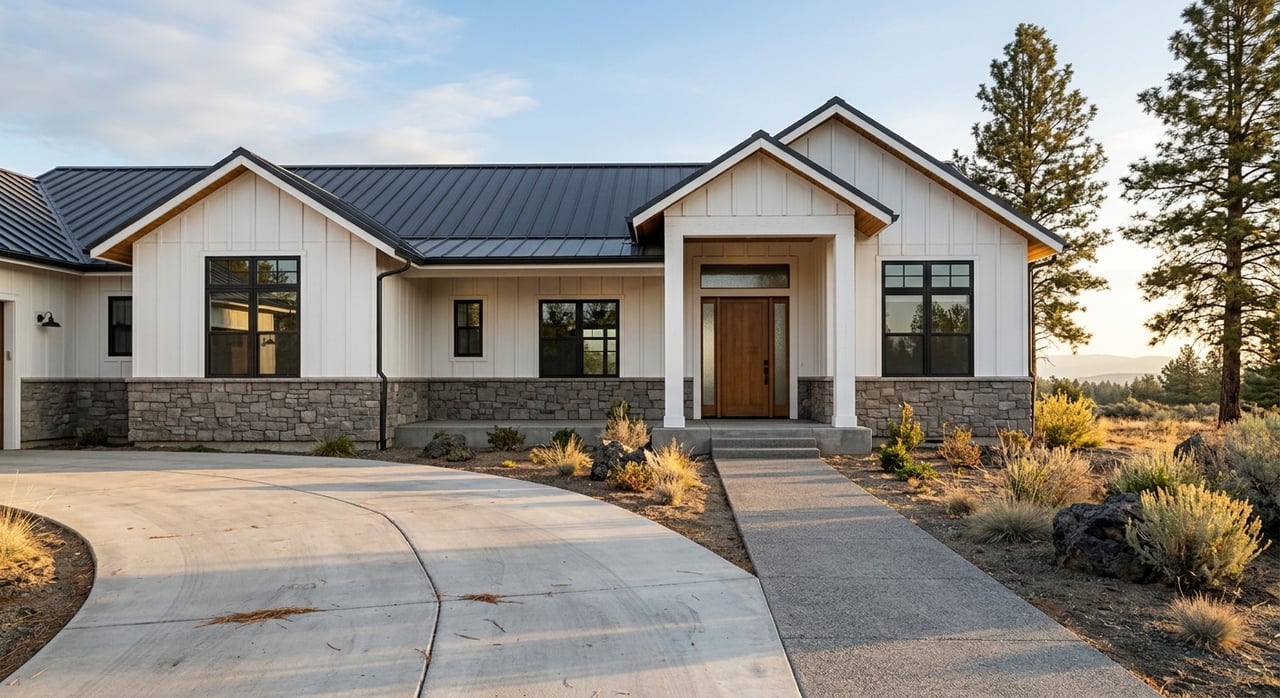
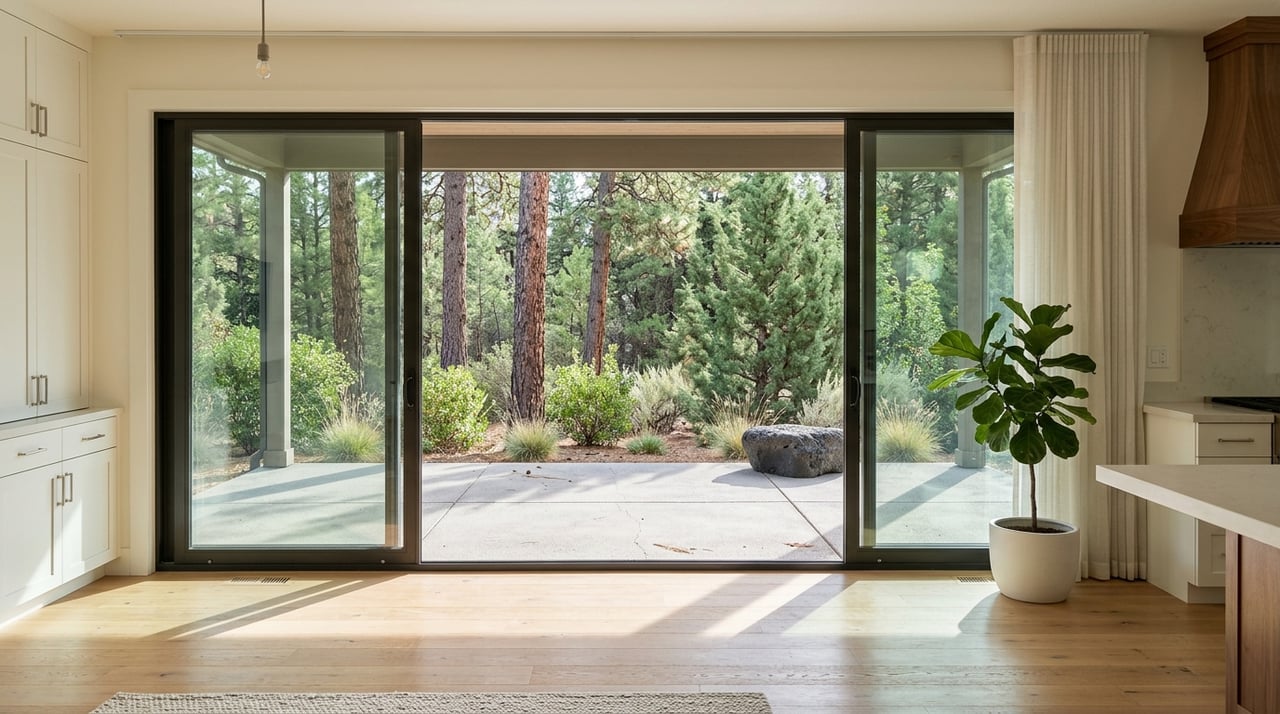
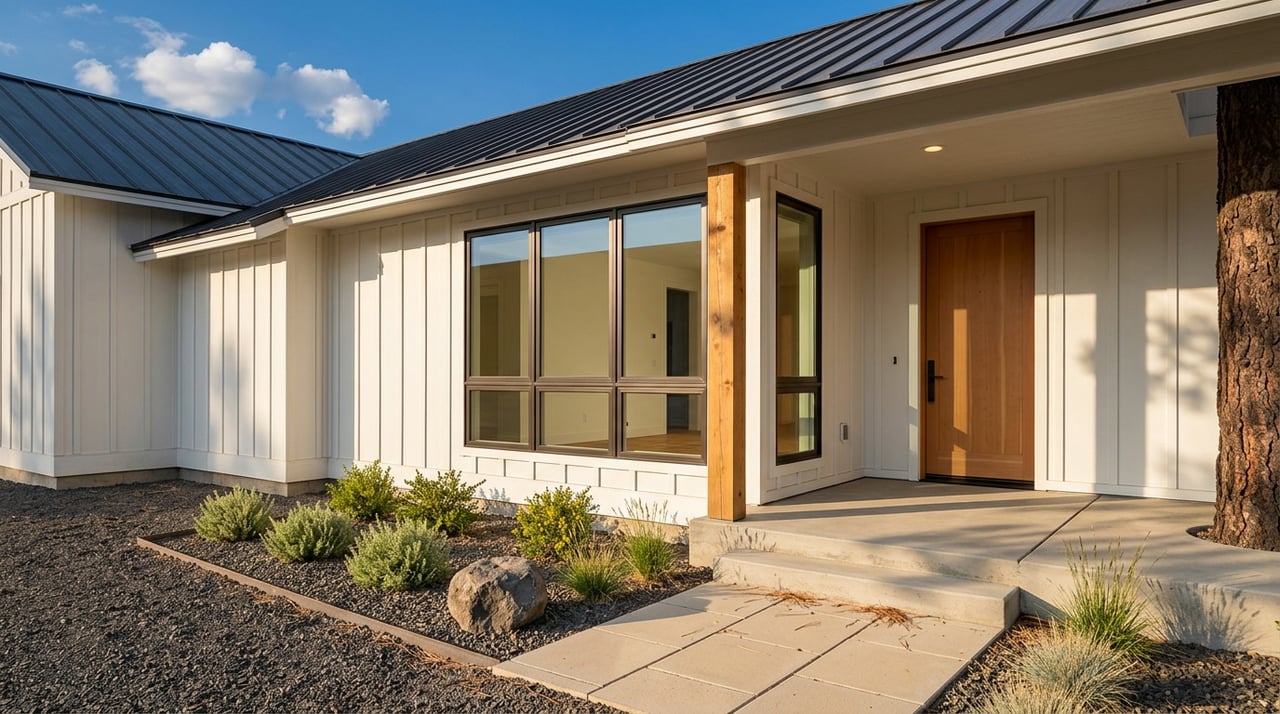
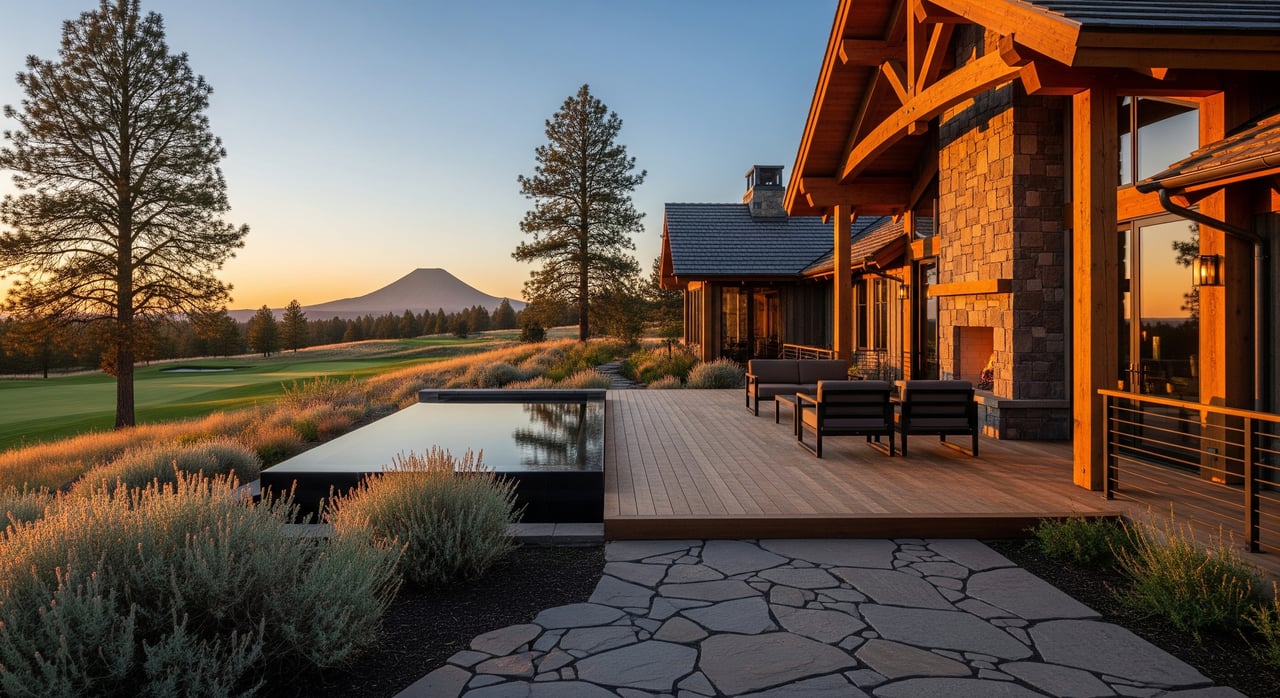
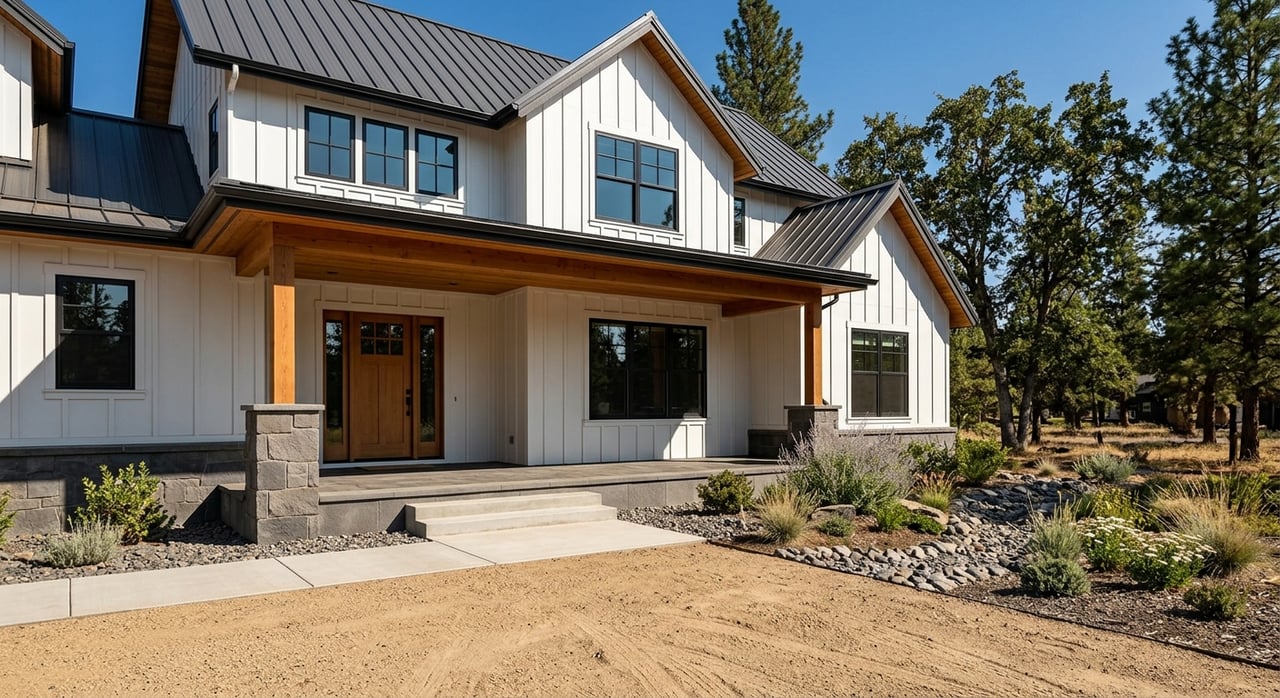
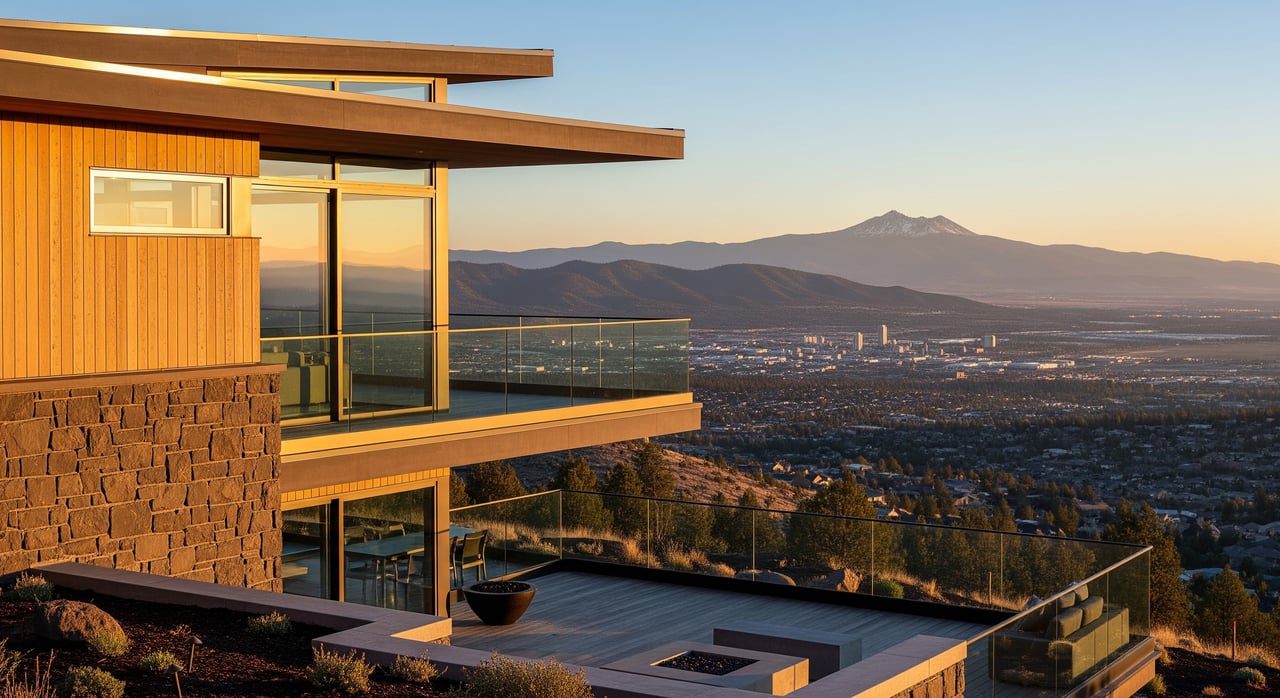
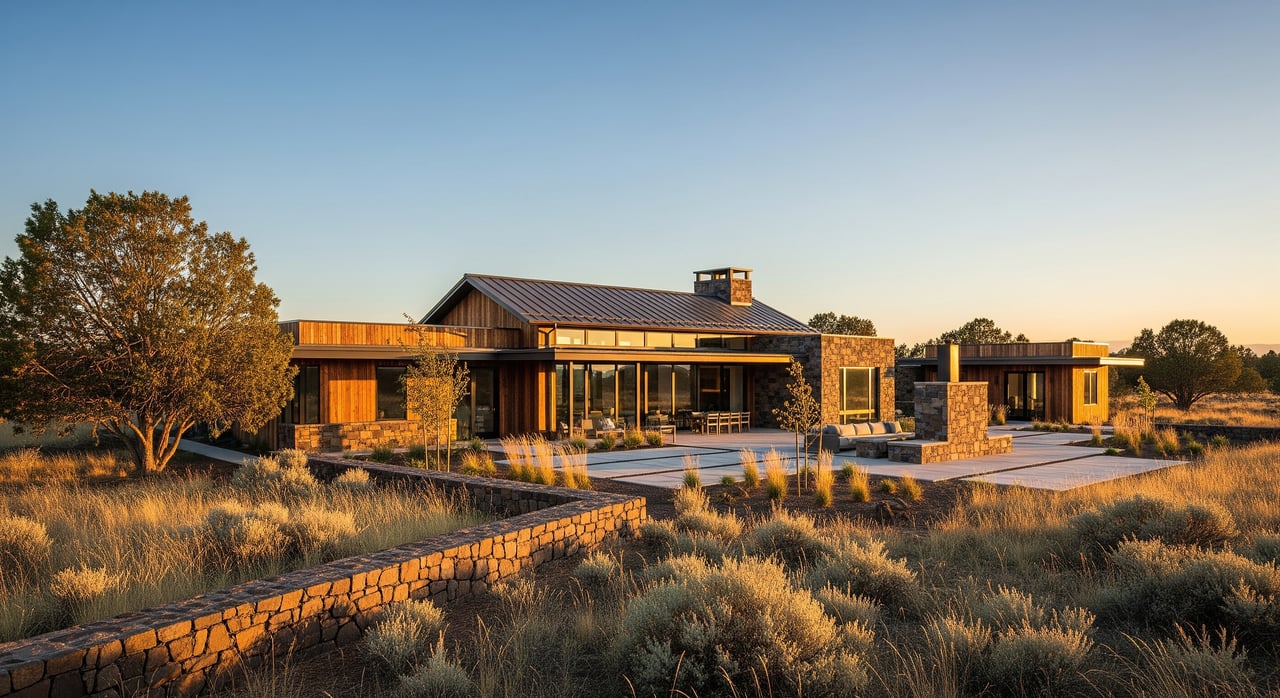
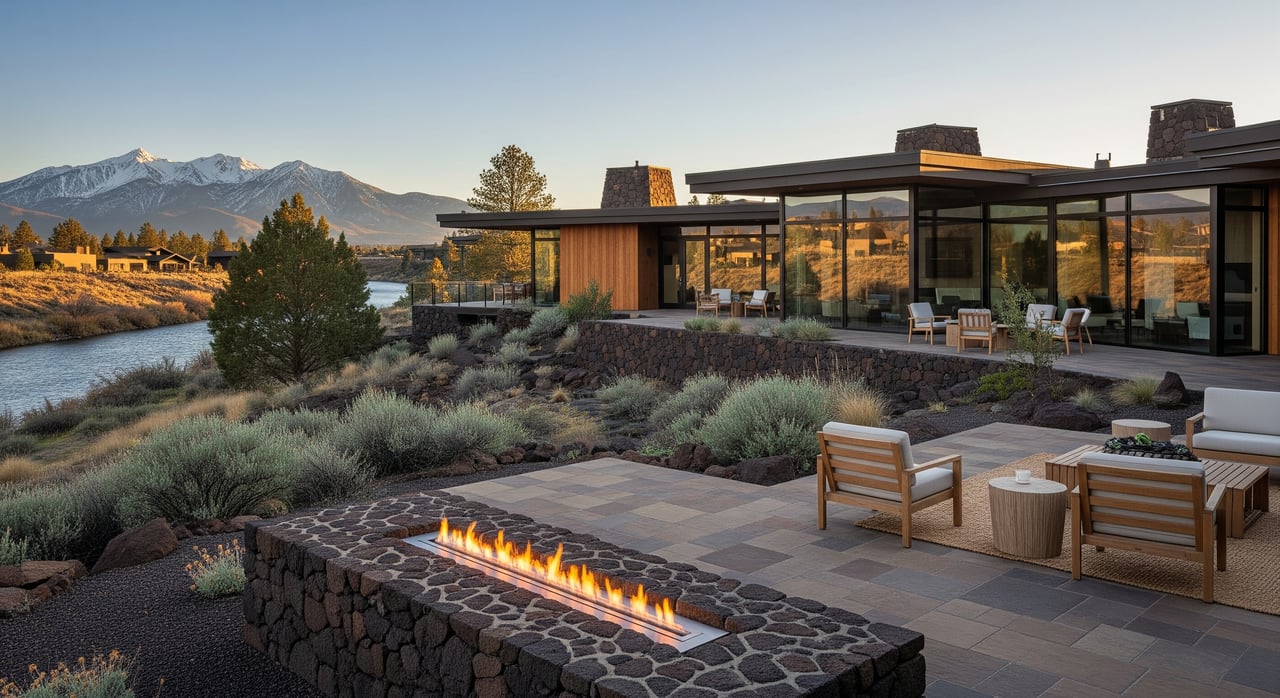
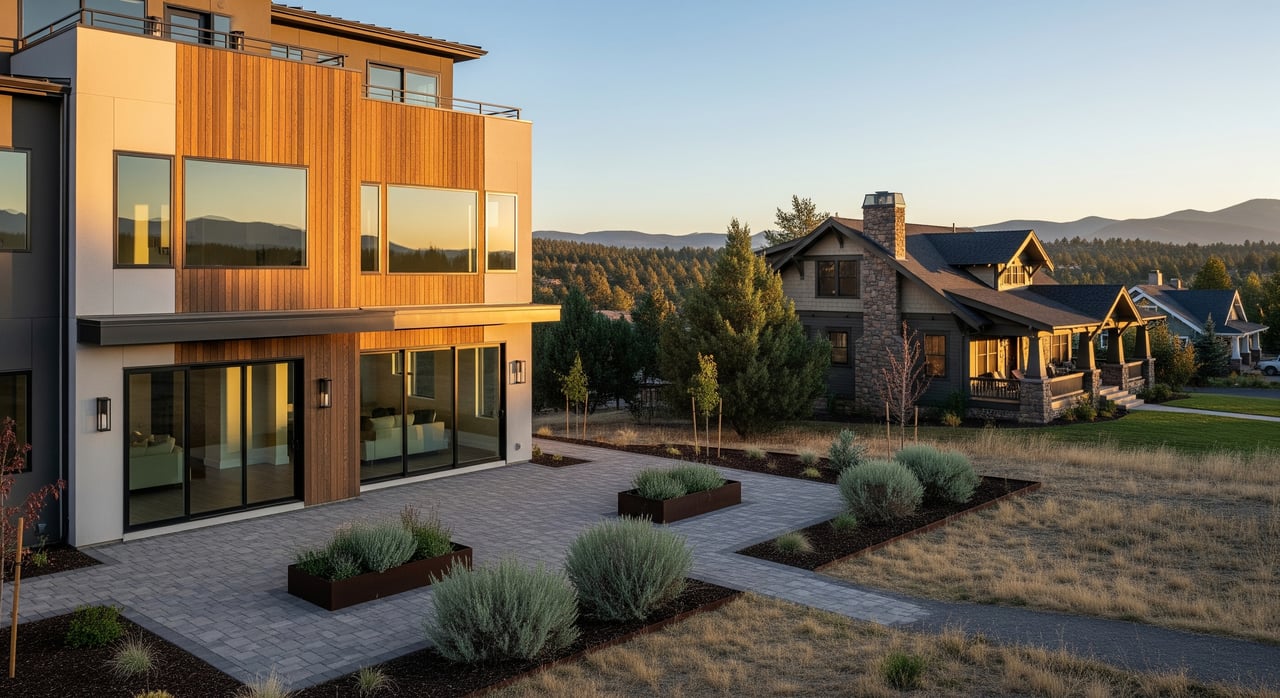
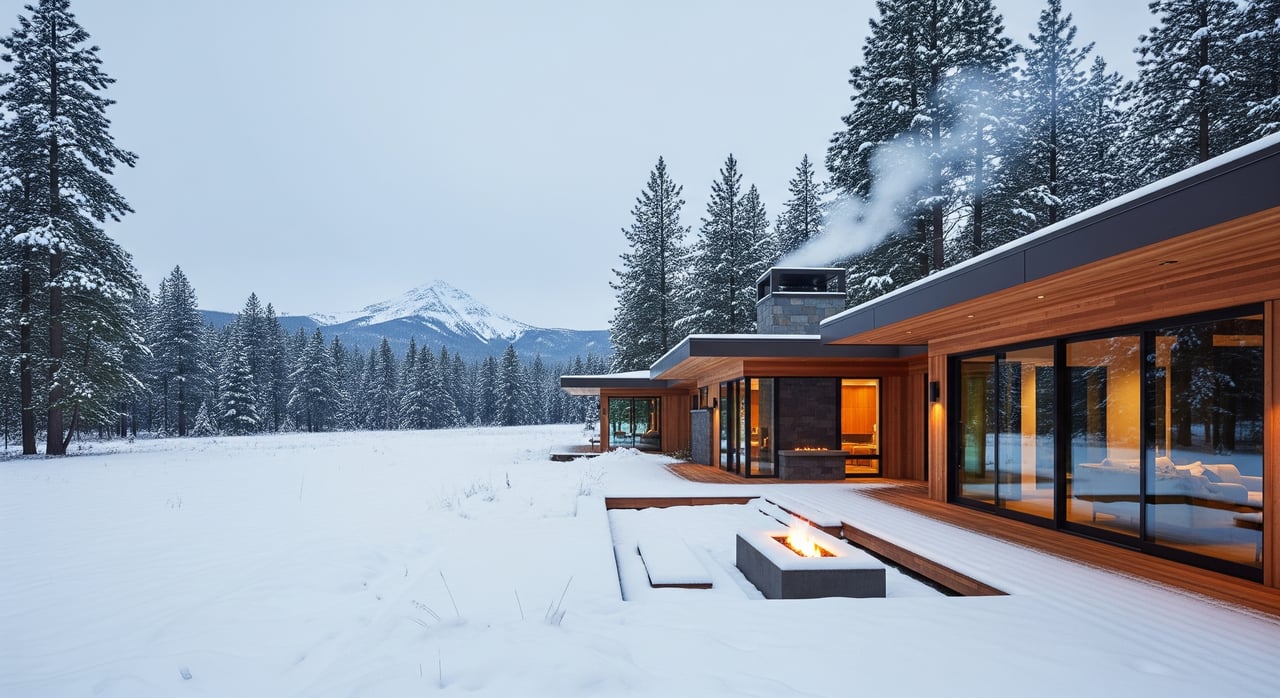
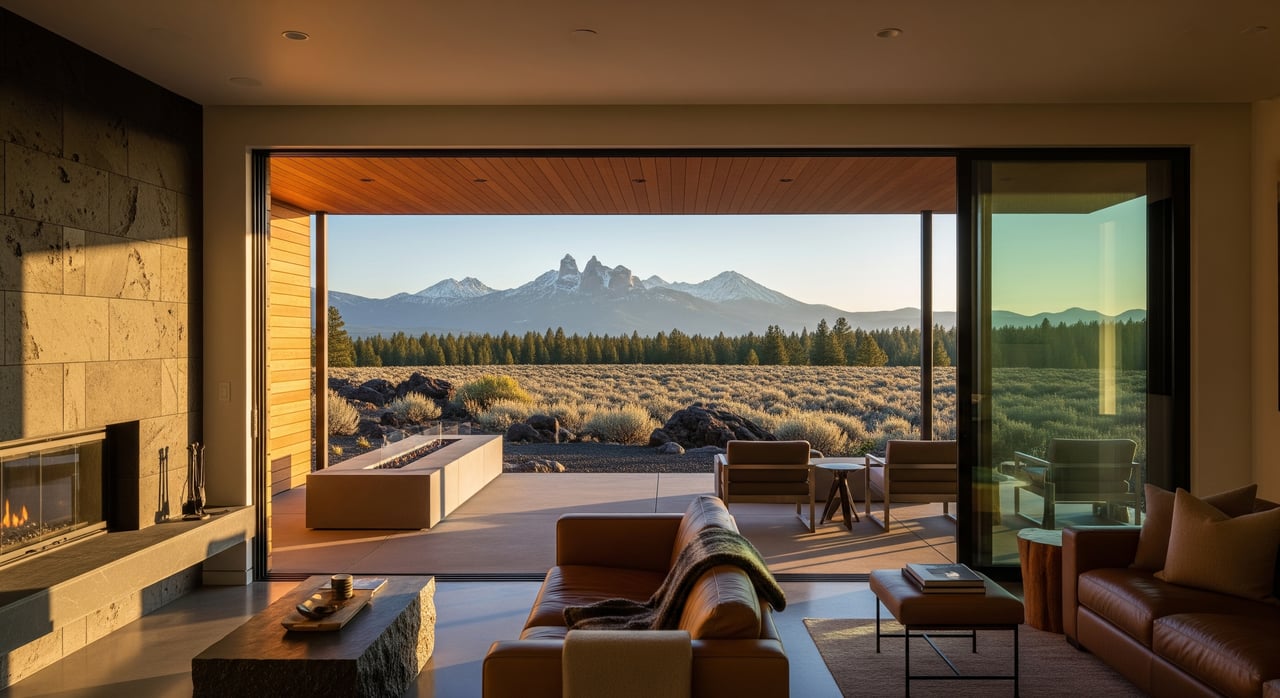
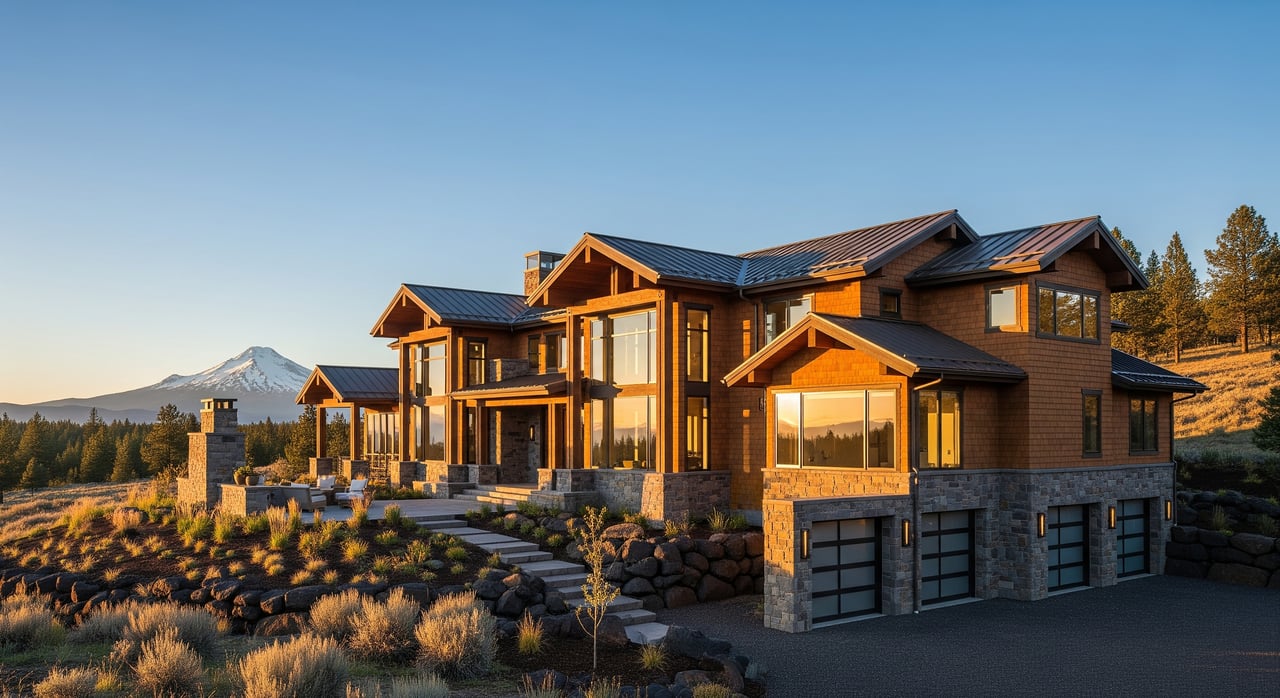
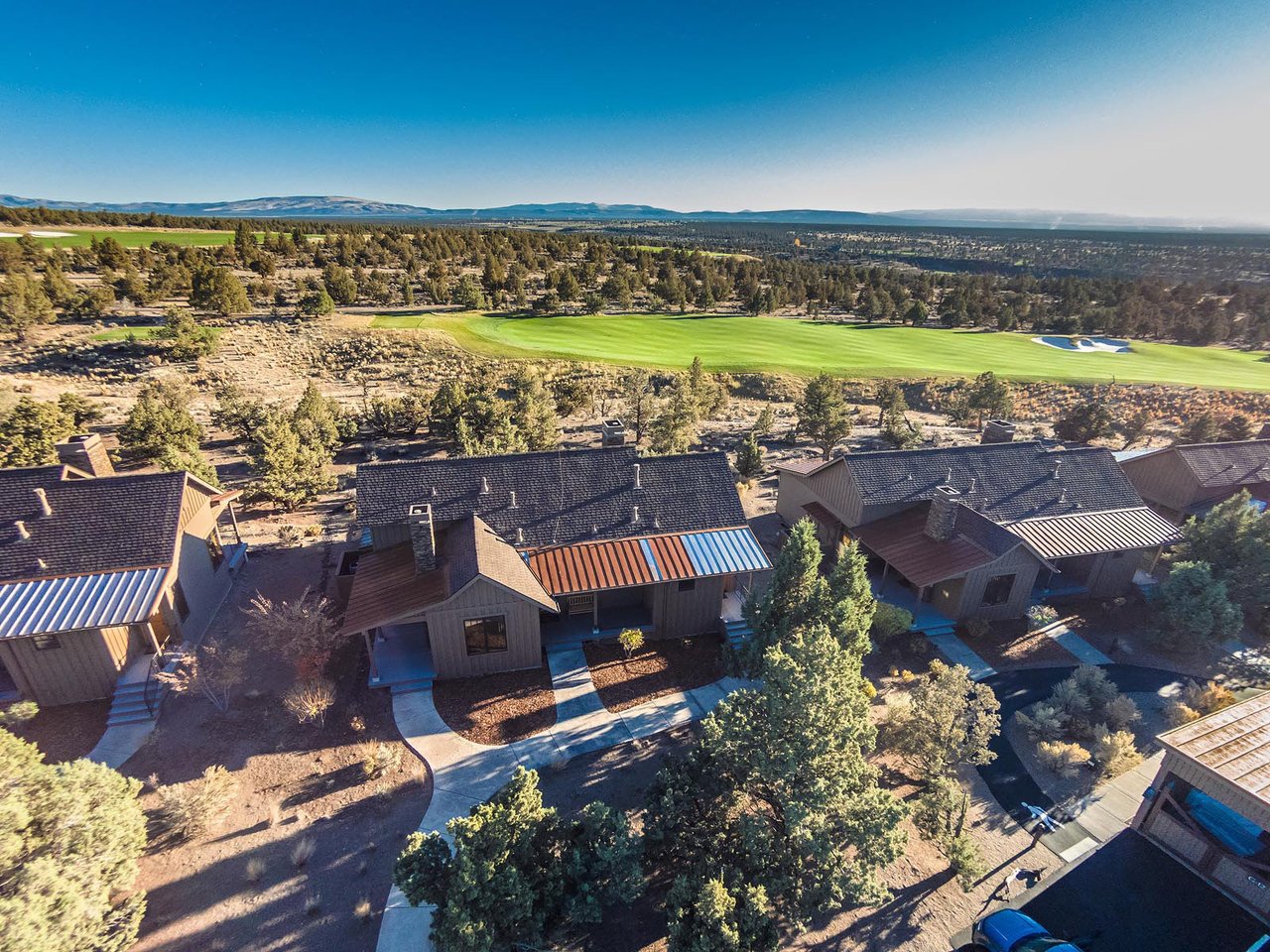
Mountain Modern and Northwest Contemporary. This is the dominant language of custom builds, newer subdivisions, and rural estates — low-pitched gable or shed rooflines engineered for snow shed, black steel accents, board-and-batten cedar siding, native basalt or lava stone masonry, expansive glass, and vaulted timber-frame ceilings oriented to frame the Three Sisters. Well-executed examples command a clear premium in the Aspen Lakes and rural acreage markets.
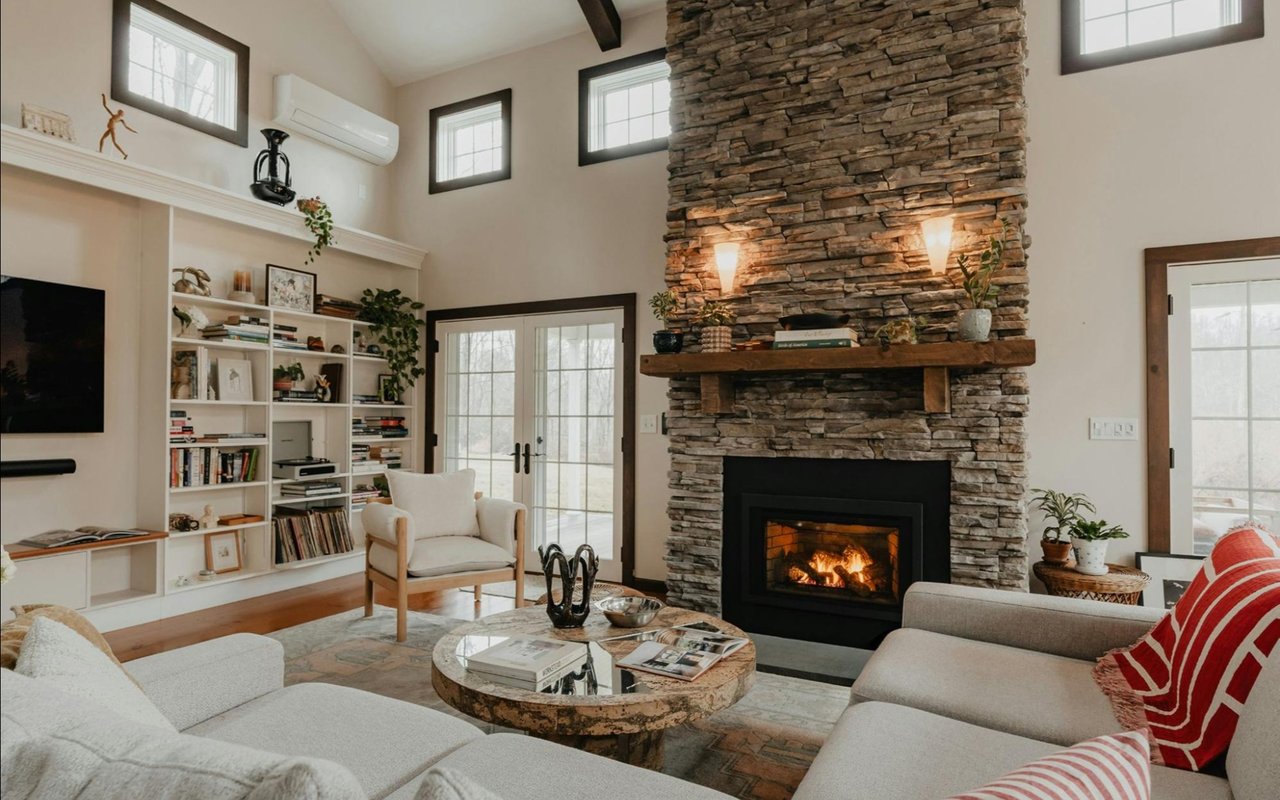
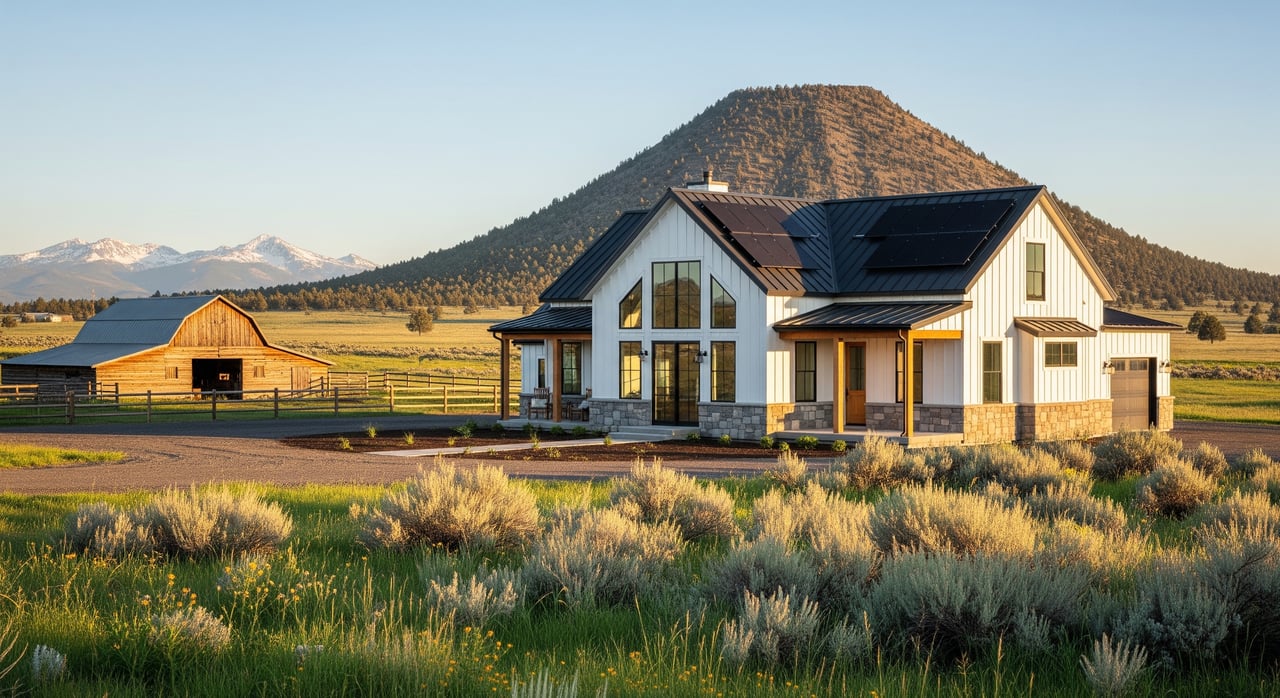
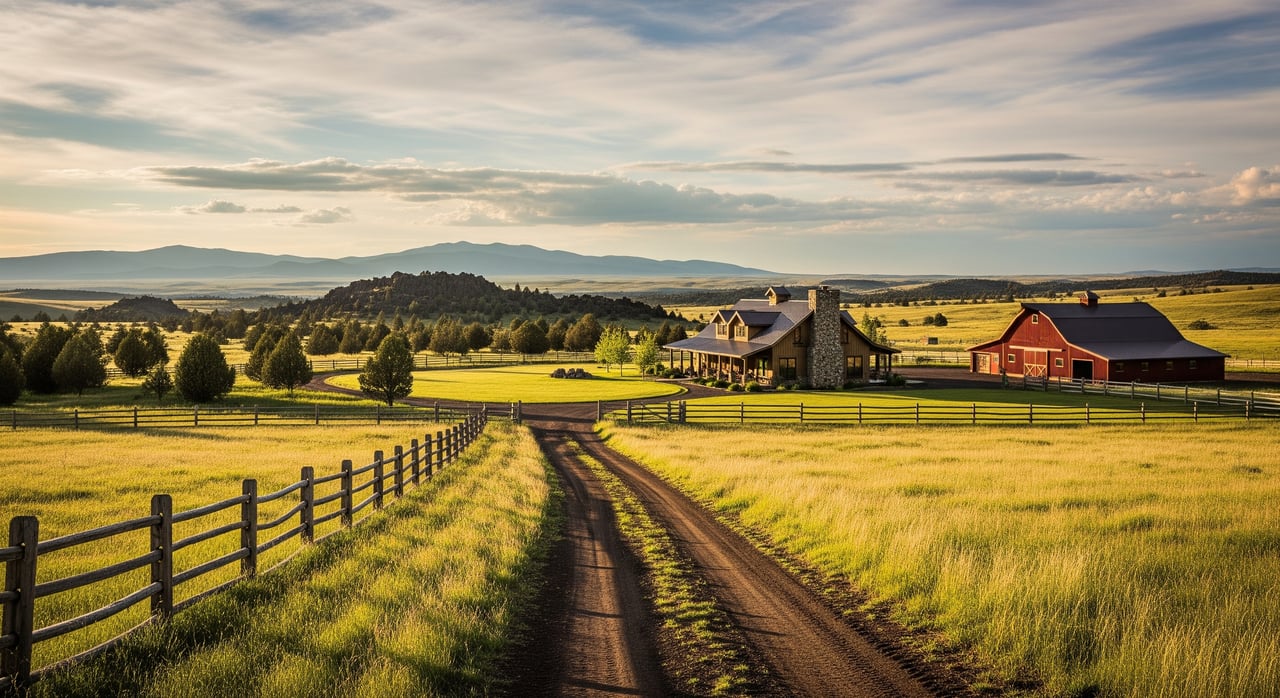
Central Oregon Lodge and Ranch. Common at Black Butte Ranch, in Tollgate, and on outlying agricultural land. Lodge-style homes feature heavy log beams, pine tongue-and-groove ceilings, and floor-to-ceiling stone fireplaces. Single-story ranch homes sprawl across one level with wrap-around covered porches and detached shops or equestrian barns. Many of the older examples are genuine 1970s and 1980s construction, which means windows, insulation, and mechanical systems deserve close inspection even when the finishes look timeless.
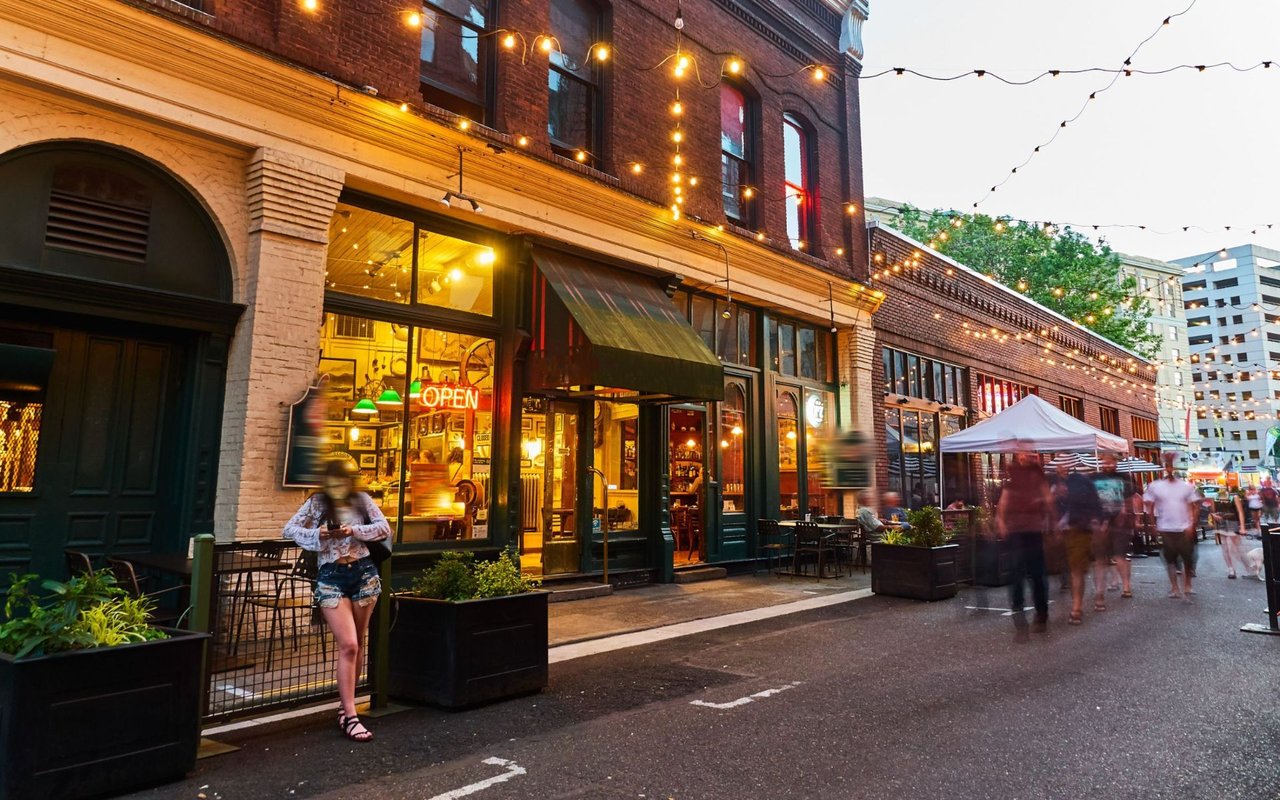
Downtown Sisters, framed along Cascade and Hood Avenues, functions as both the economic engine and the social center of town. Within a few walkable blocks you'll find independent retail, regional dining, and the essential daily services that let residents avoid driving to Bend for routine errands.
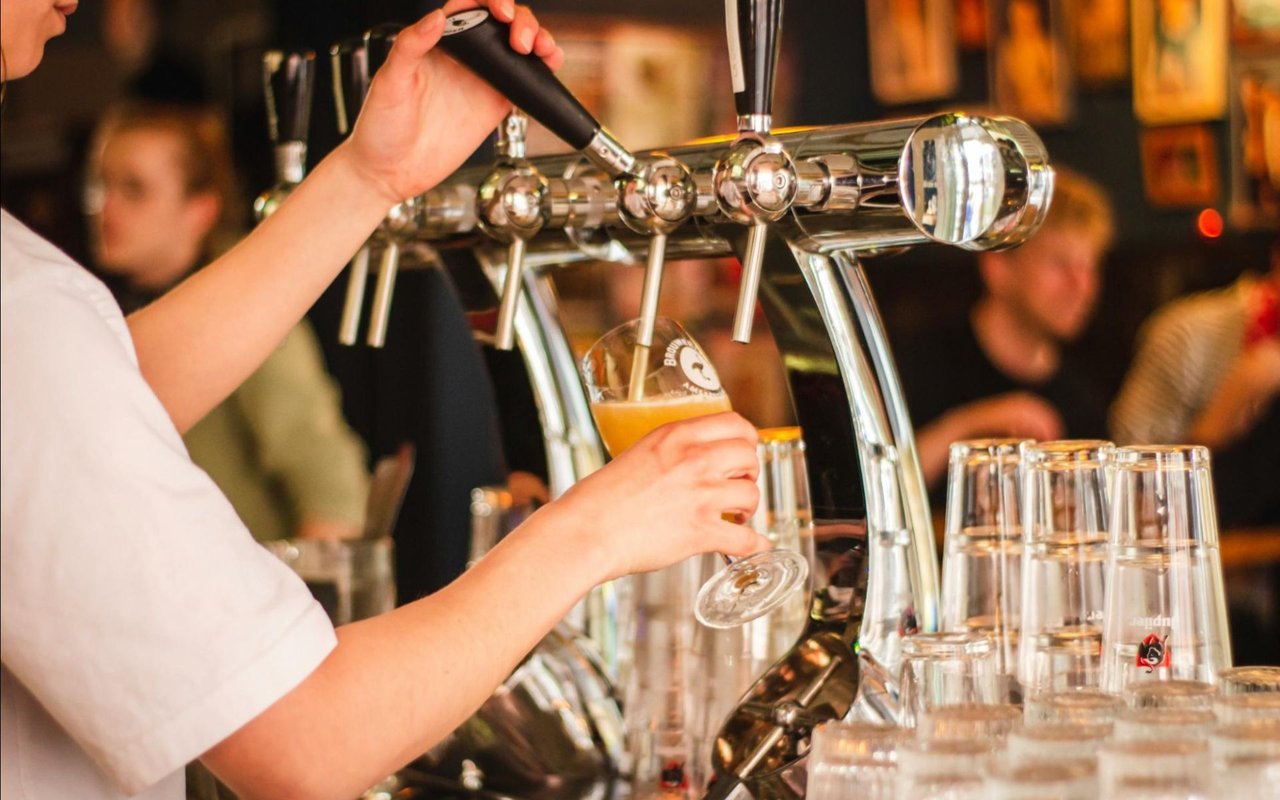
Food and gathering places. Sisters Coffee Company is a regional institution, roasting small-batch coffee in a large log-cabin space on Hood Avenue. The Barn in Sisters operates as a taphouse and outdoor food-cart pod with craft beer, cider, and wood-fired pizza from Boone Dog Pizza — it's effectively the town's communal backyard. Beyond that, the range runs from classic American fare at the historic Sisters Saloon & Ranch Grill to Sisters Bakery and the artisan counter at Sisters Meat & Smokehouse.
Retail with actual character. Stitchin' Post is an internationally known quilt and fabric shop that gave rise to the annual Sisters Outdoor Quilt Show. Paulina Springs Books anchors the town's literary life and hosts community events, while The Fly Fisher's Place outfits anglers headed to the Metolius and Deschutes. Dozens of locally owned clothing, home decor, and Western antique stores fill in along Cascade Avenue.
Daily needs and healthcare. Oliver Lemon's covers specialty products, natural foods, and standard grocery needs in town, with Ray's Food Place on the west end for conventional supermarket inventory. On the medical side, St. Charles Health System operates a local outpatient clinic offering urgent care, primary care, and lab services — a genuine quality-of-life factor that means routine care doesn't require a drive to Bend or Redmond.
The Sisters School District (SSD #6) is consistently rated among the top-performing public systems in Central Oregon, supported by strong local tax levies and community foundations that keep class sizes below state averages. For relocating families, this is frequently the deciding factor between Sisters and comparably priced alternatives elsewhere in the region.
Level | Campus | Notable Strengths |
|---|---|---|
Elementary (K–4) | Sisters Elementary School | Small class sizes, foundational literacy and math focus, integrated outdoor learning trails |
Middle (5–8) | Sisters Middle School | STEM integration, robotics, environmental science fieldwork along Whychus Creek |
High (9–12) | Sisters High School | Graduation rates consistently above 90%, distinctive vocational electives, strong athletics |
What sets the district apart is its specialized programming. The Americana Project is a nationally recognized music and arts curriculum built in partnership with the Sisters Folk Festival, teaching students acoustic guitar, songwriting, and sound engineering. A flight and aviation program allows high schoolers to complete private pilot ground school requirements through coursework linked to Sisters Eagle Airport. And Sisters GRO (Graduate Resource Organization), a local nonprofit foundation, awards hundreds of thousands of dollars annually in college and trade school scholarships to graduating seniors. Few districts of this size offer anything comparable.
Sisters functions as a gateway to the High Cascades, and four geographic features shape outdoor life here.
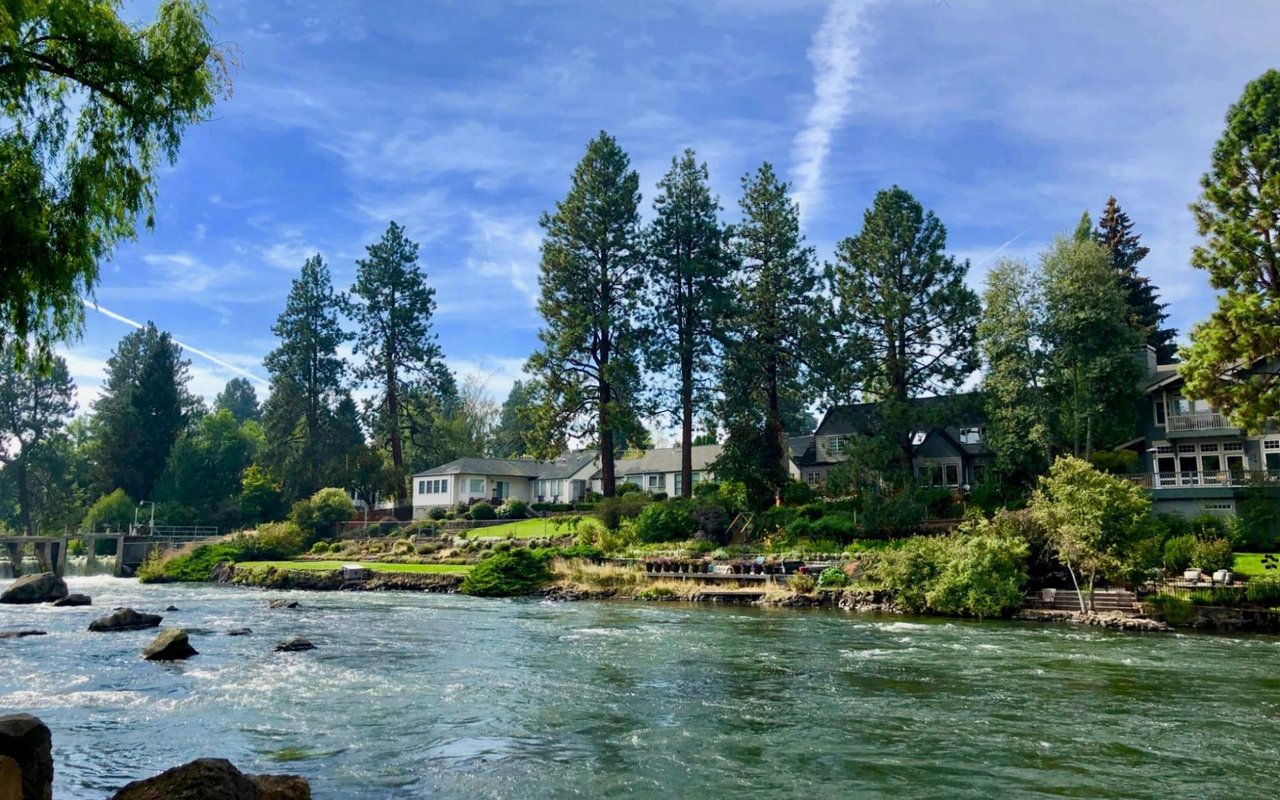
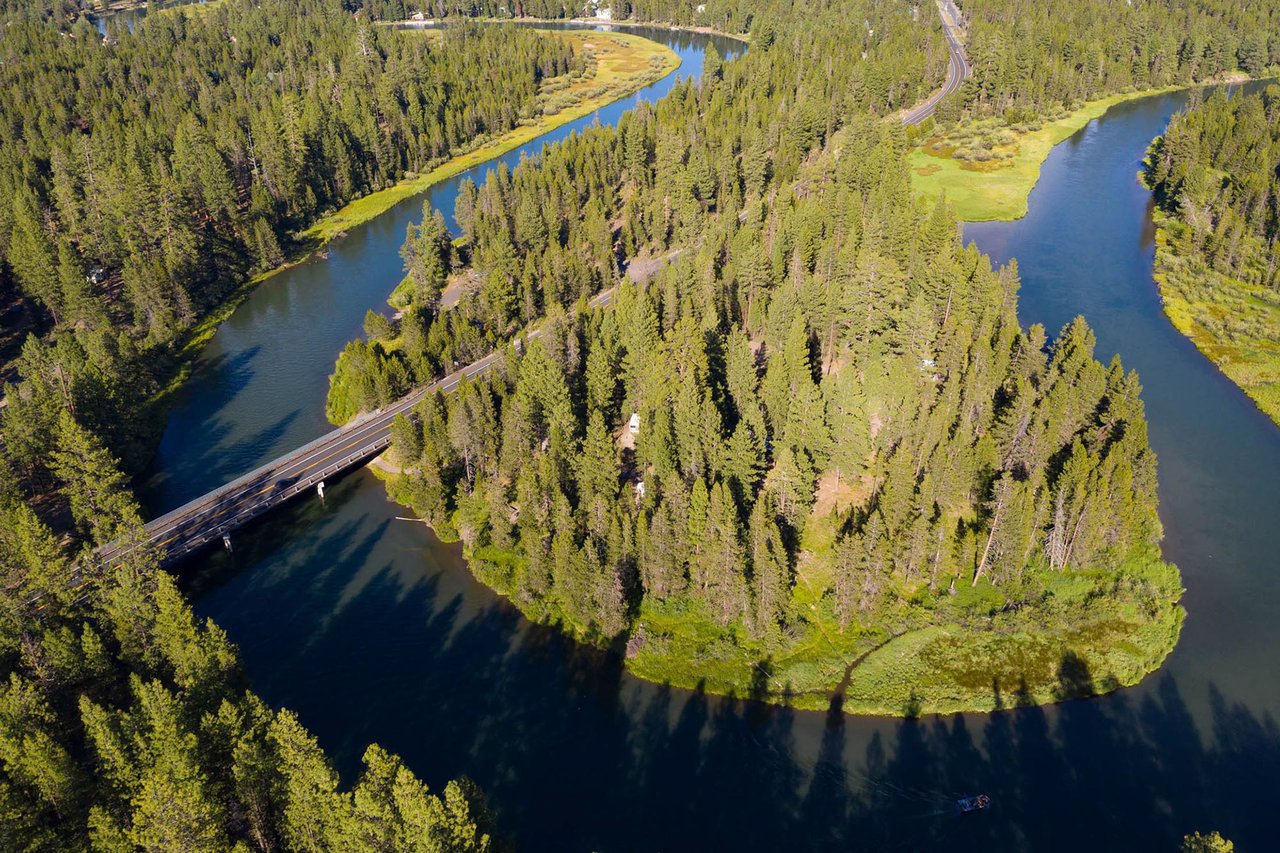
Whychus Creek flows from Cascade glaciers directly through town, making it the closest thing Sisters has to a central recreational spine. The Whychus Creek Overlook Trail offers an accessible paved one-mile loop with canyon and peak views. Ongoing habitat restoration by the Deschutes Land Trust protects wild steelhead and salmon spawning grounds along the corridor — worth knowing, since that conservation work shapes what can and can't happen on creek-adjacent land.
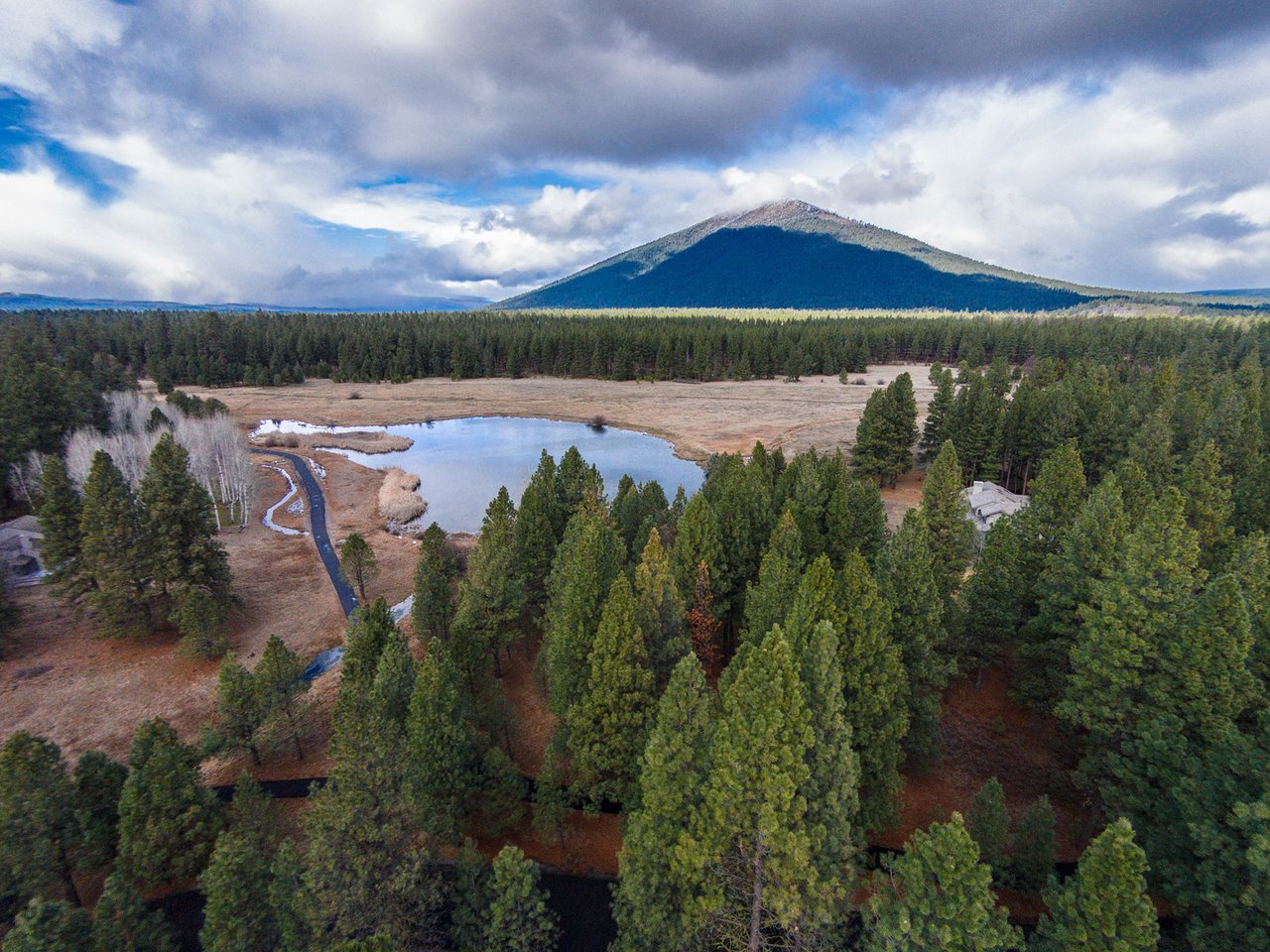
The Metolius River Basin, fifteen miles northwest near Camp Sherman, is where the Metolius springs fully formed out of the ground at the base of Black Butte. It's a fly-fishing-only, catch-and-release river with a worldwide reputation for wild Redband and Bull trout. The Metolius River Trail follows the turquoise water past historic resorts, a fish hatchery, and old-growth pine.
The Peterson Ridge Trail Network is accessible directly from the south edge of town and delivers over thirty miles of interconnected multi-use singletrack for mountain biking, trail running, and horseback riding. Trails range from smooth beginner loops to technical ridge lines with full Cascade views. For buyers on the south side of Sisters, this is a legitimate value driver — trail access from your driveway.
The Three Sisters Wilderness encompasses more than 160,000 acres of alpine lakes, lava fields, and high peaks, including North, Middle, and South Sister plus Broken Top. Day and overnight permits through Recreation.gov are required from May through October. Key routes include Tam McArthur Rim and Green Lakes, with additional access along the McKenzie Pass Scenic Byway.
For a town of 3,000, Sisters hosts a calendar that punches far above its size — and those events shape both the local culture and, practically speaking, summer traffic and short-term rental demand.
Event | When | What It Is |
|---|---|---|
Sisters Rodeo | Second weekend in June | "The Biggest Little Show in the World," running since 1940 — PRCA rodeo action, a town parade, and Western festivities |
Sisters Outdoor Quilt Show | Second Saturday in July | The world's largest outdoor quilt show, with over 1,200 fiber art pieces hung across downtown storefronts and porches |
Sisters Folk Festival | Late September | Three days of roots, Americana, and folk music across seven-plus intimate indoor and outdoor venues |
Alongside those, the Sisters Harvest Faire in October brings more than 150 regional artisans into the downtown streets, and the Fourth of July celebration fills Village Green Park with a community parade and pancake breakfasts. The Quilt Show in particular is worth understanding as a cultural phenomenon: it grew out of a single downtown fabric shop and now draws visitors internationally, which tells you something real about how this town builds things.
Sisters is the western gateway to Central Oregon, and US Highway 20 is the primary regional arterial. Where you're commuting matters more than most buyers expect.
The mountain passes deserve specific attention. Santiam Pass on US-20 West is the year-round route to Salem and Portland, cresting at 4,817 feet and requiring traction tires or chains during heavy snowfall — plan west-side travel around weather, not the calendar. McKenzie Pass (OR-242) is the historic narrow scenic highway that threads through lava fields toward Eugene, and it closes seasonally from November to mid-June. If Eugene access is part of your calculus, budget for the fact that the direct route disappears for more than half the year.
Three issues account for most of the friction in Sisters transactions, and all three are manageable if you address them early.
Wildfire risk and insurance. Sisters sits in a dense ponderosa pine ecosystem, and wildfire exposure is real. Most local HOAs and Deschutes County require defensible space around structures — clearing pine needles, removing ladder fuels, and maintaining a thirty-foot clear zone. The more consequential issue for buyers is insurance: verify homeowner's insurance quotes in the first days of escrow, not the last week. Properties in higher-risk wildfire zones can carry elevated premiums or require specialty carriers, and discovering that late can derail an otherwise sound purchase.
Urban Growth Boundary and land use. Oregon's land-use framework under Senate Bill 100 tightly controls where development can occur. Properties inside the Sisters UGB have access to city utilities and higher-density development rights. Outside it, parcels zoned Exclusive Farm Use or Forest Use face significant Deschutes County hurdles on building expansion, land partitioning, and short-term rental permitting. A five-acre parcel that looks buildable on a map may not be, and confirming zoning and development rights before removing contingencies is essential.
Short-term rental rules. Both the City of Sisters and surrounding subdivisions — Black Butte Ranch included — enforce licensing caps, density limits, and quiet-hour ordinances for vacation rentals. If rental income is part of your purchase thesis, the operative question isn't whether the neighborhood has rentals; it's whether a transferable license exists for that specific property and what the current cap situation looks like. This is the single most common source of disappointment among investment buyers in Sisters Country.
Buying in Sisters rewards local knowledge in a way that few markets do. The difference between a property inside the Urban Growth Boundary and one just outside it, between a transferable short-term rental license and a neighborhood at its cap, between a domestic well and real irrigation rights — these are the details that determine whether a home performs the way you expect. Team Fitch Real Estate, led by Principal Broker Nicole Fitch alongside Matt Fitch and Ani Weber, brings that granular Central Oregon expertise to every transaction, backed by the 2025 John L. Scott Chairman's Circle Award recognizing the team among the region's top performers.
Whether you're relocating for the school district, searching for a Cascade-view custom build site, evaluating a Black Butte Ranch cabin as a second home, or preparing to sell and wanting to position your property against the right comparables, the team is ready to help you make a confident decision. Reach out at (541) 749-0875 or [email protected], or stop by the office at 50 SW Bond St, Suite 1, Bend, OR 97702. Let's find the right piece of Sisters Country for you.
Sisters has 3,142 households, with an average household size of 2.37. Data provided by the U.S. Census Bureau. Here’s what the people living in Sisters do for work — and how long it takes them to get there. Data provided by the U.S. Census Bureau. 7,500 people call Sisters home. The population density is 14 and the largest age group is Data provided by the U.S. Census Bureau.
Total Population
Population Density Population Density This is the number of people per square mile in a neighborhood.
Median Age
Men vs Women
Population by Age Group
0-9 Years
10-17 Years
18-24 Years
25-64 Years
65-74 Years
75+ Years
Education Level
Total Households
Average Household Size
Average individual Income
Households with Children
With Children:
Without Children:
Blue vs White Collar Workers
Blue Collar:
White Collar:
There's plenty to do around Sisters, including shopping, dining, nightlife, parks, and more. Data provided by Walk Score and Yelp.
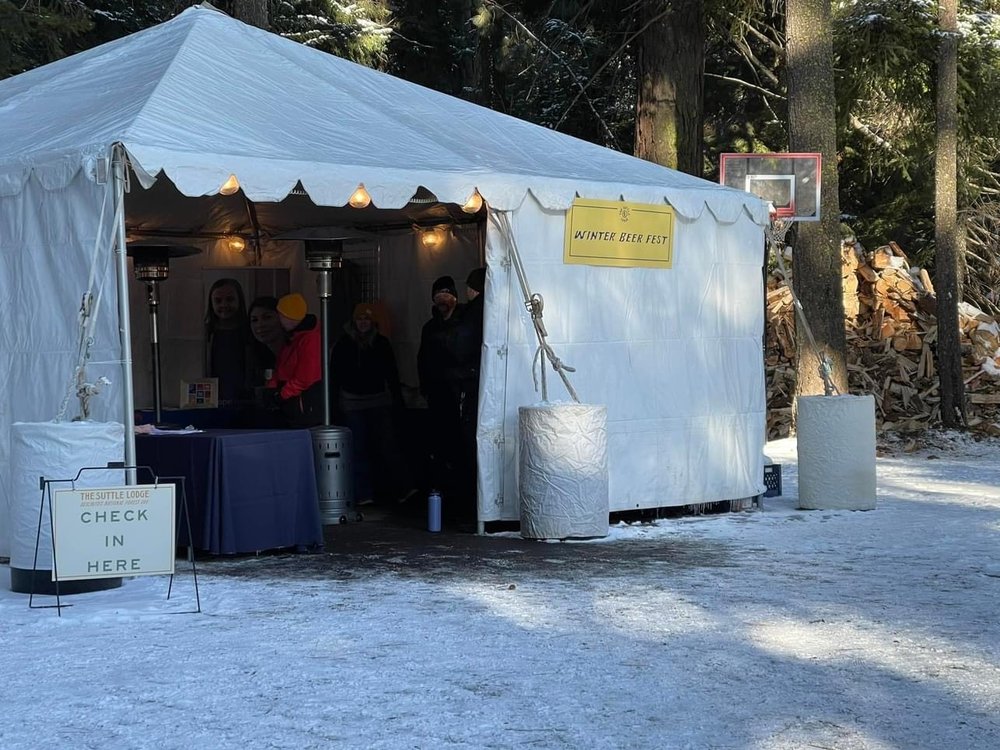
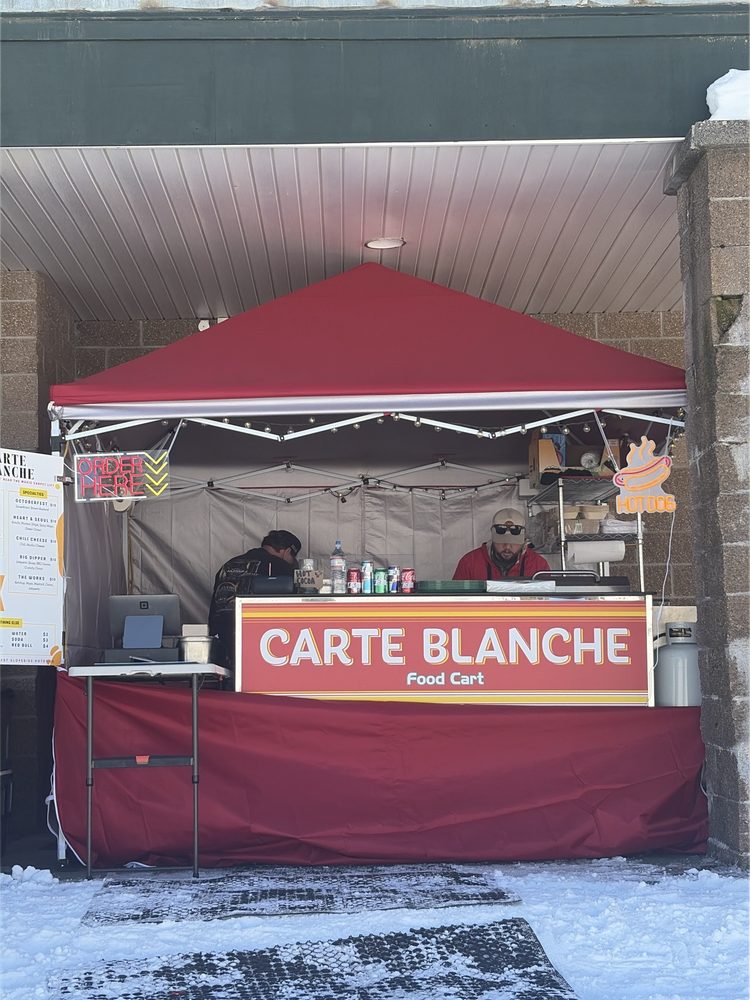
Explore popular things to do in the area, including Suttle Lodge & Boathouse, The Suttle Lodge & Boathouse, and Carte Blanche.
| Name | Category | Distance | Reviews |
Ratings by
Yelp
|
|---|---|---|---|---|
| Dining · $$ | 4.35 miles | 115 reviews | 3.5/5 stars | |
| Dining | 4.35 miles | 2 reviews | 4.5/5 stars | |
| Dining | 4.83 miles | 1 review | 5/5 stars | |
| Dining | 4.84 miles | 2 reviews | 4/5 stars | |
| Active | 2.85 miles | 4 reviews | 4.3/5 stars | |
| Active | 4.04 miles | 6 reviews | 5/5 stars | |
|
|
||||
|
|
||||
|
|
||||
|
|
||||
|
|
||||
|
|
ADDRESS 50 SW BOND ST STE 1 BEND OR 97702
ADDRESS 50 SW BOND ST STE 1 BEND OR 97702