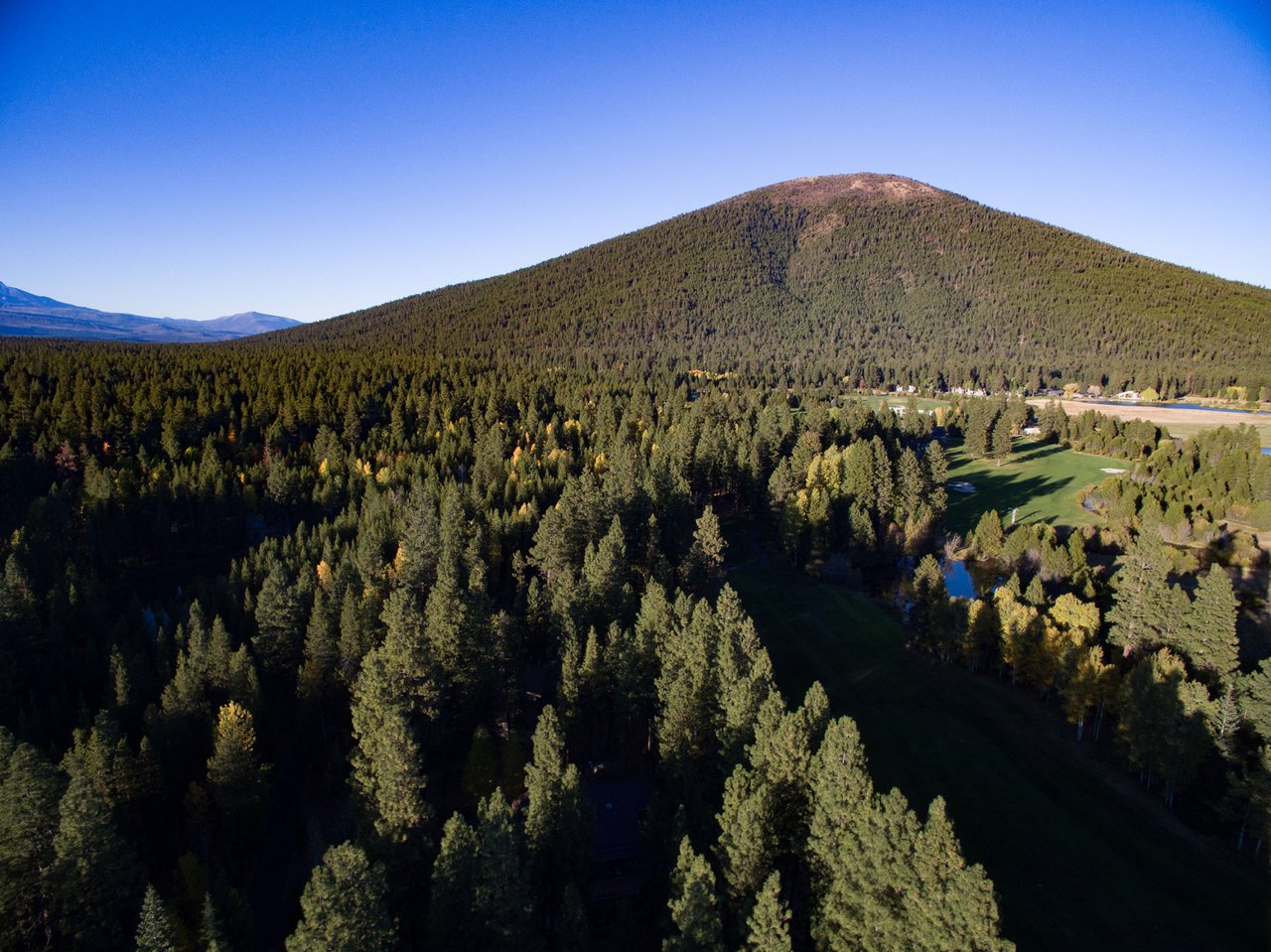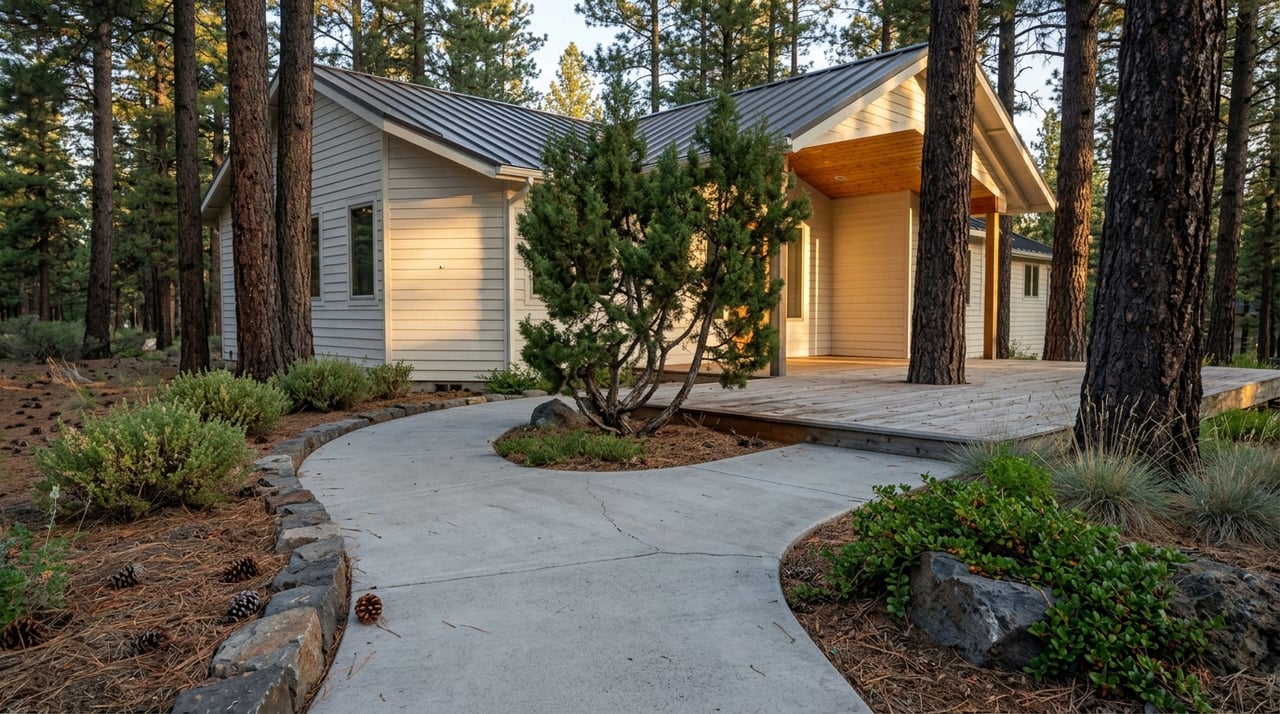
Every brochure photo of Sunriver eventually lands on the pathway system: a rider gliding under ponderosa pines, a family on cruiser bikes rolling past Fort Rock Park, nobody sharing the road with a car. It reads like public parkland, the kind of car-free network a city parks department might build and maintain with tax dollars. It isn't. The 34 miles of paved path that stitch Sunriver together belong to the Sunriver Owners Association, and that fact, more than any trail map, explains why your electric bike might not be welcome on it.
The Fine Print Riders Never Read
SROA's Rules and Regulations, most recently revised in May 2025, spell out exactly who gets to use the pathways: pedestrians, bicycles, tricycles, scooters, strollers, and Class 1 e-bikes, the kind that only assists while you're pedaling and cuts off at 20 mph. Class 2 e-bikes, which run on a throttle alone, and Class 3 e-bikes, which pedal-assist up to 28 mph, are barred outright. So are golf carts, hoverboards, one-wheels, and Segways.
That's a clean rule on paper, but a lot of part-time owners never read it, because the pathway kiosks, replaced in 2024 with new wayfinding signage after years of aging wooden versions, don't spell out the class distinctions in plain language. The line matters more than it looks. Class 1 versus Class 2 or 3 is a legal classification under Oregon law, and Sunriver's rulebook adopts it directly. Someone who assumes "electric bike" is a single category finds out there are three, and only one is allowed on the path connecting their driveway to the Village.
Why There's No City Council to Appeal To
In most Oregon towns, a rule like this runs through a public process. A city council vote, maybe a comment period, and if you disagree you show up and argue, or vote the council member out next cycle. Sunriver doesn't work that way. The roads and the pathways are private property owned by the Sunriver Owners Association, not by Deschutes County, which means the SROA Board of Directors, not any elected municipal body, decides what rolls on them.
When the board tightened its e-bike language, at least one longtime owner pushed back hard enough to consult legal counsel, only to learn the board can impose whatever restriction it wants because the community, roads included, is privately owned. There's no zoning appeal, no county commissioner to lobby, no ballot measure. The lever that exists is the SROA board itself, its elections, its public meetings, and its published minutes.
What's Actually Allowed on the Pathways
Allowed, per SROA's current rules:
- Walkers, runners, and strollers
- Traditional bicycles, tricycles, and tag-along trailers
- Class 1 e-bikes, pedal-assist only, no throttle
- ADA mobility devices
Not allowed:
- Class 2 and Class 3 e-bikes
- Golf carts
- Hoverboards and one-wheels
- Segways
The full rule is posted on SROA's site, and it's worth a read before you order anything with a throttle.
The Path Is About to Get Longer
For decades, the practical edge of Sunriver's car-free network has been the Sun-Lava Path, which runs north out of the community to the Lava Lands Visitor Center inside the Newberry National Volcanic Monument. Riding further into Bend has meant sharing a shoulder along Highway 97, since no safe route currently connects Bend to Lava Butte.
That's changing. The Oregon Department of Transportation is building a new multi-use path linking the south end of Bend to Lava Butte, with Phase 1 construction beginning in spring 2027. That phase starts near the Lava Butte Visitor Center, runs through a pedestrian tunnel under Highway 97, and continues to the High Desert Museum. Phase 2, set to break ground in spring 2028, extends the path north from the museum to Knott Road. Once both phases are finished, the project ties into the existing Sun-Lava Path, creating one continuous route from south Bend all the way to Sunriver, something that doesn't exist today.
For a Sunriver owner on a legal Class 1 e-bike, that means a future ride into Bend won't require a car rack or a highway shoulder. It'll be pathway the whole way, governed by the same rules that already apply inside the gates.
What the Path Actually Carried This Summer
Governance and mileage are one thing, but foot and wheel traffic tell the more immediate story of how the pathway functions as the community's connective tissue. SHARC hosted its free Turf Tunes concert series on Sundays from mid June through the first week of July, drawing residents down the path on foot and bike rather than by car. The Sunriver Music Festival closed its 49th season on August 20, having opened ten days earlier in Sunriver Resort's Great Hall and finished at the Tower Theatre in downtown Bend, a two-venue run that used the path network at one end and Bend's own downtown at the other.
Fort Rock Park, at the pathway's eastern edge, kept its ballfield, pickleball courts, and pavilion booked through the warm months. On September 26, the Sunriver Oktoberfest Race, a 5K and 10K, will start near SHARC and kick off Oktoberfest weekend, one more instance of the pathway system doubling as a race course inside a private community before the calendar turns toward fall.
The Takeaway for Owners
None of this changes because a homeowner disagrees with it in a forum post. The pathway network that makes Sunriver feel like a place where kids can bike to the pool and grandparents can walk to a concert exists because a private association built it, maintains it, and sets the terms for who's welcome on it, right down to which class of e-bike qualifies. The 2024 kiosk upgrade and the pathway system's ongoing tunnel replacement work both moved forward as capital decisions made by the SROA Board, not as line items a public vote decided. If you already own here, the way to shape what happens next isn't a lawsuit. It's showing up to a board meeting or reading next year's capital plan before it's finalized.
Team Fitch spends as much time tracking how Central Oregon's resort communities actually govern themselves as we do tracking home prices, because the rules an association writes shape daily life here as much as square footage does. If you're weighing a move into Sunriver, or you already call it home and want a clearer read on what's ahead for the neighborhood, Team Fitch is a phone call away.