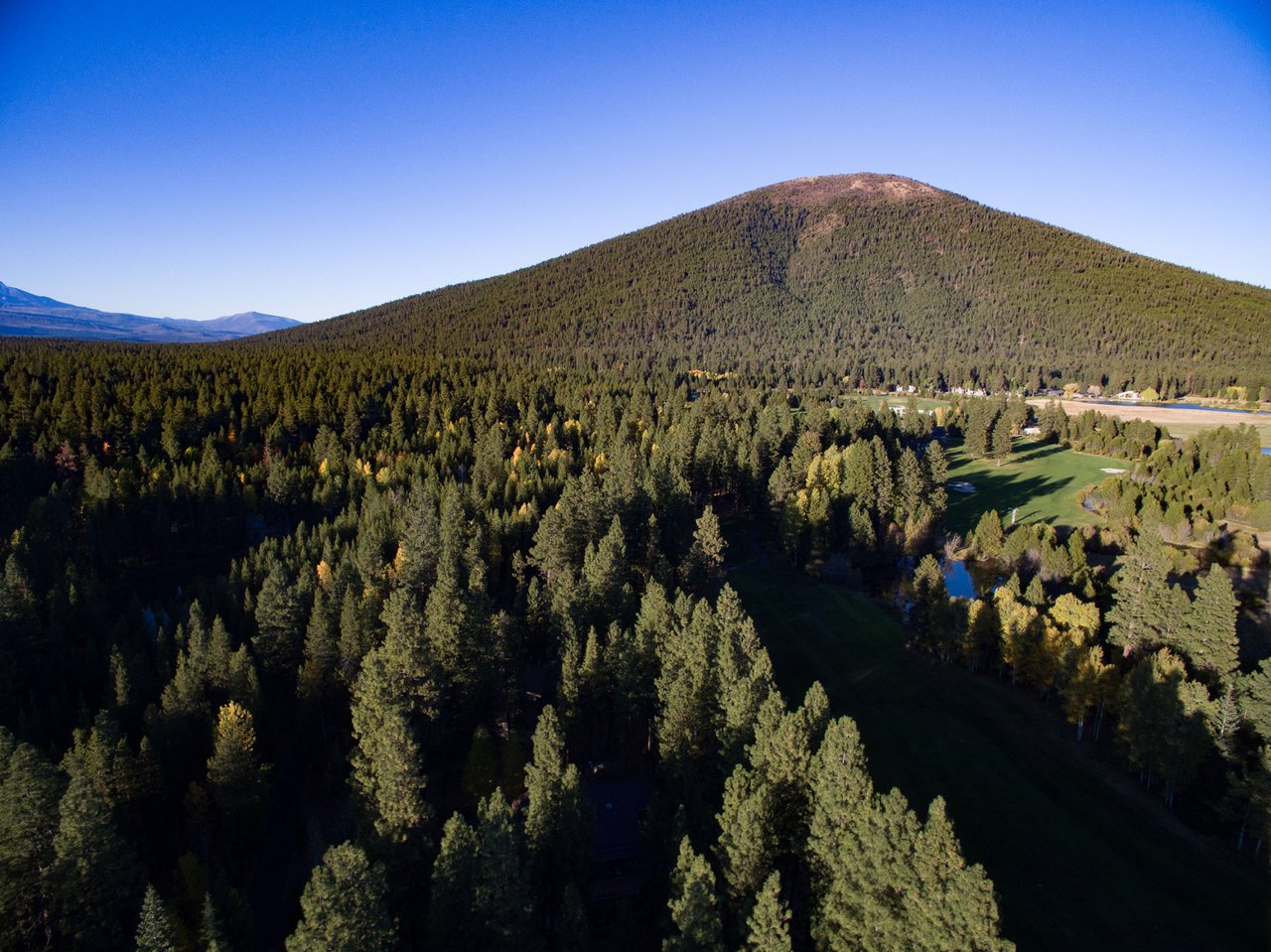
Wondering if Sunriver makes sense as more than a weekend getaway? If you are thinking about living here full-time, you are probably weighing the lifestyle perks against the real-world details like winter driving, ongoing fees, school logistics, and day-to-day convenience. The good news is that year-round living in Sunriver can be a great fit for the right buyer, especially if you understand how the community works before you buy. Let’s dive in.
Sunriver feels different year-round
Sunriver is not a typical suburb. It is a resort-oriented planned community with a real full-time population, and that matters when you are deciding whether to live here every month of the year.
According to Deschutes County planning materials, Sunriver spans about 3,375 acres, has an estimated 1,700 permanent residents, and can grow to more than 20,000 people during peak tourist season. The Sunriver Owners Association parks and recreation master plan also notes a mix of about 20% year-round residents, 40% second-home owners, and 40% rental-property owners.
That mix shapes daily life. In slower months, you may enjoy a quieter pace and easier access to trails and community spaces. In busy seasons, you should expect more traffic, more visitors, and a different overall rhythm than you would find in a traditional residential neighborhood.
Pros of living in Sunriver full-time
Resort-style surroundings every day
One of the biggest draws is simple: you get to live where many people vacation. Sunriver offers easy access to recreation, open space, and a planned setting that appeals to buyers who want a lifestyle-focused home base.
If you value trails, outdoor time, and a setting that feels tucked into nature, Sunriver can deliver that in a way many standard neighborhoods do not. For some buyers, that everyday experience is the main reason to choose it.
Quieter off-season living
A full-time resident gets to experience Sunriver beyond the busiest visitor months. When seasonal traffic drops, the community can feel calmer and more relaxed, which is a meaningful advantage if you prefer a quieter day-to-day environment.
This is one of the more overlooked benefits of year-round ownership. You are not just buying peak-season appeal. You are also buying into the off-season pace.
Good fit for remote work
If you work from home, Sunriver may be easier to live in full-time than many buyers expect. The community has a built-in fiber program, and SROA says approved fiber-to-the-home service is charged at a locked rate of $35 per month for the first 10 years, then $48 per month for the remaining five years.
That matters if you want a home office and dependable connectivity. For remote workers, self-employed households, and retirees, Sunriver can offer a strong lifestyle match if you are comfortable with a smaller local job base and seasonal patterns.
In-community K-8 school access
For buyers with children, Sunriver does offer a local public school option for younger students. Bend-La Pine Schools lists Three Rivers K-8 in Sunriver at 56900 Enterprise Drive.
That can simplify day-to-day life for elementary and middle school families. The larger planning question is usually high school enrollment and transportation, since the district notes that students in the Caldera High and La Pine High choice attendance area may enroll at either school.
Trade-offs to think through
Tourism changes the feel
The same features that make Sunriver attractive can also create friction. Because it is a resort community, the population and energy level shift throughout the year.
During peak periods, roads, amenities, and commercial areas may feel busier. If you want a highly consistent neighborhood rhythm all year long, that seasonal swing is something to think about carefully.
Winter readiness is part of life
Living in Sunriver full-time means planning around winter rather than treating it as an occasional inconvenience. NOAA climate normals place Sunriver at 4,180 feet elevation, with an annual mean temperature of 44.2°F.
January is cold, with an average high of 39.8°F and an average low of 19.6°F. That means snow, ice, and slower travel conditions are part of normal winter living, not rare events.
South Century Drive is a key route connecting US97 to Sunriver and Three Rivers. Deschutes County project information referencing ODOT winter travel guidance notes that Oregon winter travel can be challenging, chain laws apply, and roads are maintained to stay passable rather than perfectly clear.
Local job options are more limited
Sunriver can work very well if your income is not tied to a large local employment base. County materials show an economy shaped by tourism, retail trade, and health care, with Sunriver Resort listed among major employers in the area.
At the same time, Deschutes County documents point to more limited employment opportunities in south county and note that many residents commute out of the area for work. If your household needs several nearby job options, Sunriver may feel less convenient than Bend or other larger population centers.
Fees are part of the ownership model
Sunriver ownership often comes with more layered recurring costs than buyers first expect. That does not make it a bad value, but it does mean you should budget with a full picture in mind.
SROA states that the 2026 maintenance fee is $172.94 per month, with $30 of each monthly fee directed to reserves. The association also notes that some condo and townhome properties may have sub-association dues, and invoices can include a SHARC assessment and the TDS fiber monthly rate where applicable.
What it costs to live in Sunriver
When you compare Sunriver to a non-resort community, the most important question is usually not just price. It is whether you are comfortable with the resort-style cost structure that comes with ownership.
Here is a simple look at some recurring costs buyers should ask about.
Cost item | What to know |
|---|---|
SROA maintenance fee | |
Reserve contribution | $30 of the monthly SROA fee goes to reserves |
Fiber internet | Locked at $35/month for first 10 years, then $48/month for five years |
Member Preference Program | |
Additional association costs | Some properties may have sub-association dues and other billed items |
For some owners, these fees are worth it because they support the community structure and recreation access. For others, especially buyers looking for a simpler or lower-fee ownership model, they can be a deciding factor.
Sunriver works best for certain buyers
Best fit buyers
Sunriver often works well for buyers who want lifestyle first and are comfortable with a community shaped by recreation and tourism.
You may be a strong fit if you are:
- A remote worker who values fiber internet and a home-office-friendly setting
- A retiree looking for recreation access and a quieter off-season pace
- A buyer who wants a primary home with resort character
- A household comfortable with winter driving and seasonal changes
- Someone who sees recurring HOA-style costs as part of the lifestyle package
Tougher fit buyers
Sunriver may be a harder match if your daily routine depends on convenience, low overhead, or a broad nearby employment base.
It may be less ideal if you need:
- Multiple local job options close to home
- Minimal recurring ownership fees
- A more traditional year-round neighborhood pattern
- Frequent errands in a larger city setting
- A low-maintenance approach to winter access and driving
Questions to ask before buying
Before you buy a full-time home in Sunriver, it helps to get practical. A home can look perfect online and still be the wrong fit if the location, dues, or winter setup do not match how you actually live.
Ask these questions as you narrow your search:
- What are the total monthly ownership costs beyond the mortgage?
- Does the property have any sub-association dues?
- How does winter access feel for your commute or school routine?
- Does the location feel too busy in peak season, or just right?
- If you have school-age children, what is the current attendance-area setup for that specific address?
- Will your work situation function well with the local commute and job landscape?
The bottom line on year-round living
Living in Sunriver year-round can be rewarding if you want a home that prioritizes recreation, nature, and a distinctive Central Oregon lifestyle. The biggest advantages are the setting, trail access, full-time use of a resort community, and the quieter side of Sunriver that many visitors never really see.
The trade-offs are just as real. Seasonal tourism, winter travel, layered ownership costs, and a smaller local employment base mean Sunriver is not automatically the right fit for every full-time buyer.
If you want help evaluating whether Sunriver matches your goals, lifestyle, and budget, Team Fitch Real Estate can help you compare options and search with clarity across Central Oregon’s resort communities.
FAQs
Is Sunriver a real year-round residential community?
- Yes. Deschutes County estimates about 1,700 permanent residents, even though the population rises sharply during peak tourist seasons.
What are the HOA-style fees for living in Sunriver full-time?
- SROA says the 2026 maintenance fee is $172.94 per month, and some properties may also have sub-association dues, SHARC-related charges, or fiber internet billing.
What is winter like for full-time residents in Sunriver?
- Winter is a normal part of daily life in Sunriver, with cold January averages, possible snow and ice, and travel conditions that require planning, traction readiness, and extra caution.
What school options are available for families living in Sunriver?
- Sunriver has Three Rivers K-8 in the community, and high school students in the local choice attendance area may enroll at either Caldera High or La Pine High, depending on district rules.
Is Sunriver a good place for remote workers to live full-time?
- It can be, especially for buyers who want a lifestyle-focused setting and can benefit from SROA’s fiber internet program, but it is less ideal for households needing a large nearby job market.