Welcome to
Redmond, OR Real Estate & Upscale Homes for Sale
An outdoor lover’s paradise with small-town charm and big adventure energy.
44,287 people live in Redmond, where the median age is 38.5 and the average individual income is $38,817. Data provided by the U.S. Census Bureau.
Total Population
Median Age
Population Density
Average individual Income
Redmond sits at the geographic center of Oregon, offering a distinctive Central Oregon lifestyle defined by high desert landscapes, 300 days of sunshine annually, and proximity to world-class outdoor recreation. This city of approximately 35,000 residents attracts families, retirees, outdoor enthusiasts, and remote workers seeking affordable alternatives to Bend's premium pricing while maintaining access to mountains, rivers, and desert terrain. The community blends small-town accessibility with growing urban amenities, anchored by the Redmond Municipal Airport, expanding tech sector employment, and a revitalized downtown core. Residents value the pragmatic, unpretentious character—fewer tourists than Bend, more elbow room, and a genuinely walkable historic downtown with local breweries, farm-to-table restaurants, and community events that foster authentic neighborly connections.
Redmond's origins trace to 1905 when the Deschutes Irrigation and Power Company brought water to the high desert, transforming sagebrush flats into agricultural land. The city incorporated in 1910, named after Frank T. Redmond, an early homesteader. For decades, Redmond functioned as a ranching and timber hub, with the Oregon Trunk Railway's arrival in 1911 connecting the isolated region to Portland markets. The community remained agriculture-focused through the mid-20th century, with downtown brick buildings from the 1910s-1930s still anchoring the historic core along Sixth Street.
Growth accelerated after Roberts Field became a commercial airport in the 1990s, later rebranded as Redmond Municipal Airport and establishing nonstop connections to major West Coast cities. The 2000s brought tech sector diversification, with Facebook constructing a massive data center in nearby Prineville and related technology firms establishing offices in Redmond. Unlike Bend's resort-town trajectory, Redmond retained its working-class roots while absorbing newcomers seeking Central Oregon access without Bend's cost premium. Downtown revitalization efforts since 2010 introduced brewpubs, galleries, and mixed-use developments, modernizing infrastructure while preserving historic character. Today's Redmond balances agricultural heritage with tech economy growth, outdoor recreation amenities, and housing developments extending into former ranch lands.
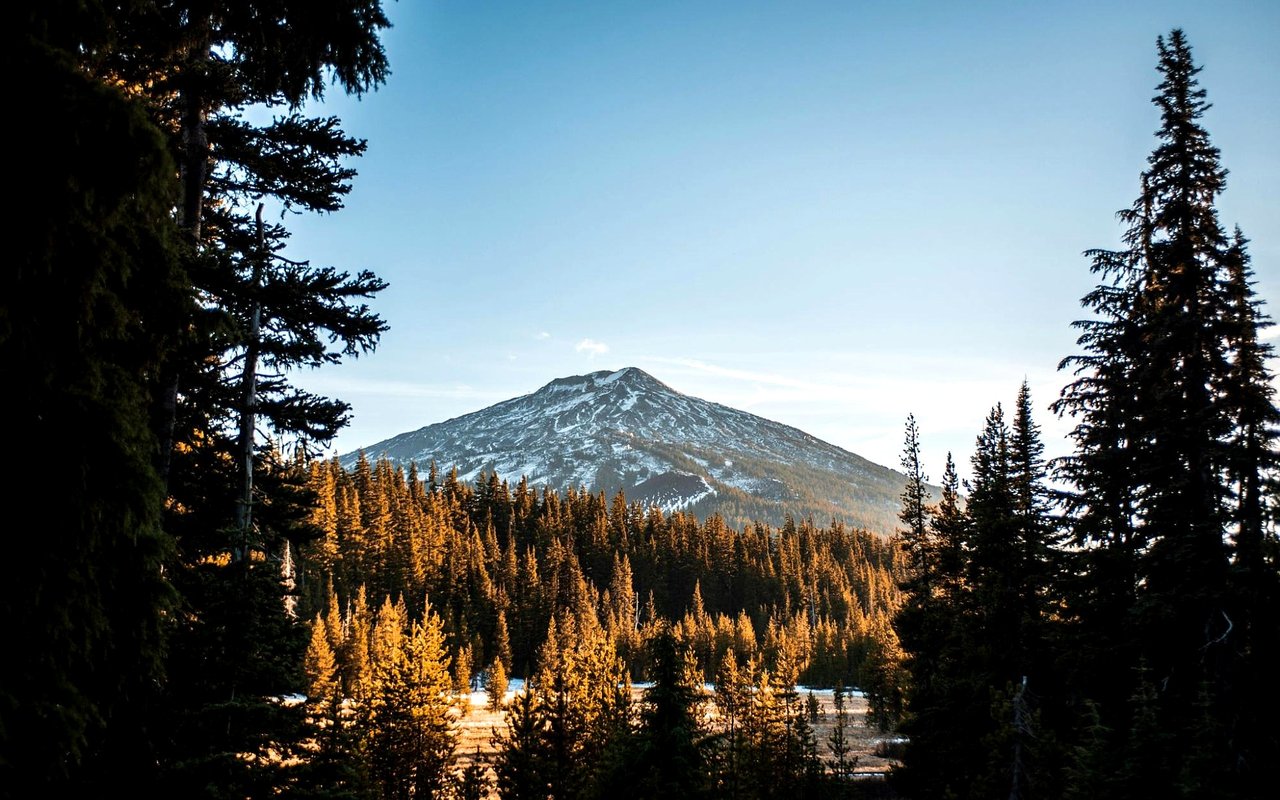
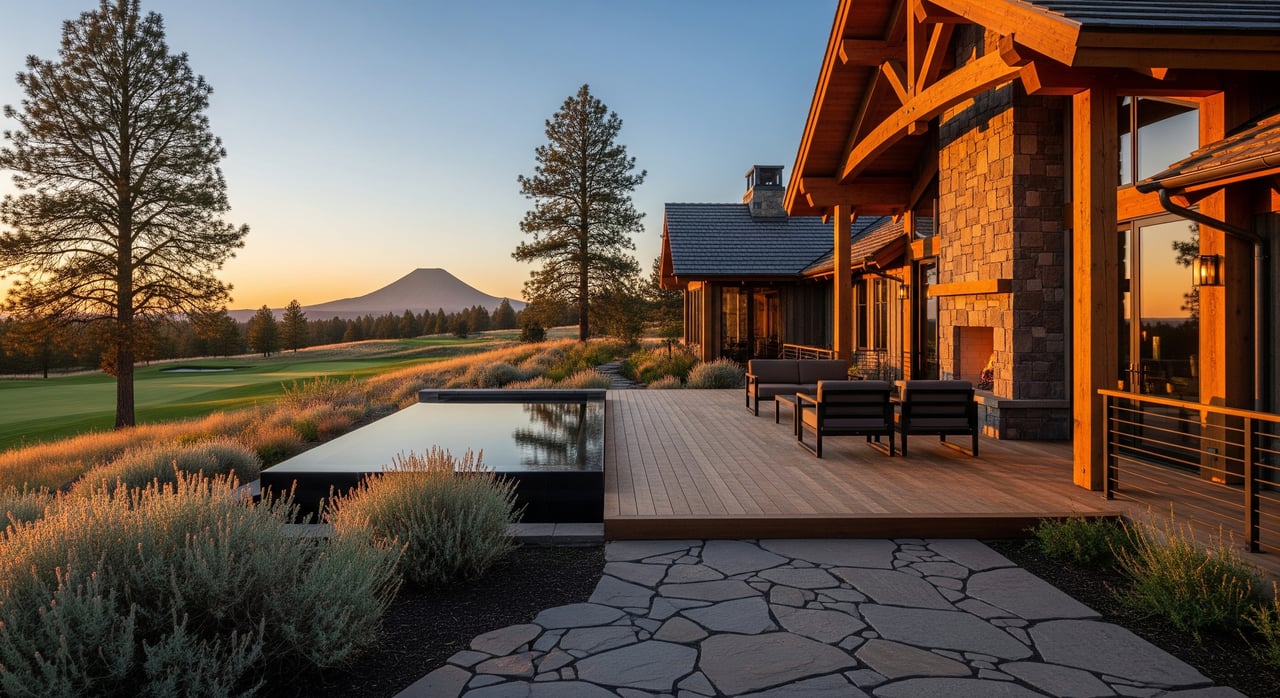
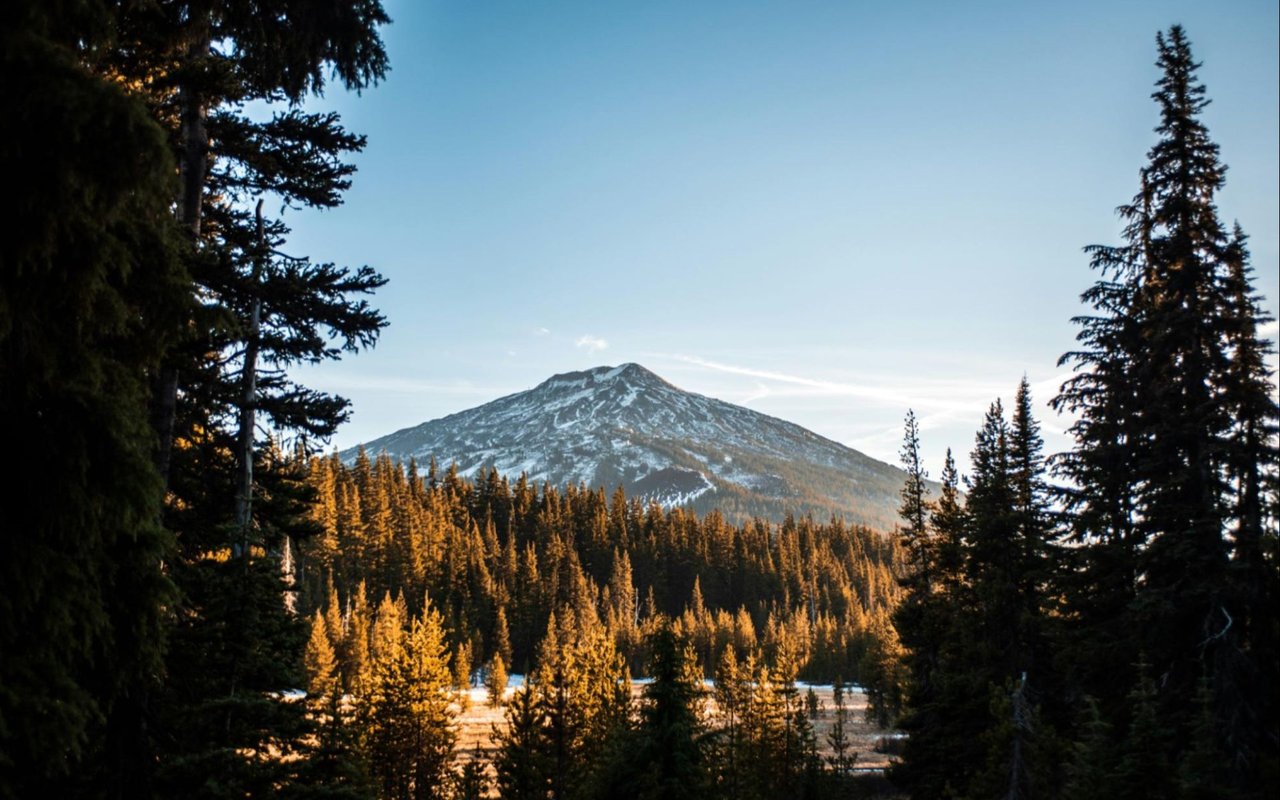
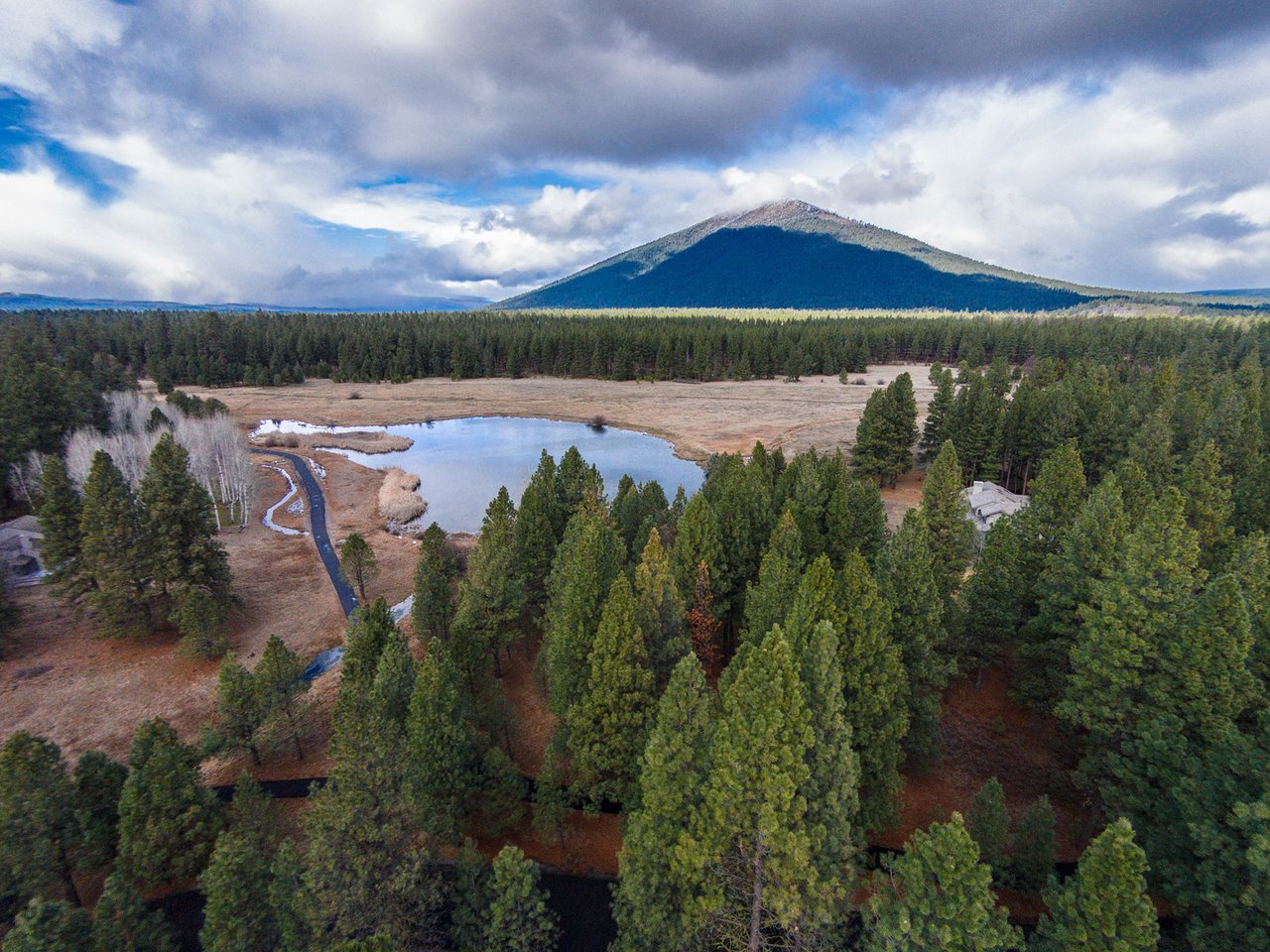
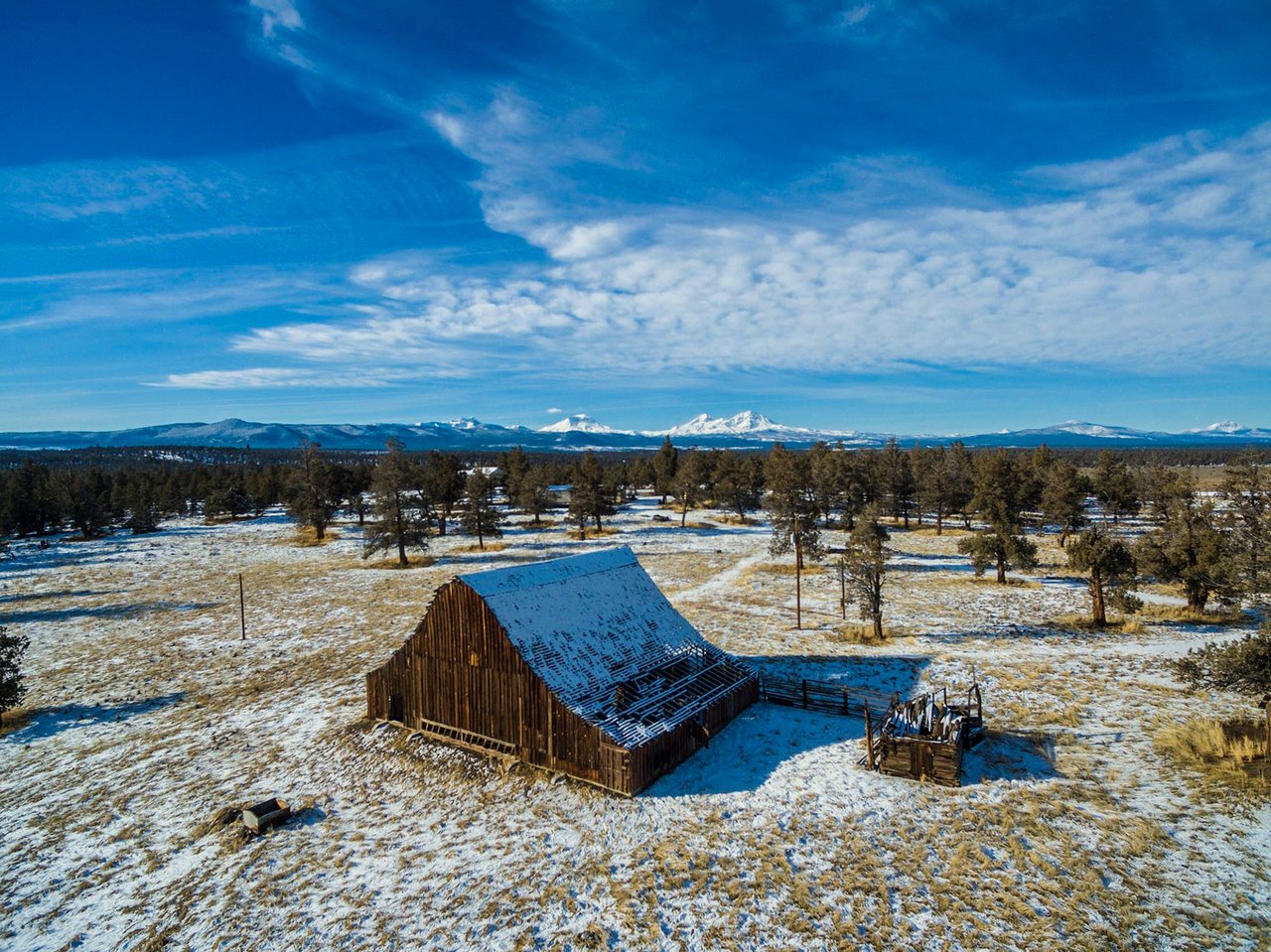
Redmond occupies central Oregon's high desert plateau at 3,077 feet elevation, positioned 15 miles north of Bend, 130 miles southeast of Portland, and 160 miles east of Eugene. The city boundaries extend roughly from Highway 97 (the north-south corridor connecting California to Washington) westward toward the Deschutes River, with newer developments spreading north and east into juniper-dotted terrain. The Cascade Mountains rise dramatically 30 miles west, anchored by Mount Bachelor, Three Sisters, and Mount Jefferson, creating a striking visual backdrop.
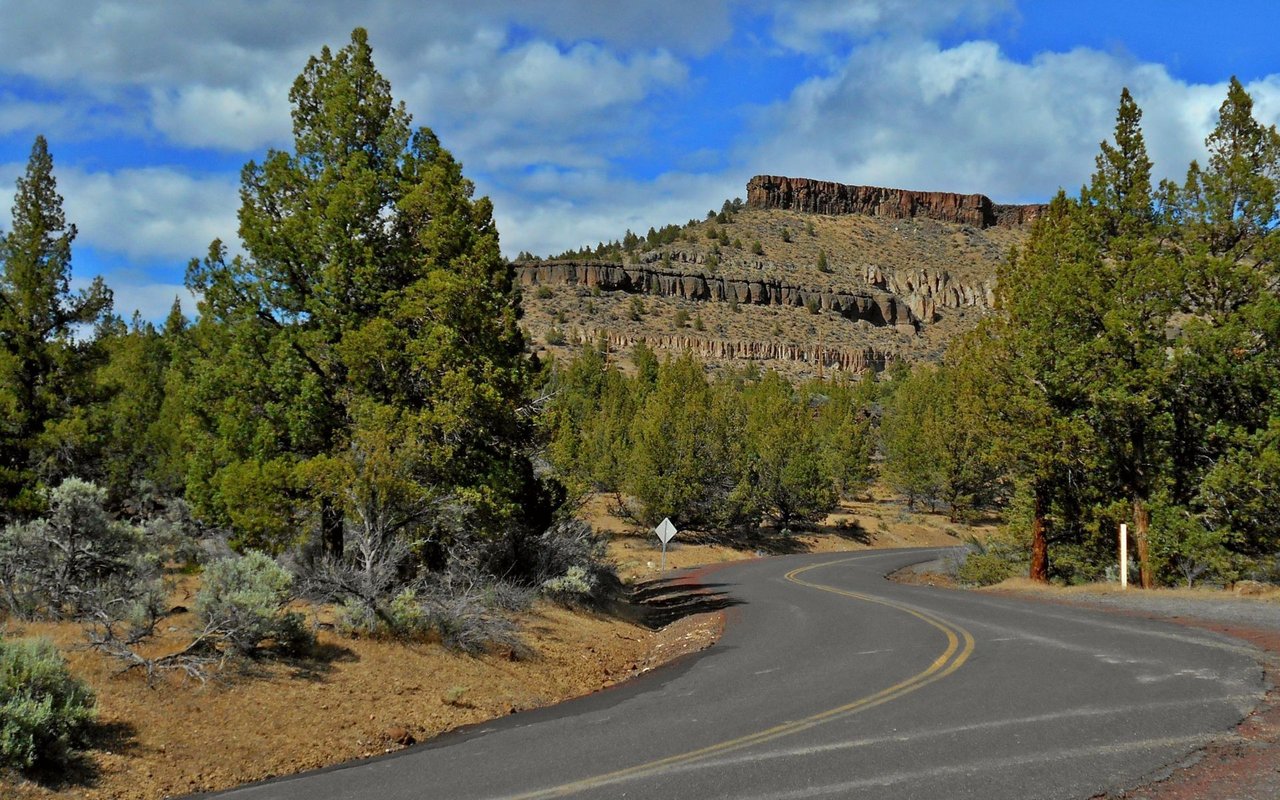
The landscape features classic high desert characteristics: volcanic soil, sparse precipitation averaging 9 inches annually, sagebrush and juniper ecosystems, and dramatic temperature swings between seasons. Summer days regularly reach the 80s and 90s with cool evenings dropping into the 50s. Winter brings moderate snowfall (20-30 inches annually in town), with January temperatures ranging from highs in the 40s to lows in the 20s. The Deschutes River forms the western boundary, carving through basalt canyons and providing recreation corridors. Smith Rock State Park sits 10 miles northeast, offering world-renowned rock climbing and hiking against ochre-hued volcanic formations. The terrain's volcanic origins created the region's porous soil and unique geological features visible throughout the area.
Redmond's real estate market in early 2025 demonstrates moderation after the explosive 2020-2022 appreciation cycle. Median single-family home prices hover around $550,000-$600,000, representing approximately 20-25% below comparable Bend properties. Homes typically spend 30-45 days on market, reflecting balanced conditions rather than the bidding war frenzy of recent years. Inventory has normalized to roughly 2-3 months of supply, allowing buyers reasonable time for due diligence while sellers still experience relatively quick absorption for appropriately priced properties.
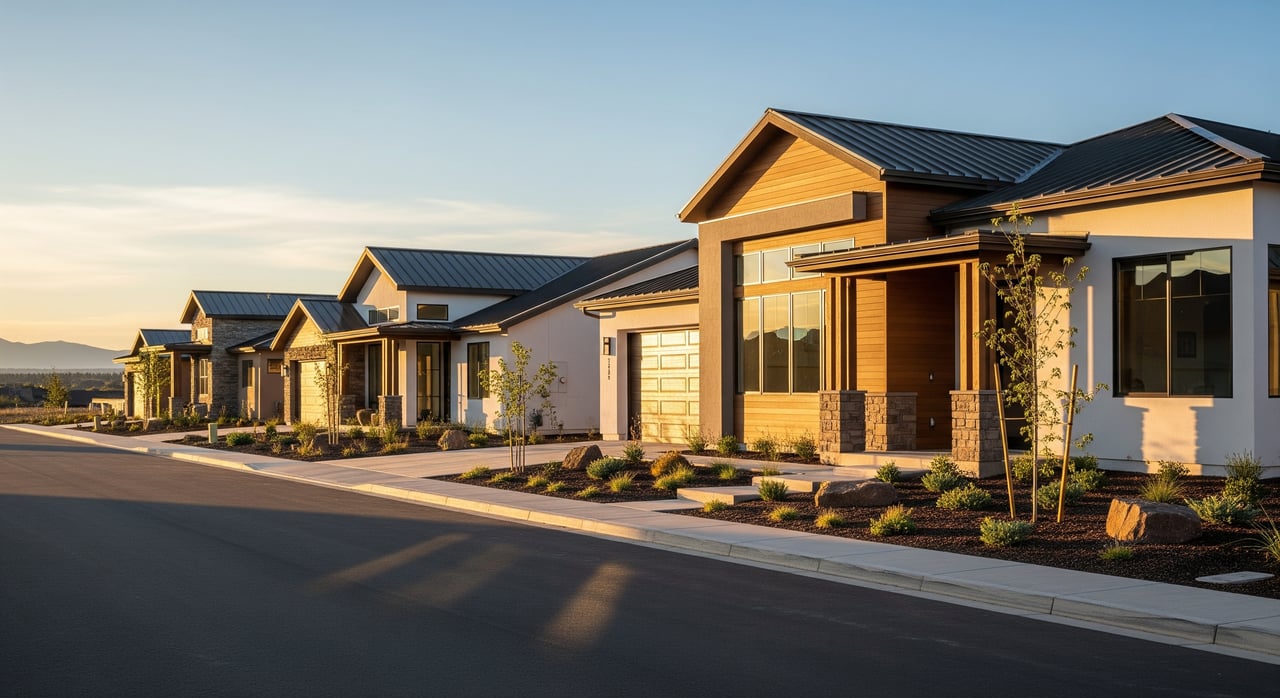
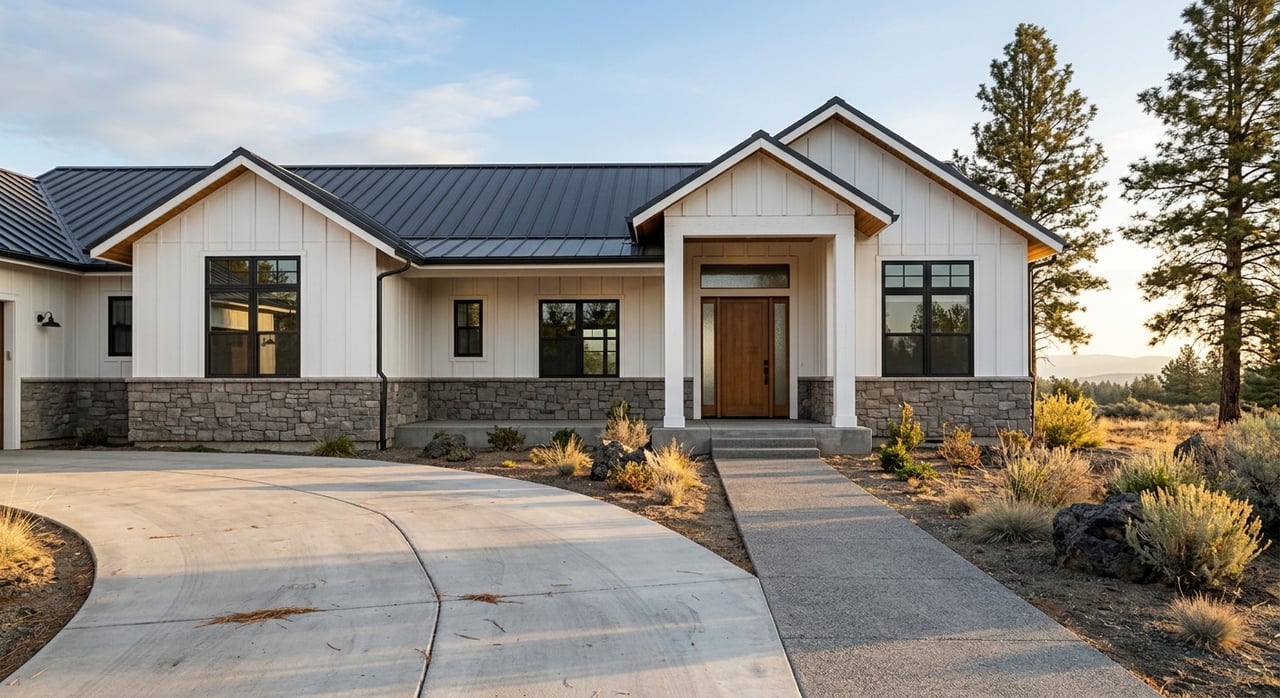
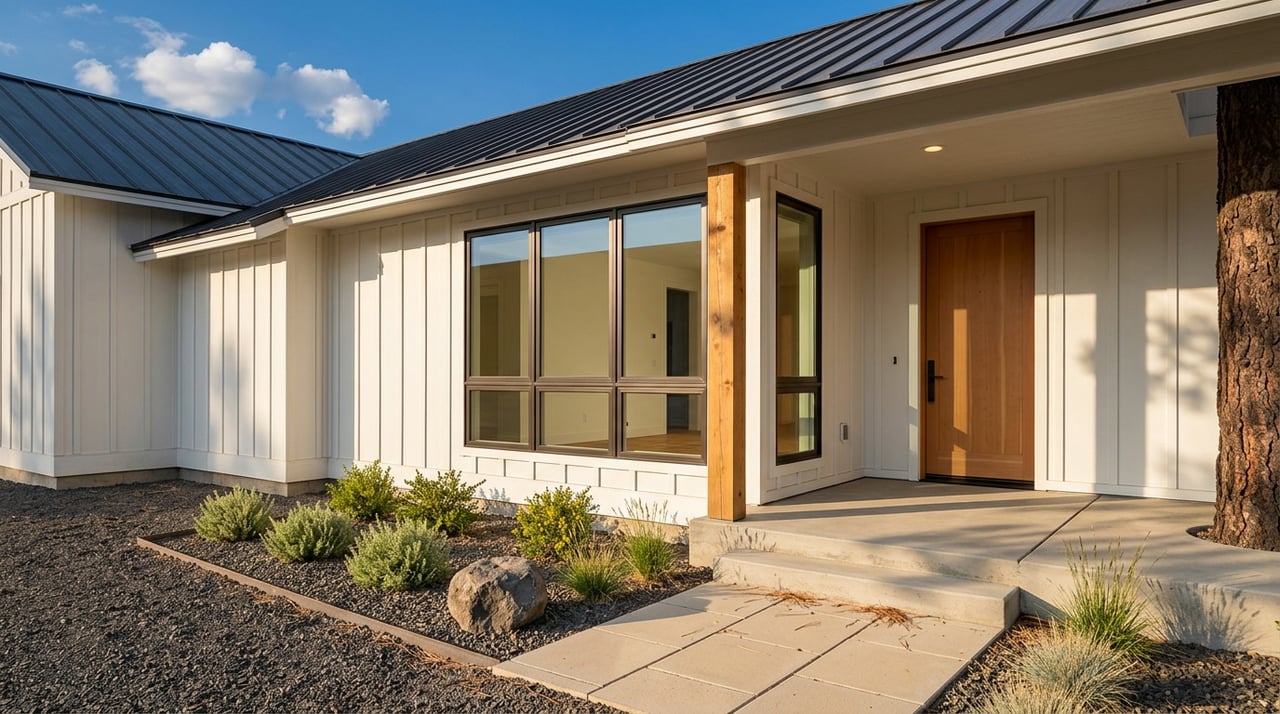
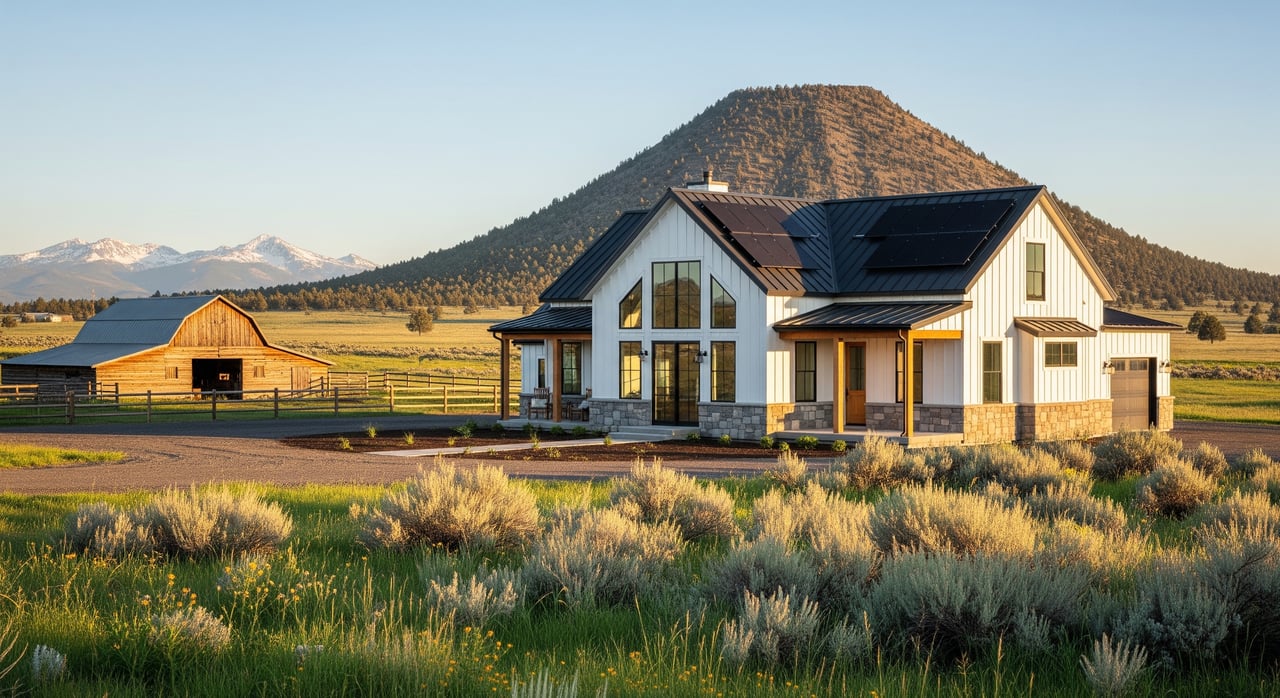
Appreciation trends show stabilization following years of double-digit annual increases, with current year-over-year growth in the 3-5% range. New construction remains active, particularly in northeast and northwest sectors where developers target the $500,000-$750,000 range with modern craftsman and contemporary farmhouse styles on quarter-acre lots. The under-$500,000 segment sees the most competition, driven by first-time buyers and families relocating from higher-cost markets. Luxury properties above $1 million exist primarily in gated communities like Brasada Ranch and Pronghorn, though inventory remains limited compared to Bend's established luxury market. Interest rate fluctuations significantly impact affordability calculations, making monthly payment analysis more critical than purchase price alone when evaluating value.
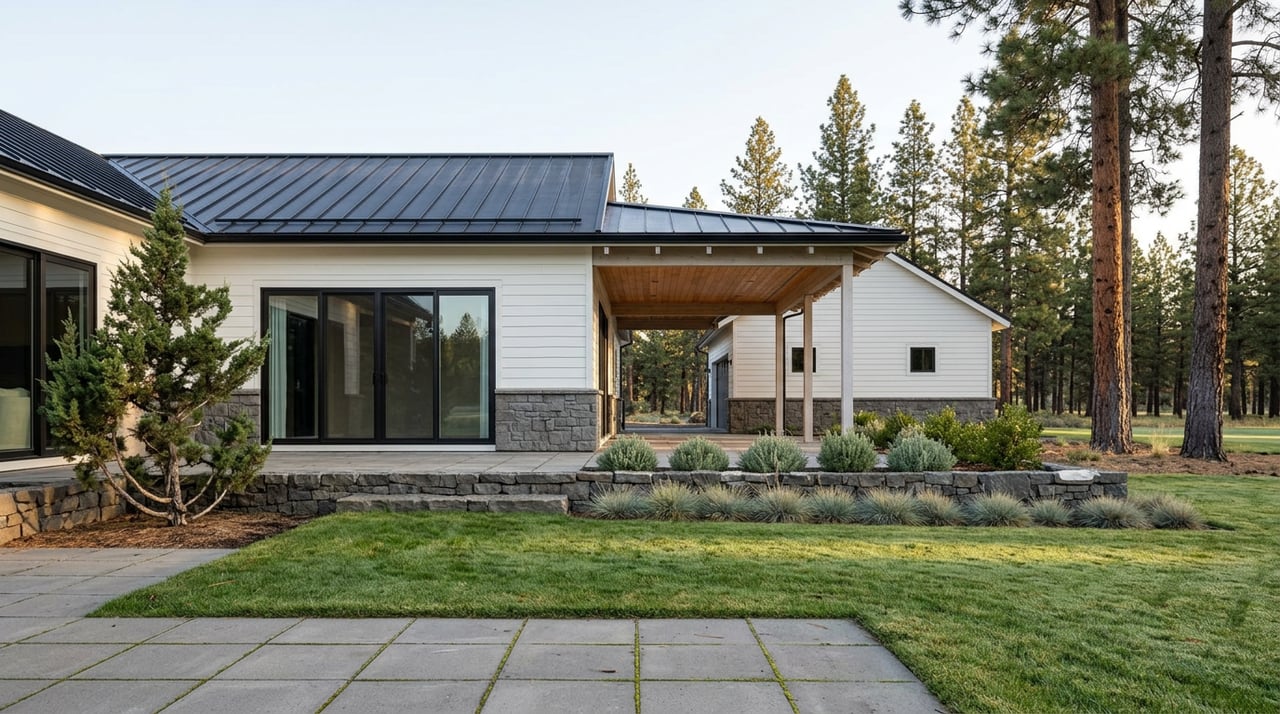
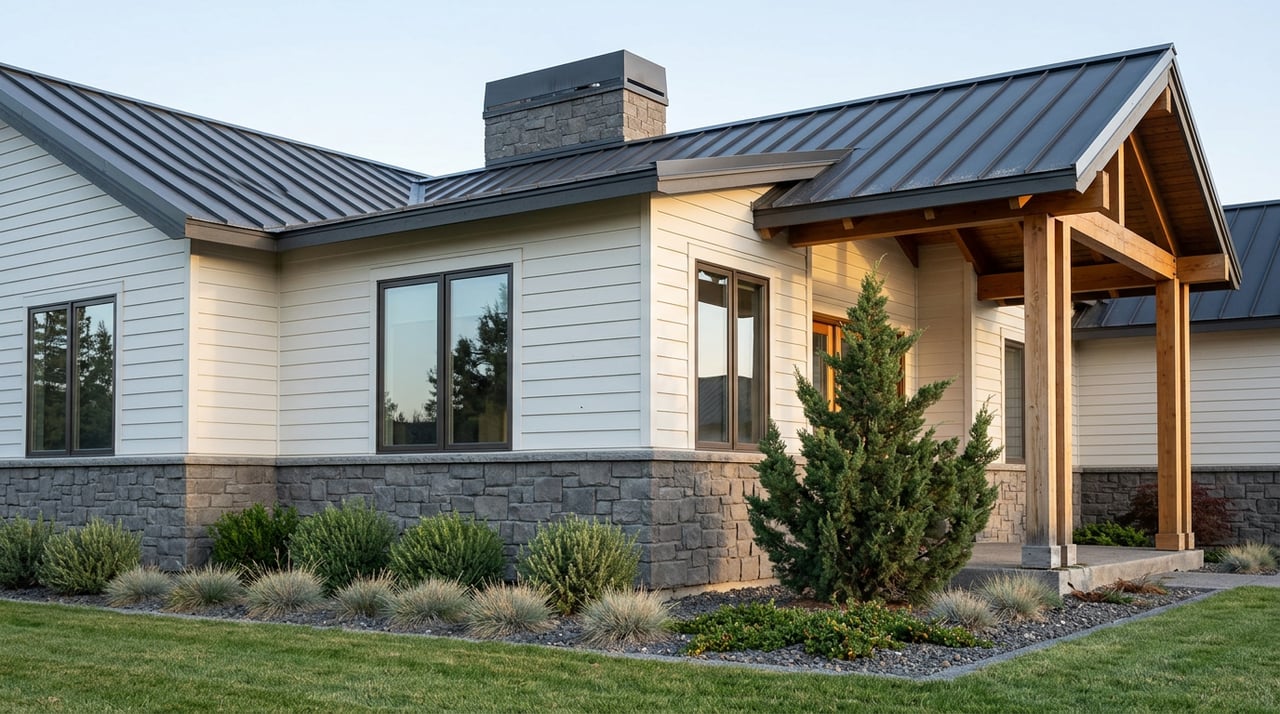
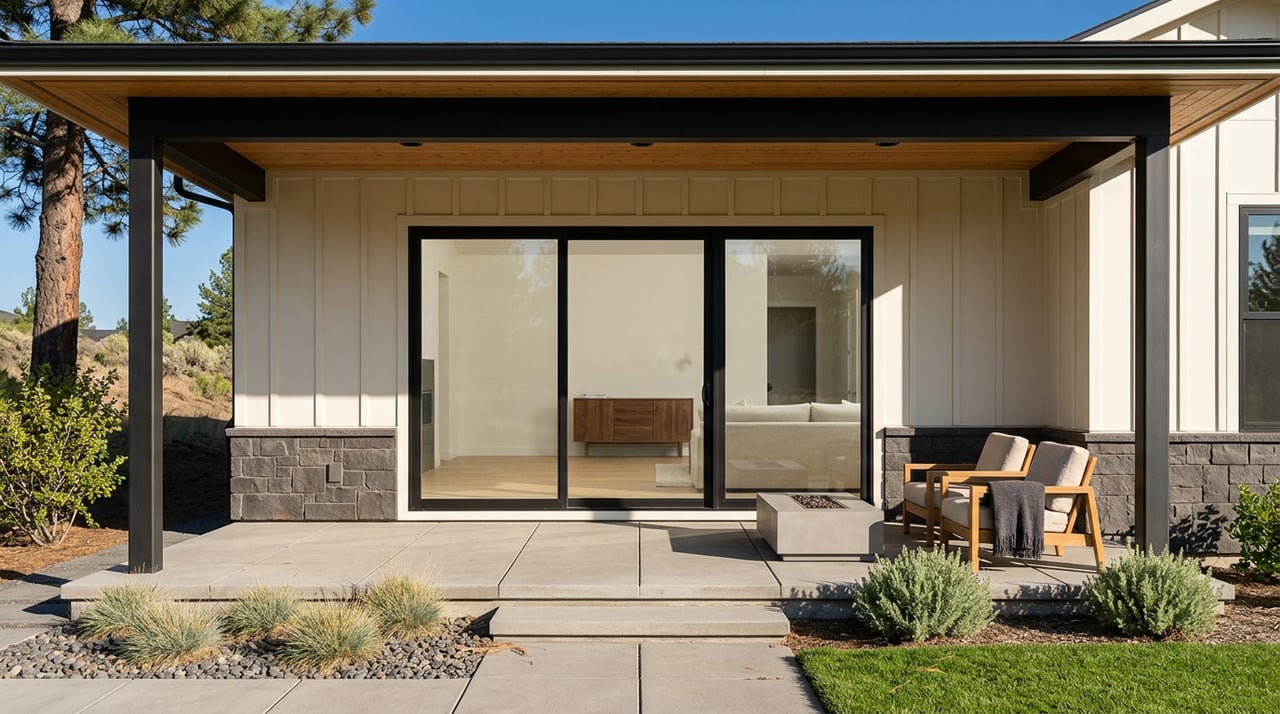
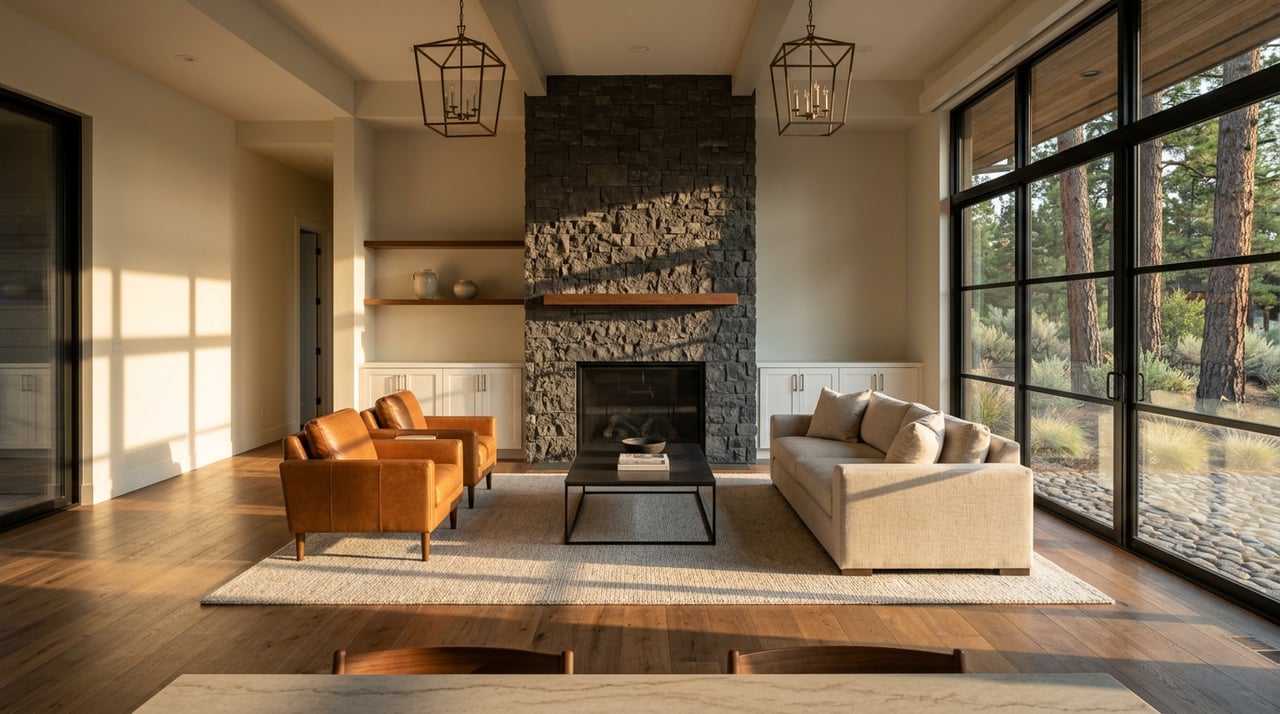
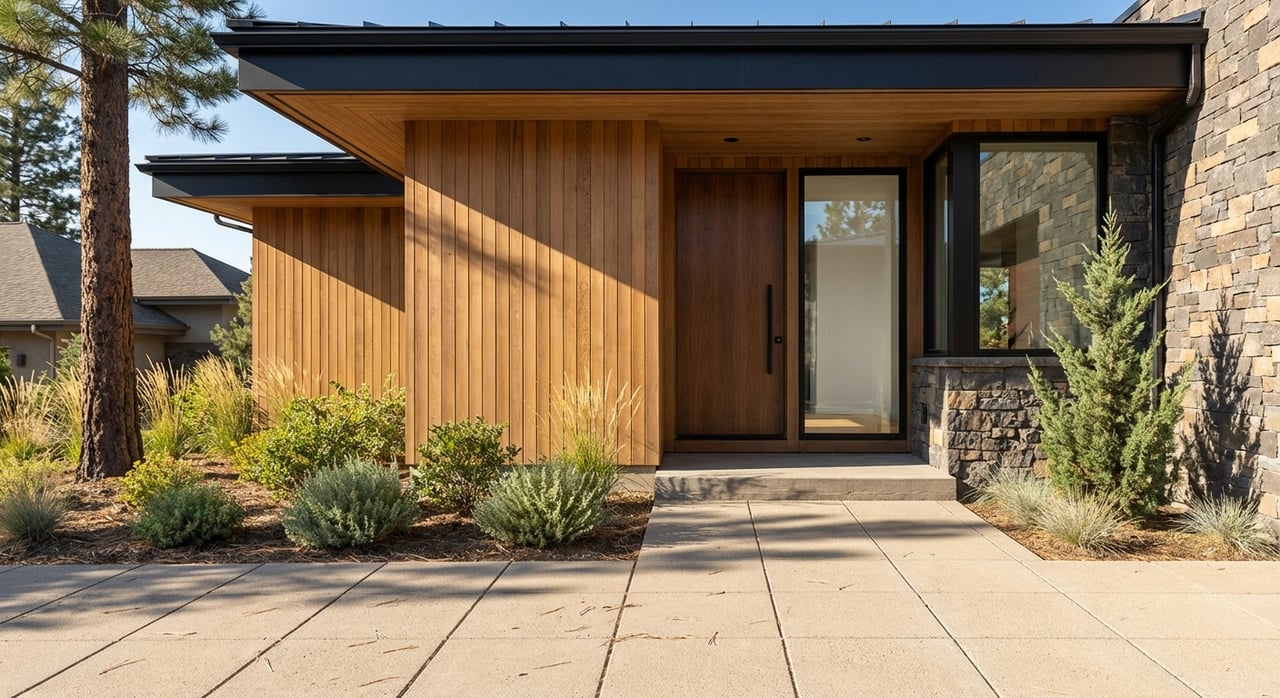
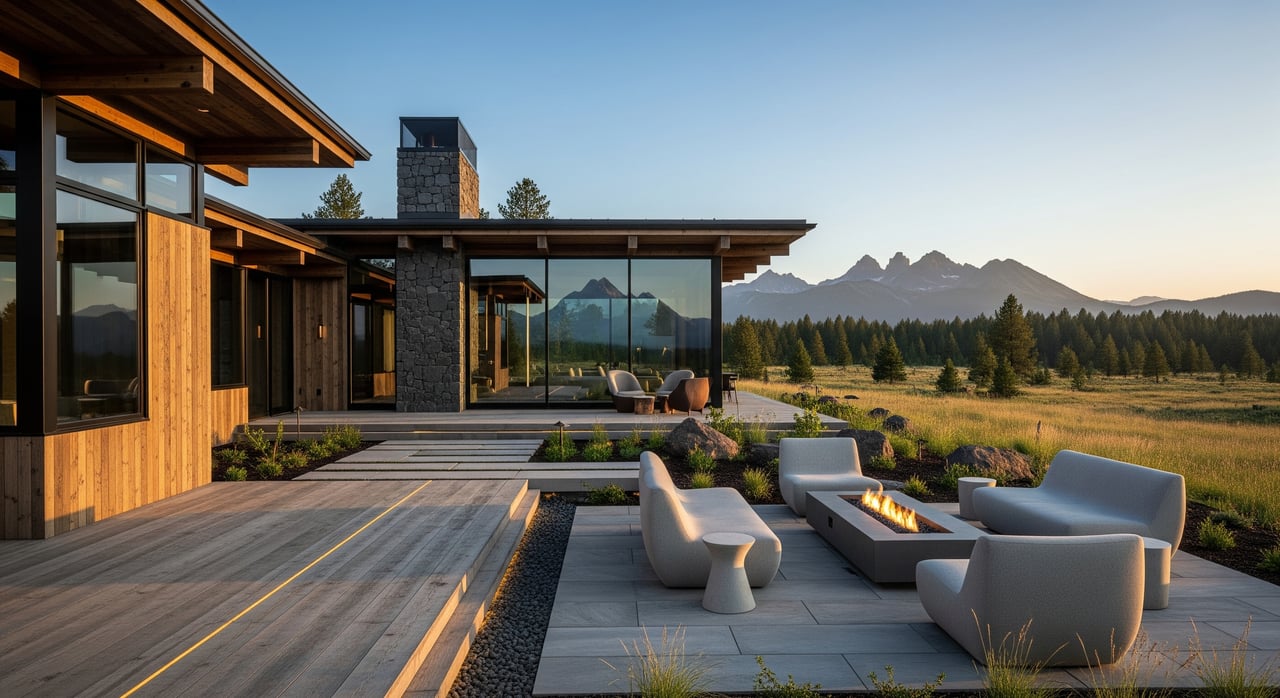
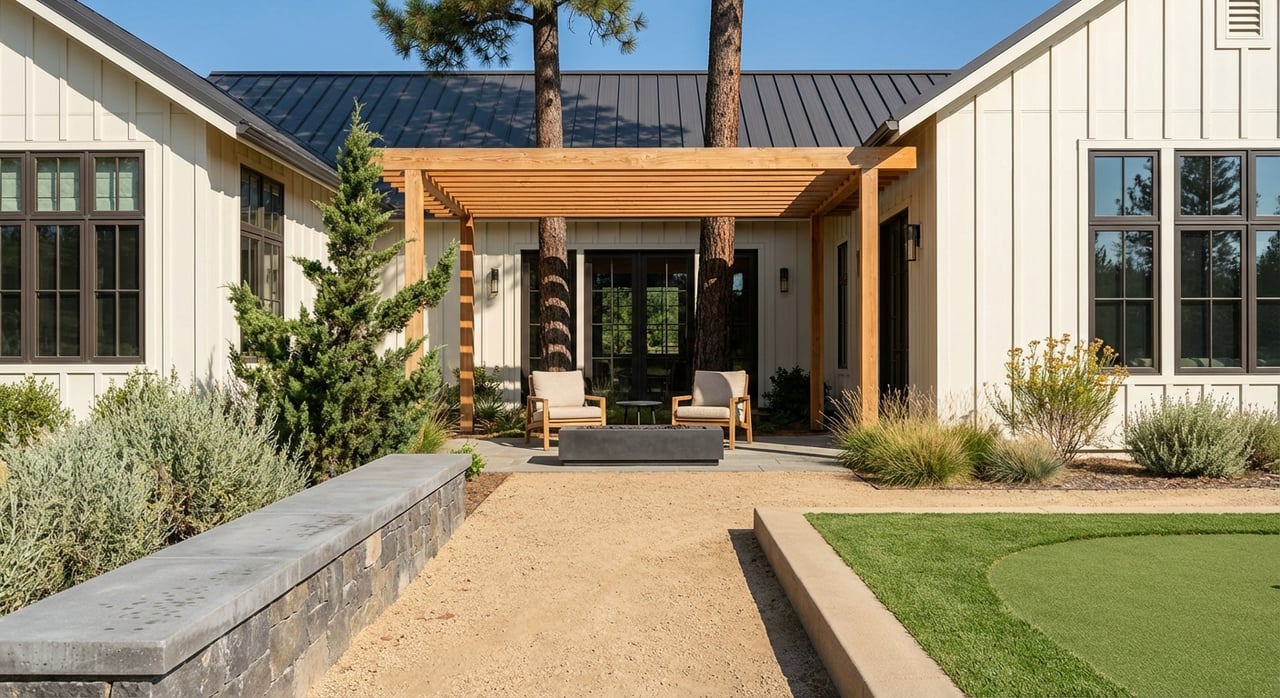
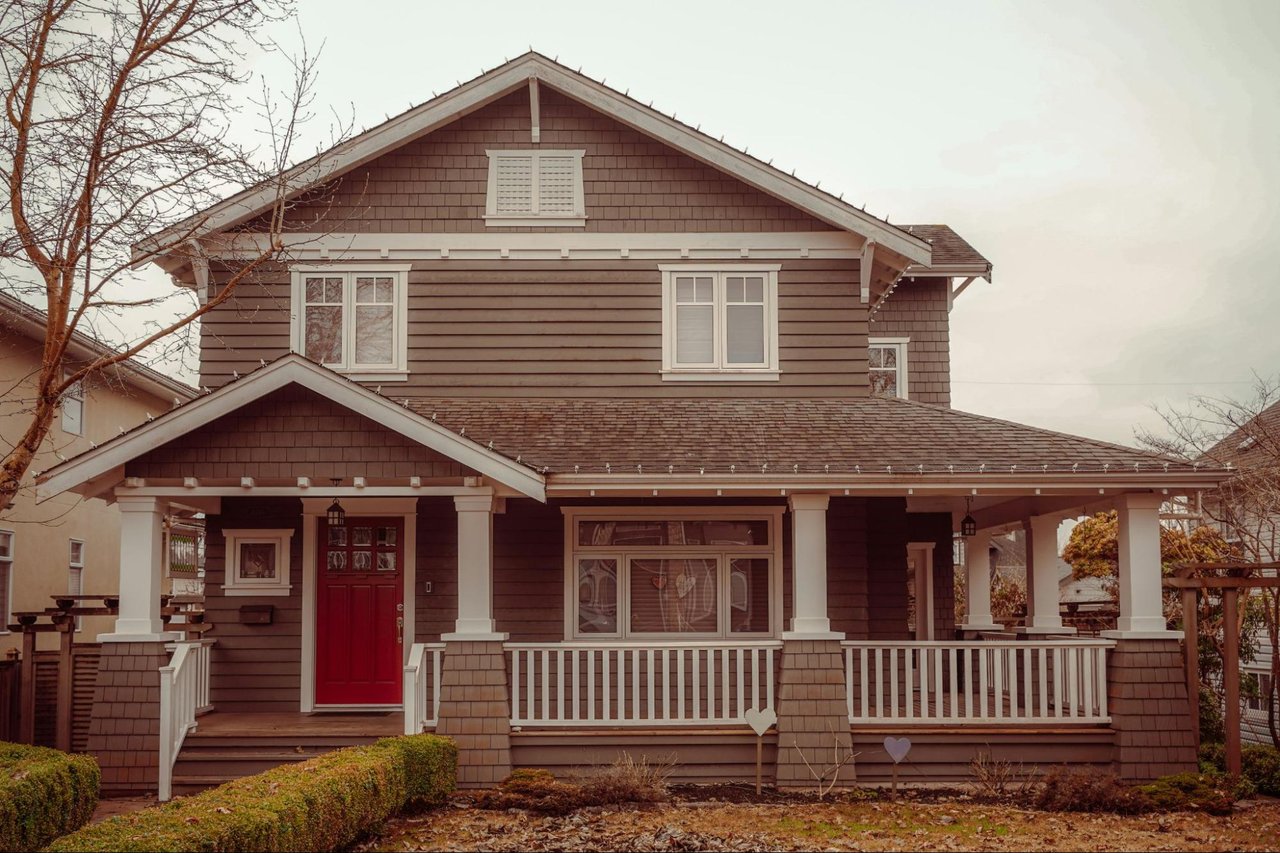
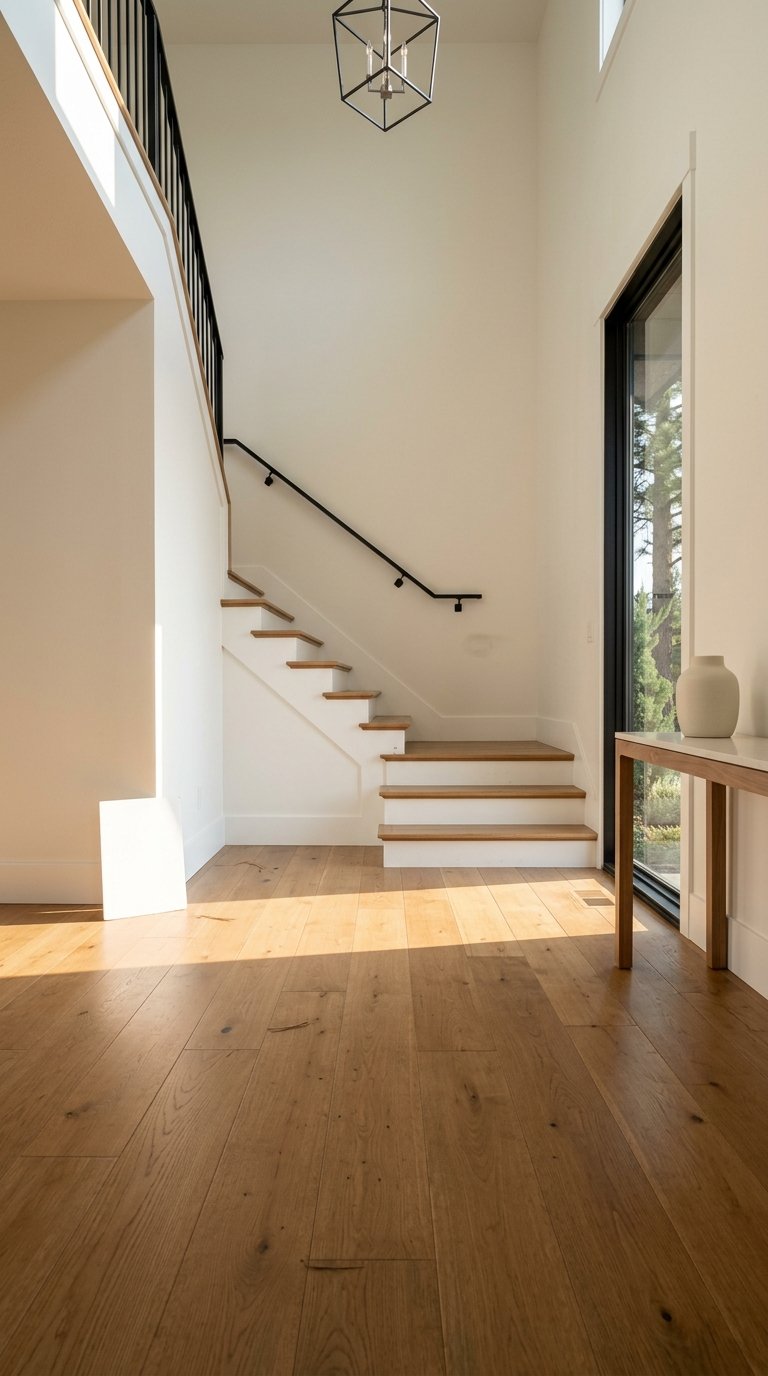
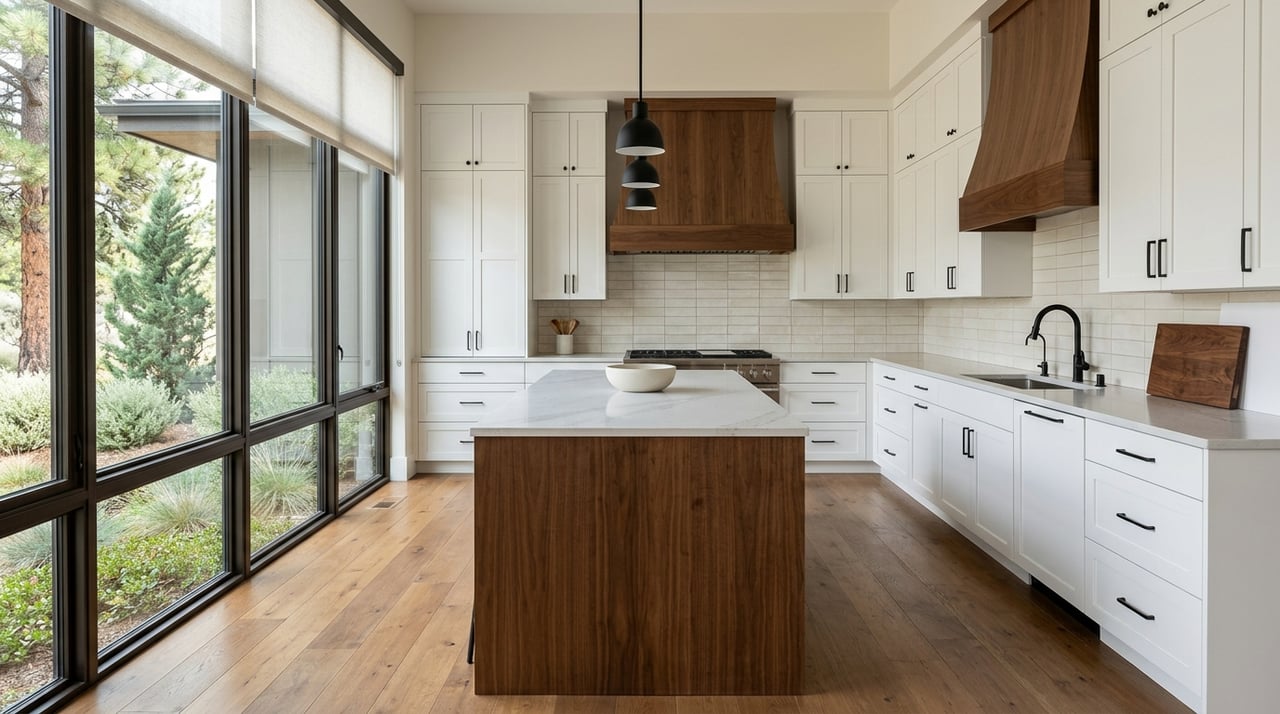
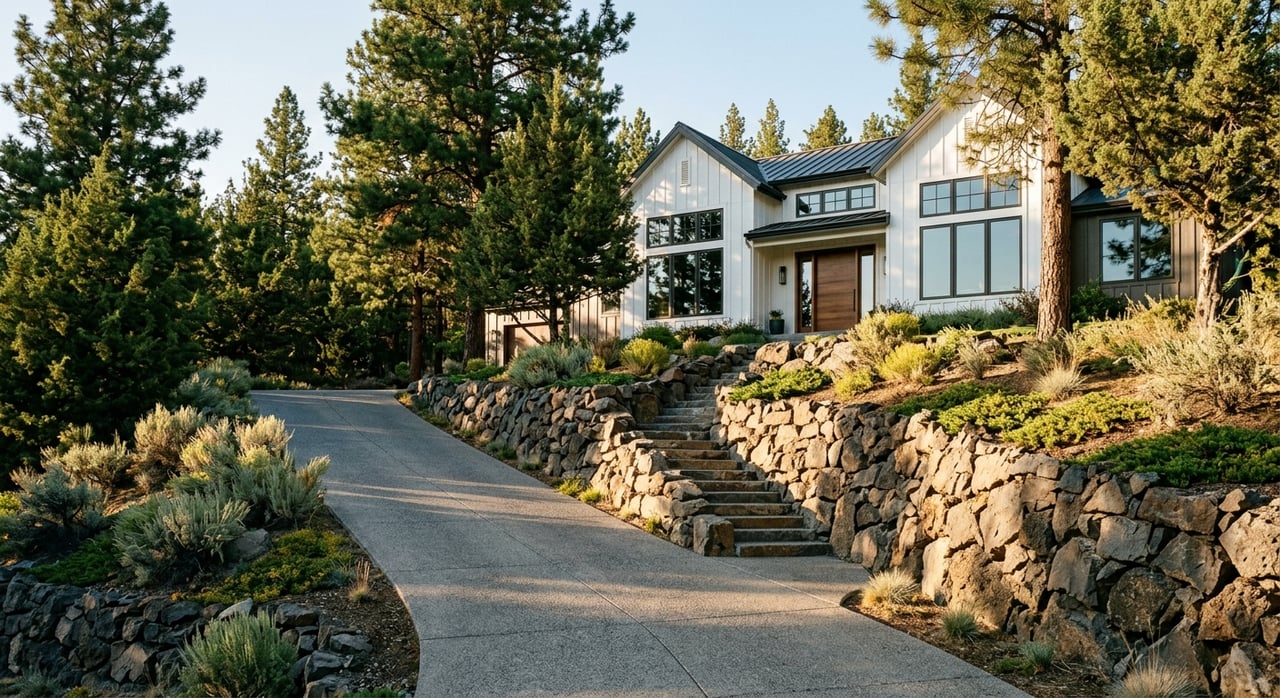
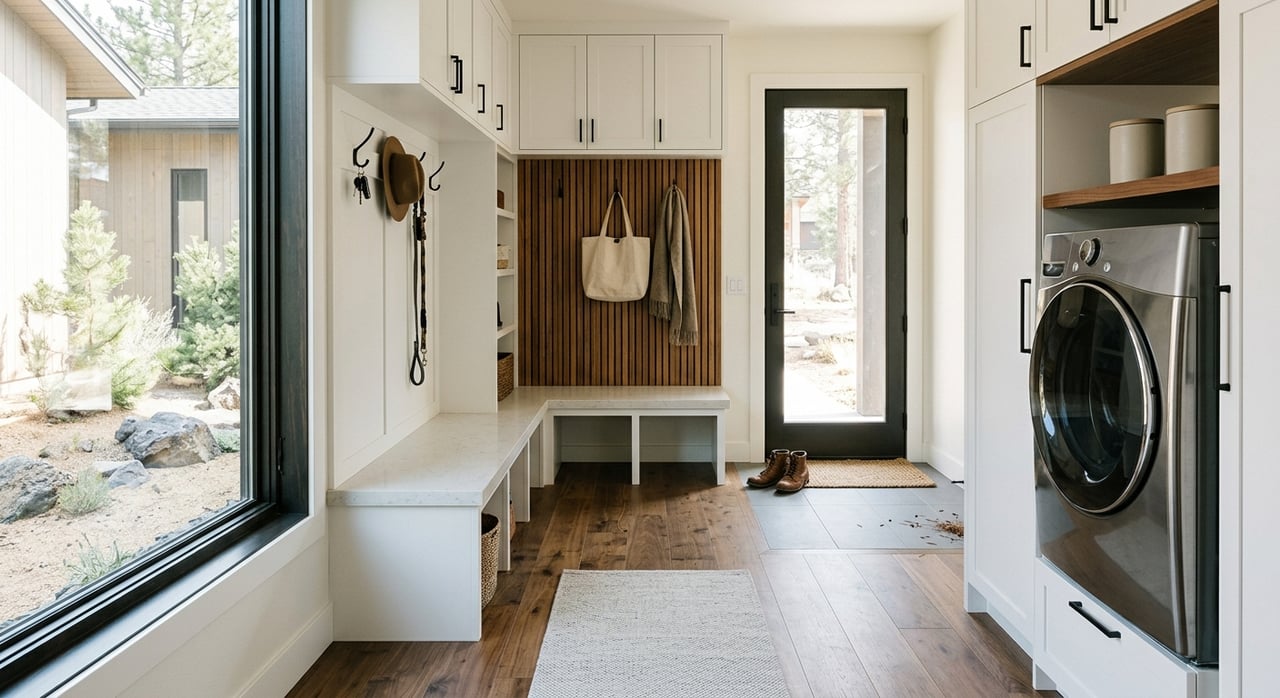
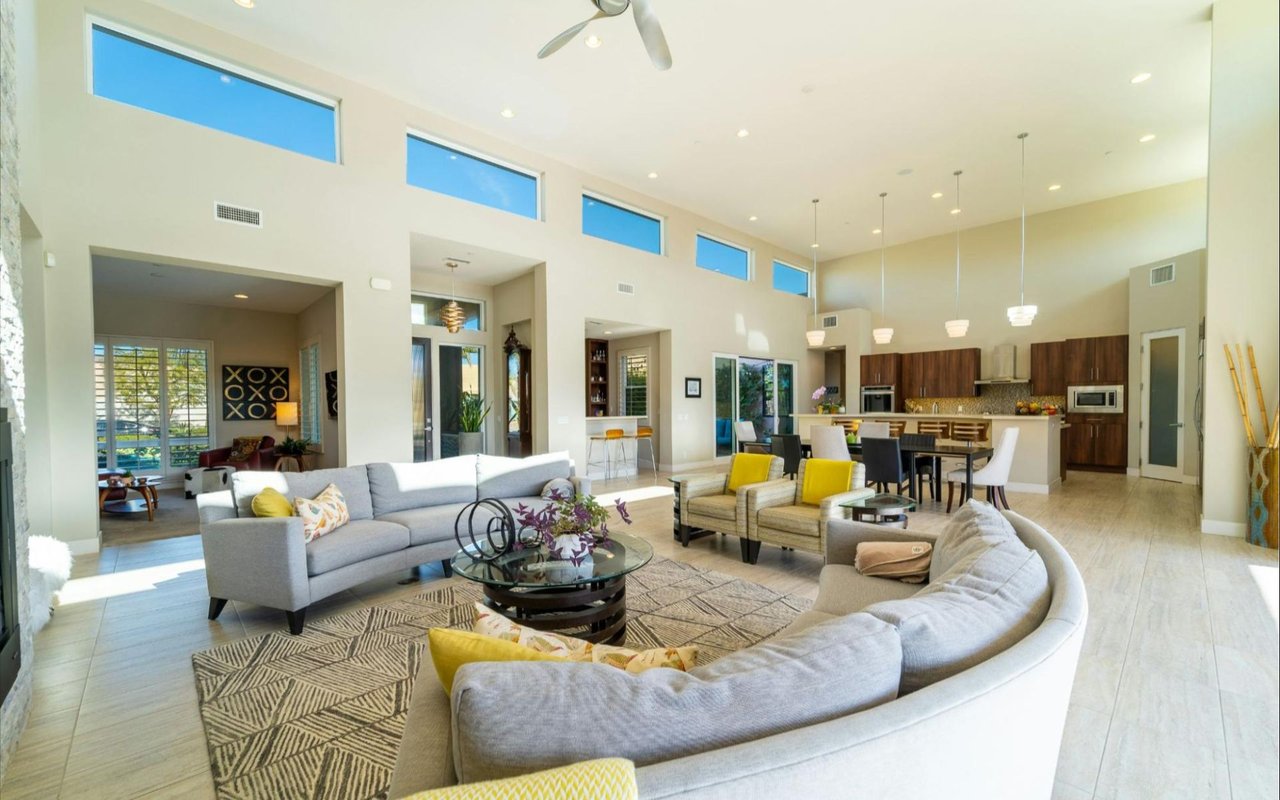
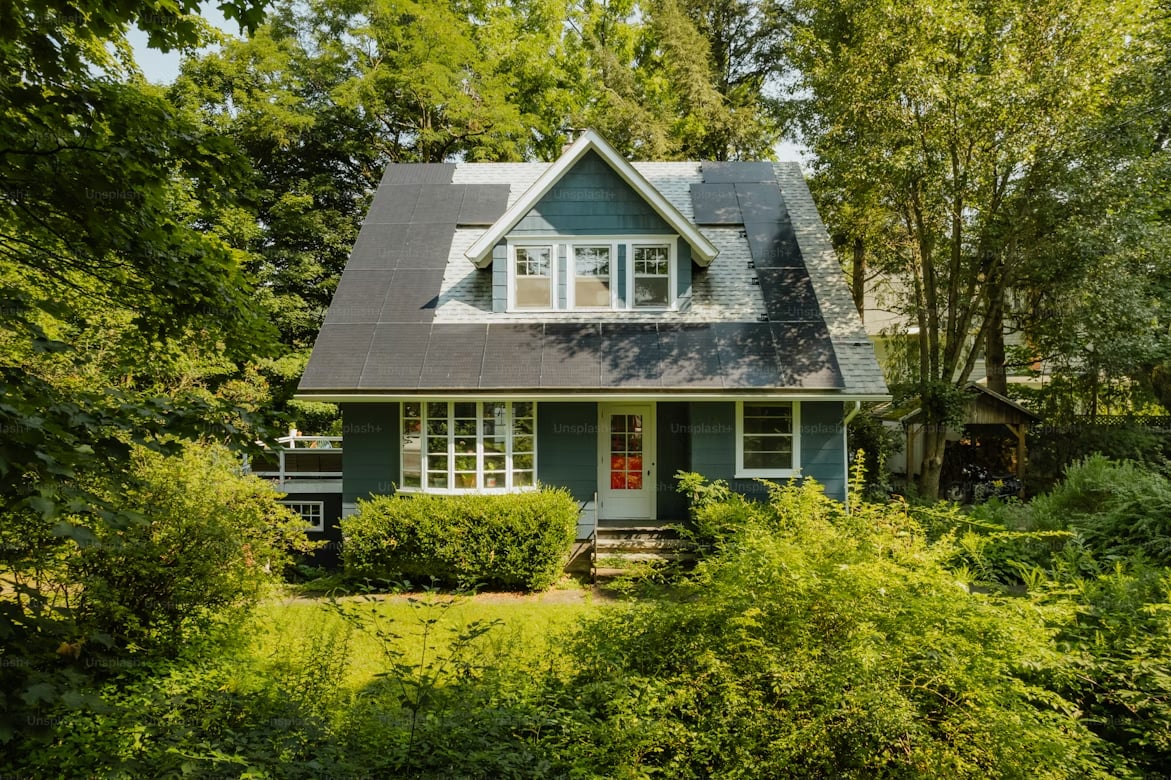
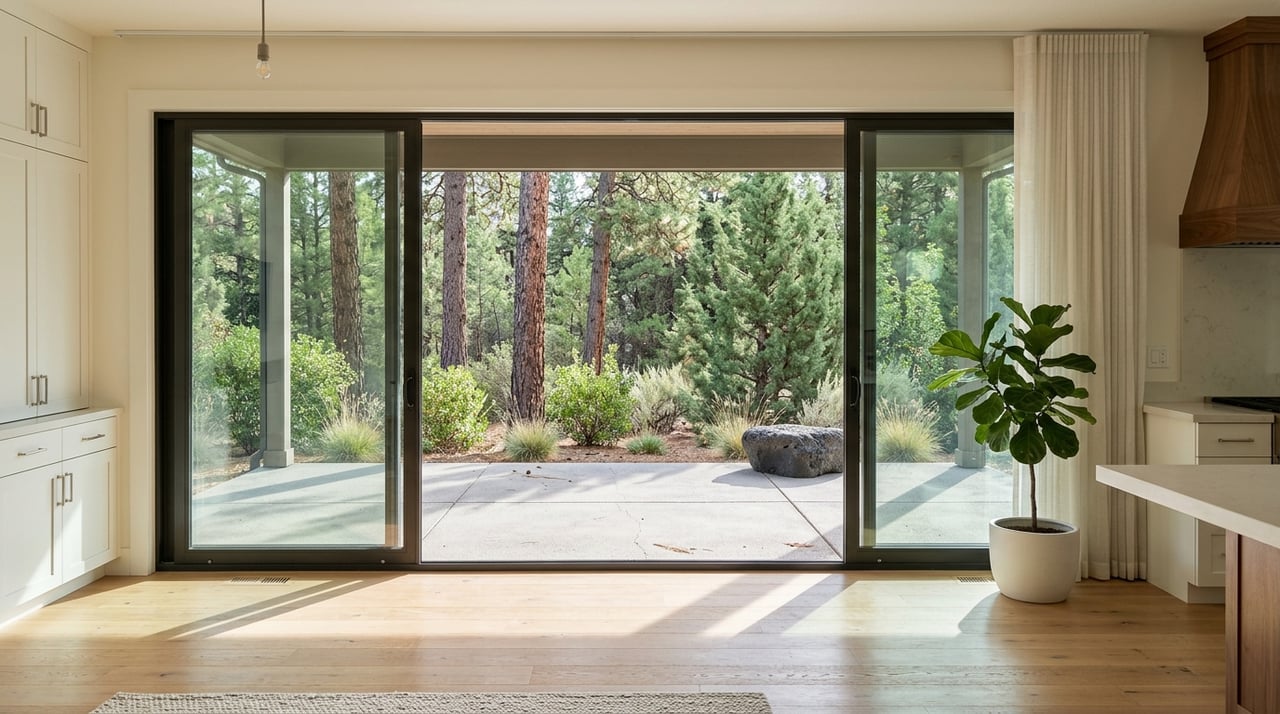
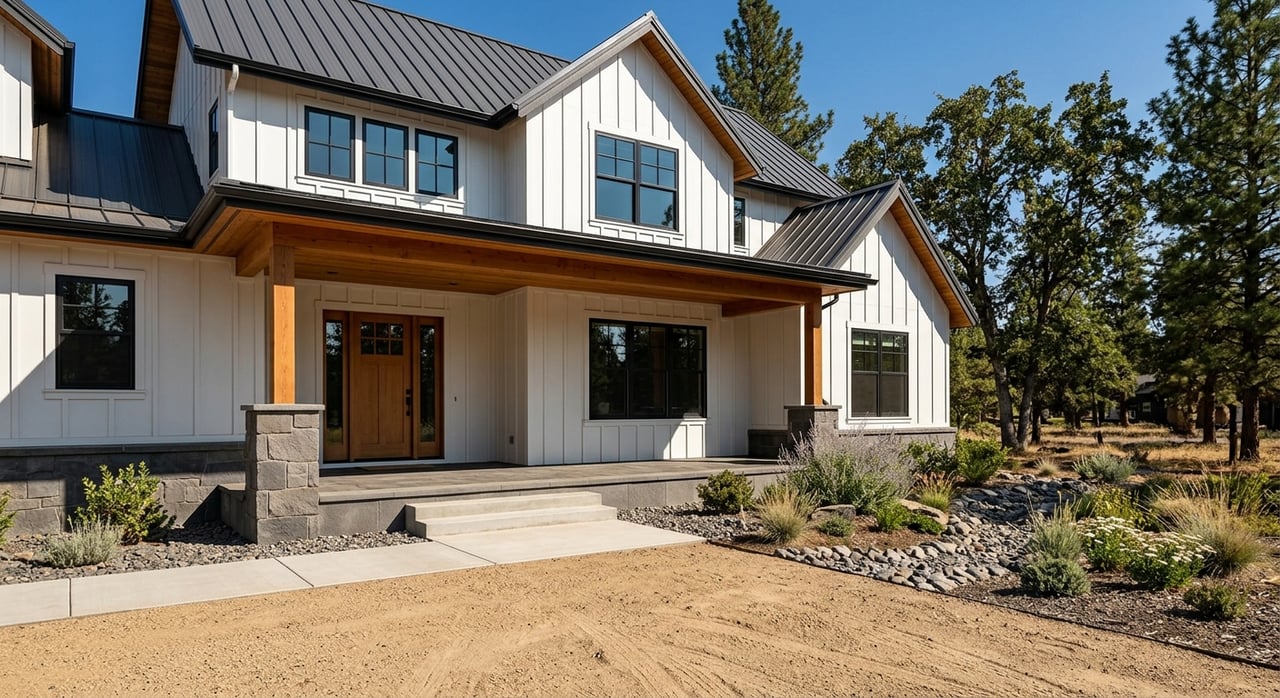
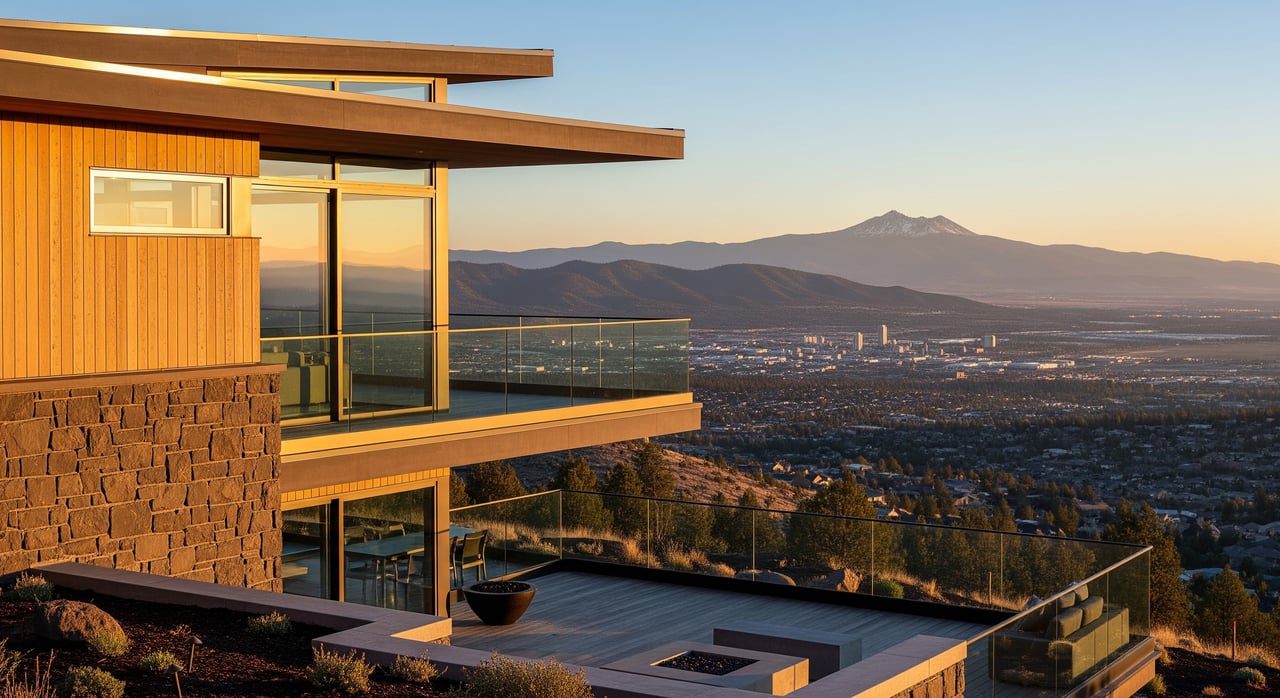
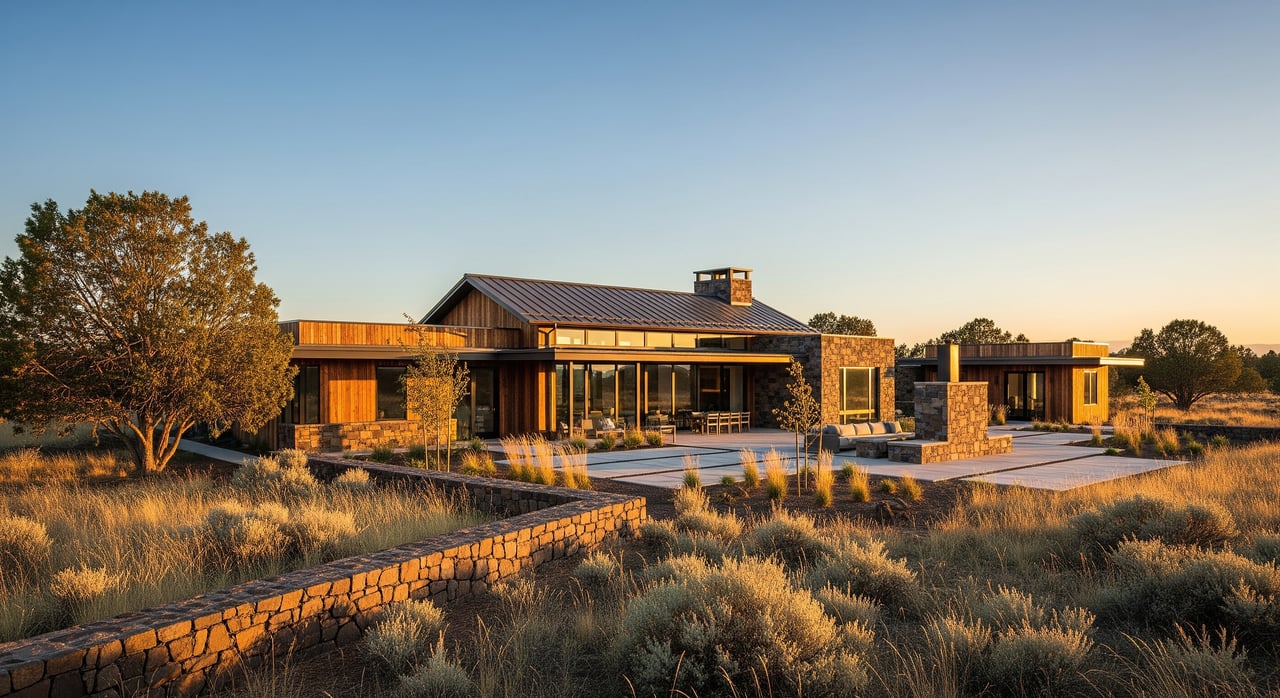
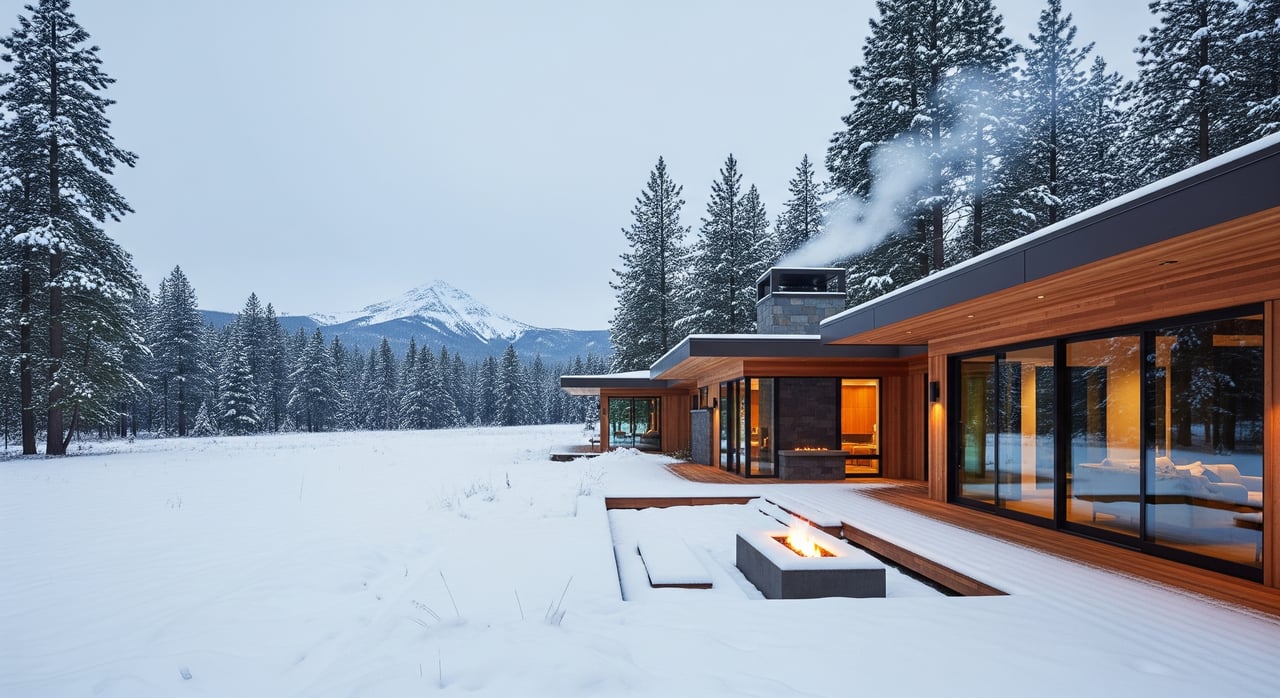
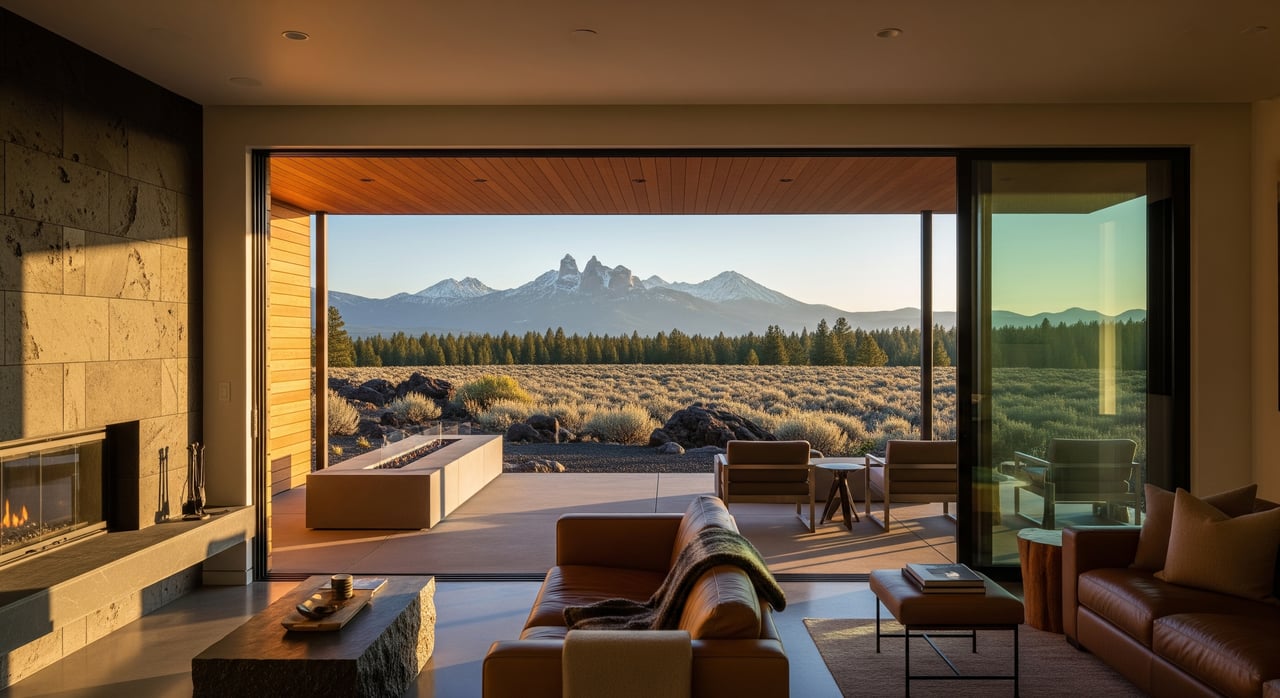
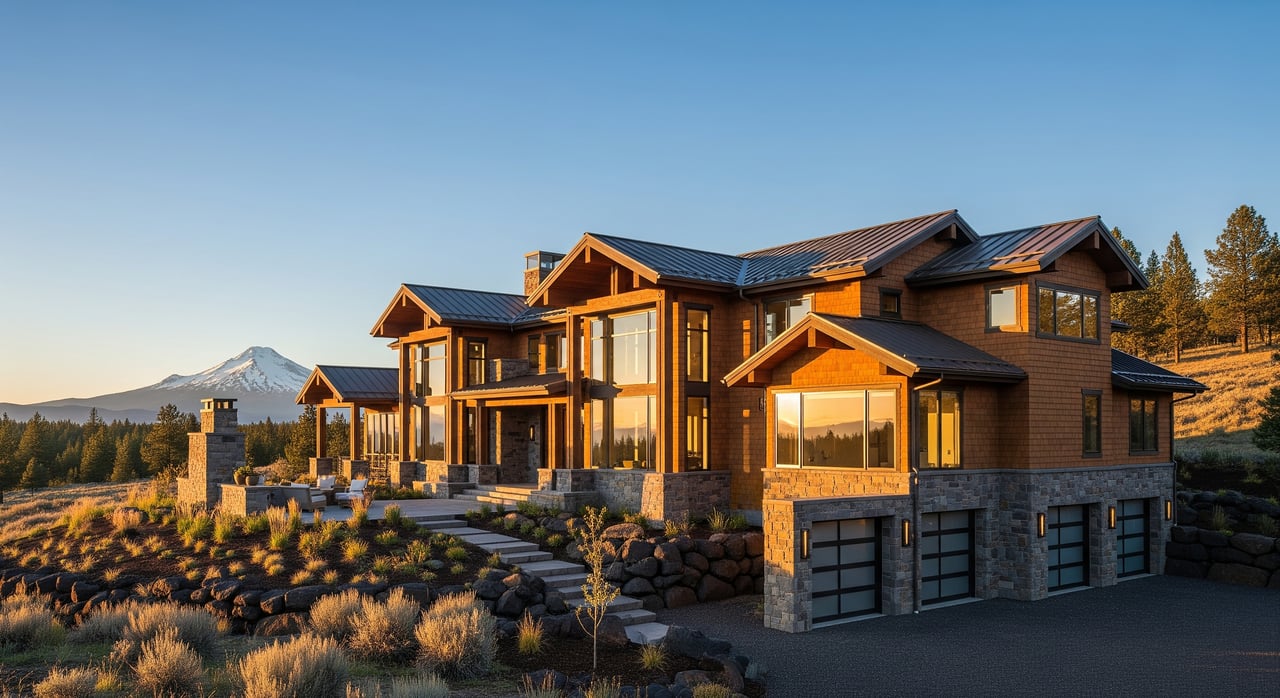
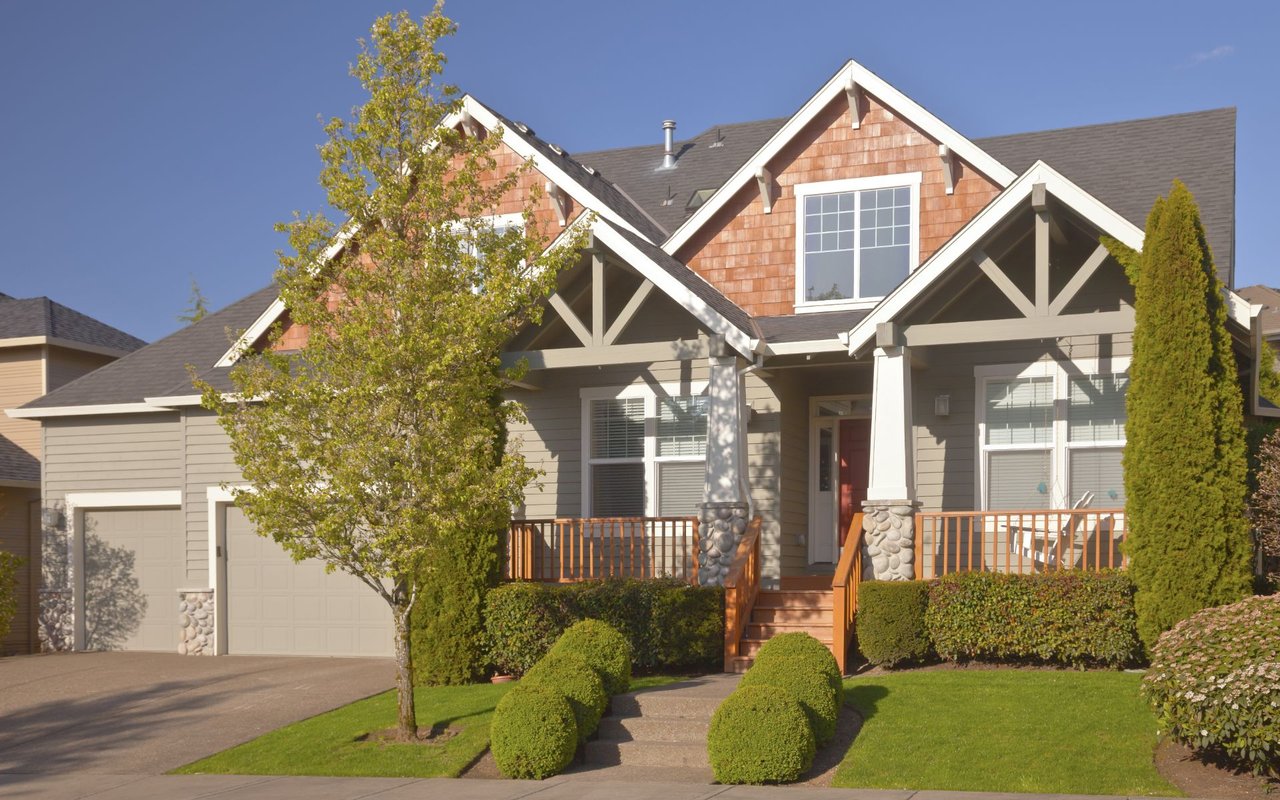
Single-family detached homes dominate Redmond's housing stock, ranging from 1970s-1980s ranch-style properties in central neighborhoods to contemporary new builds in expanding subdivisions. Typical homes offer 1,500-2,500 square feet on lots between 5,000-12,000 square feet, though newer developments increasingly feature larger homes on smaller lots maximizing density. Architectural styles span mid-century ranches, craftsman revivals, contemporary farmhouse designs, and mountain modern aesthetics with mixed materials and abundant windows capturing Cascade views.
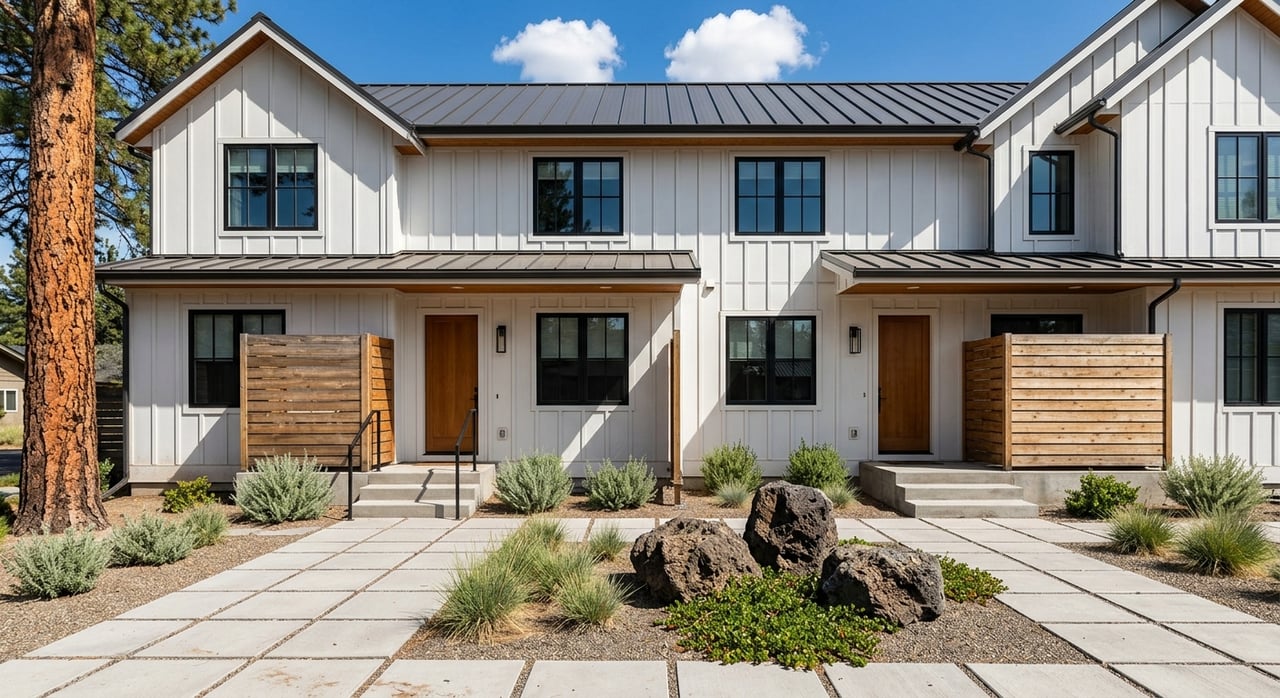
Townhomes and condominiums provide entry-level options, concentrated near downtown and along Highway 97 commercial corridors, typically ranging $300,000-$450,000. These properties attract first-time buyers, downsizing retirees, and second-home owners seeking lock-and-leave convenience. Luxury developments like Brasada Ranch and Pronghorn Resort offer custom estates, golf course properties, and resort amenities, with homes starting around $1 million and extending beyond $3 million for premium locations and finishes.
Older inventory in established neighborhoods features 1960s-1990s construction with mature landscaping, larger lots, and potential for renovation or expansion. New subdivisions north and east of downtown deliver modern floor plans, energy-efficient construction, and contemporary finishes but often sacrifice lot size and mature trees. Rural properties on the city's periphery provide acreage options, well water, and agricultural zoning, appealing to buyers seeking privacy, animal rights, and separation from suburban density. The rental market includes apartment complexes serving workforce housing needs, though single-family rental inventory remains competitive given steady population growth and limited new construction.
Water rights and well systems require careful evaluation for properties outside city limits or in older subdivisions. Some areas rely on domestic wells with varying depths and yields, while city water service commands premium pricing in newer developments. Confirm water source reliability, quality testing results, and any water-sharing agreements before closing.
Wildfire risk exists throughout Central Oregon's high desert and forest interface zones. Review defensible space requirements, fire district response times, insurance availability, and mitigation costs. Properties near juniper-dense areas or forest edges face higher premiums and potential coverage limitations. Deschutes County maintains wildfire hazard maps identifying risk zones that should inform property selection.
School boundaries shift as the district accommodates growth, particularly affecting families targeting specific elementary schools. Redmond School District serves most properties, but verify assigned schools and consider future redistricting possibilities as new developments open. Private school options exist but require tuition budgeting.
HOA structures vary dramatically between neighborhoods. Newer developments often impose $100-$300 monthly fees covering landscaping, snow removal, and amenity maintenance, while older neighborhoods may lack organized associations entirely. Golf course communities like Pronghorn carry substantially higher fees ($600-$1,000+ monthly) funding resort amenities and course maintenance. Review CC&Rs for architectural restrictions, rental limitations, and assessment increase provisions.
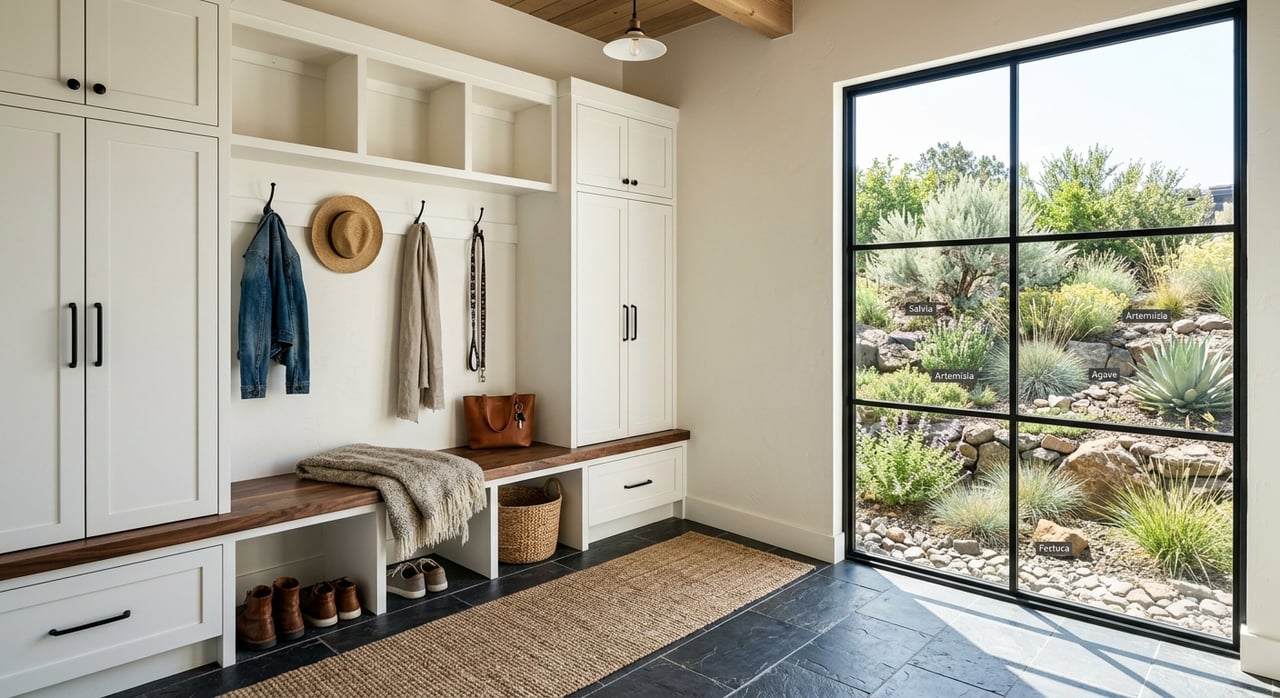
Seasonal water restrictions affect landscaping plans and property maintenance. High desert conditions and limited precipitation make irrigation essential for non-native landscaping. Properties with established xeriscaping or native plantings reduce long-term water costs and maintenance demands.
Market speed currently favors thorough due diligence over rushed decisions. Home inspections should address well systems, septic functionality (if applicable), HVAC efficiency in extreme temperature swings, and roof condition given intense UV exposure. Radon testing proves important in volcanic soil regions. Title review should confirm water rights, easements, and any land use restrictions affecting future improvements.
Seasonality impacts Redmond's market with spring and early summer (April-July) generating the strongest buyer activity as families target moves before the school year and outdoor enthusiasts prioritize access to summer recreation. Winter selling remains viable given the local market's year-round activity, but expect extended marketing periods and potentially smaller buyer pools during November-February. Snowfall and holiday schedules slow showing traffic, though serious buyers remain active.
Pricing strategy requires hyper-local comparative analysis rather than applying Bend benchmarks. Properties priced 5-10% below perceived value often generate multiple offers and faster absorption, while aggressive pricing extends market time and invites lowball offers. Appraisal accuracy concerns persist in rapidly developed areas with limited comparable sales, making conservative list pricing strategically sound.
Staging emphasizes the indoor-outdoor lifestyle and mountain modern aesthetic resonating with Central Oregon buyers. Neutral color palettes, natural materials, and uncluttered spaces photograph well and appeal to diverse buyer preferences. Highlight mountain views, outdoor living spaces, and storage solutions addressing recreational equipment needs. Professional photography capturing Cascade backdrops and showcasing outdoor features proves essential in digital-first marketing.
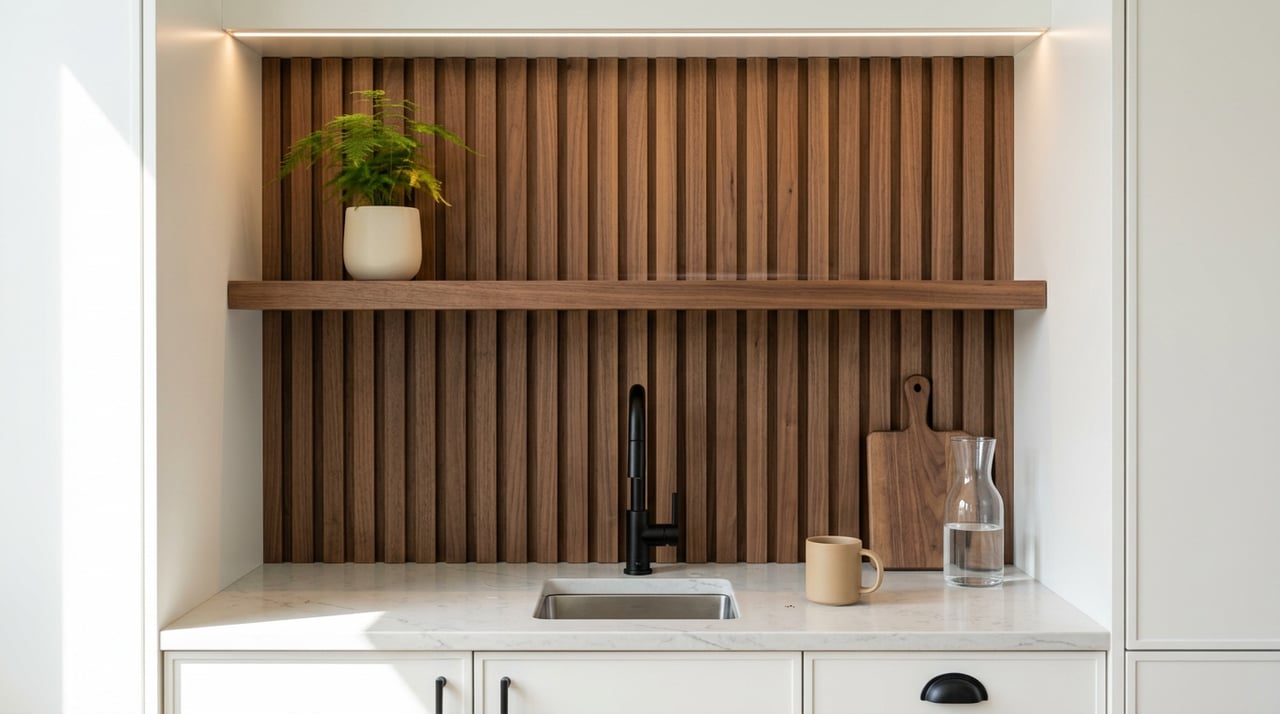
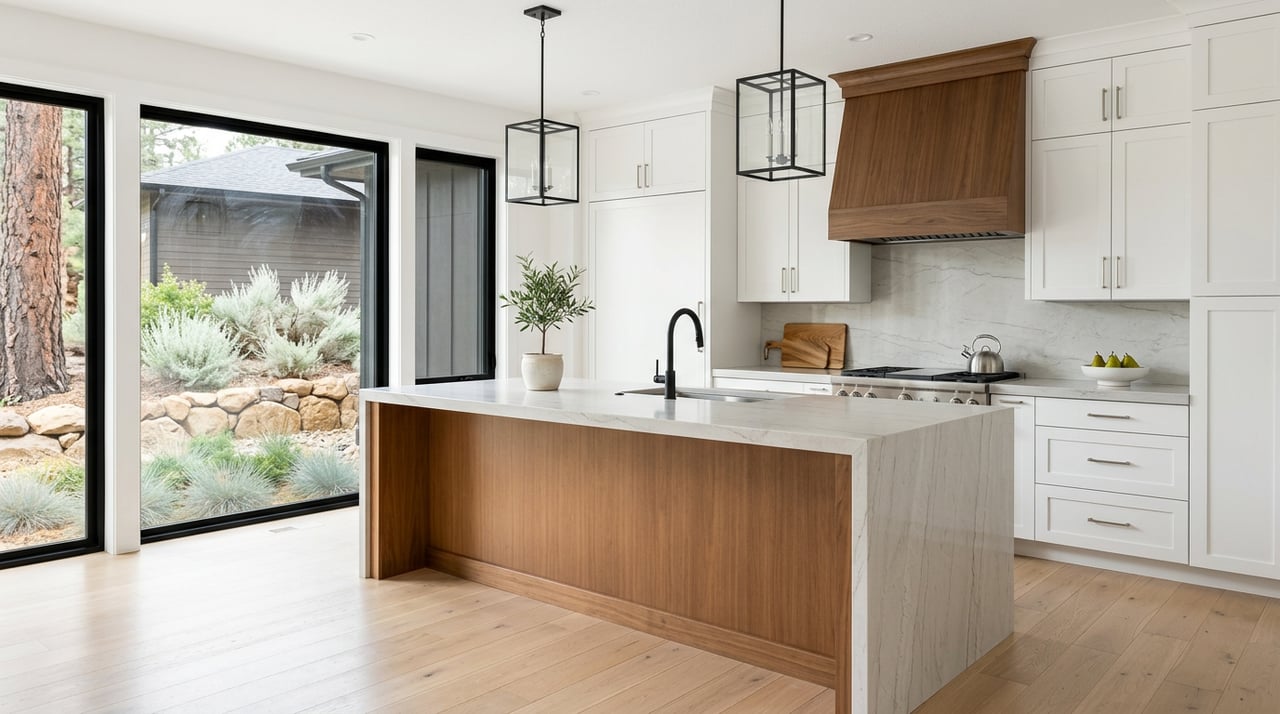
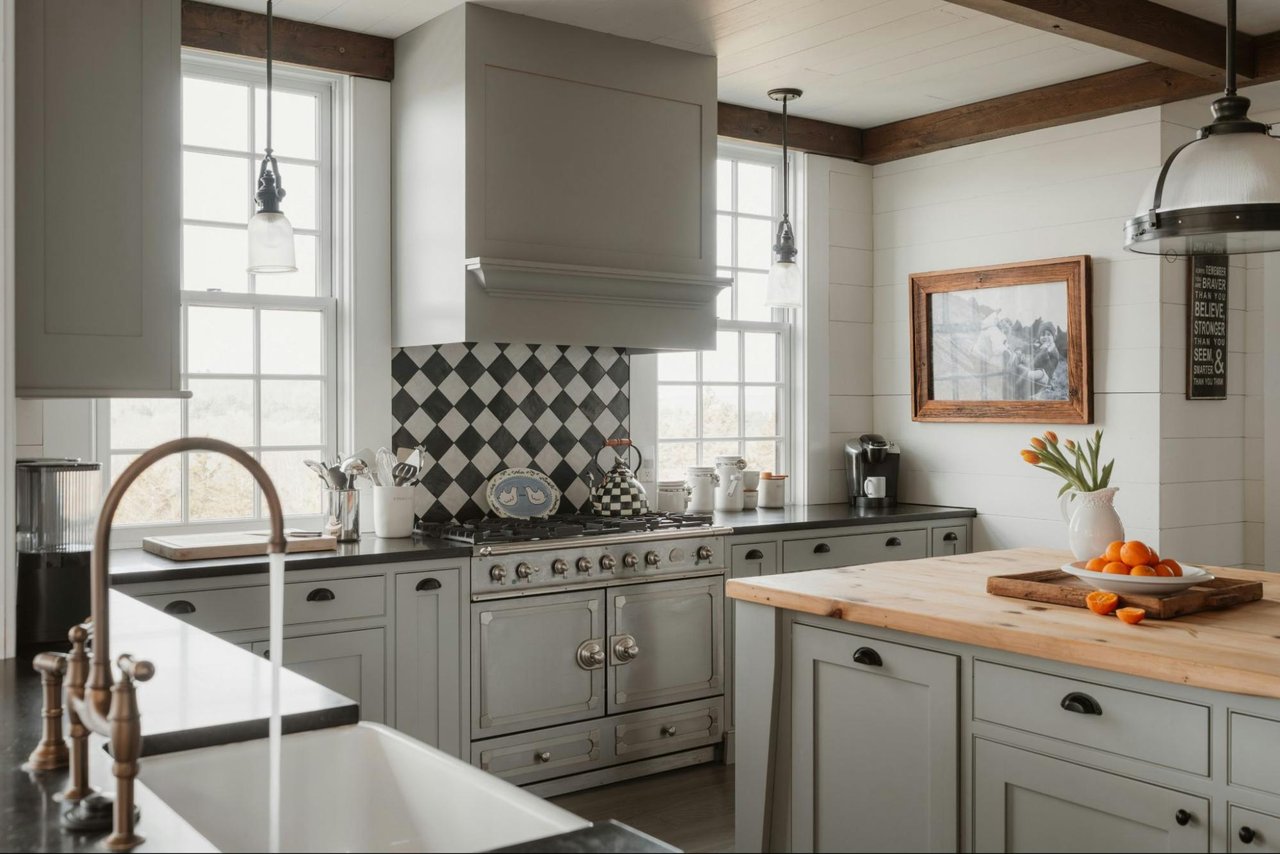
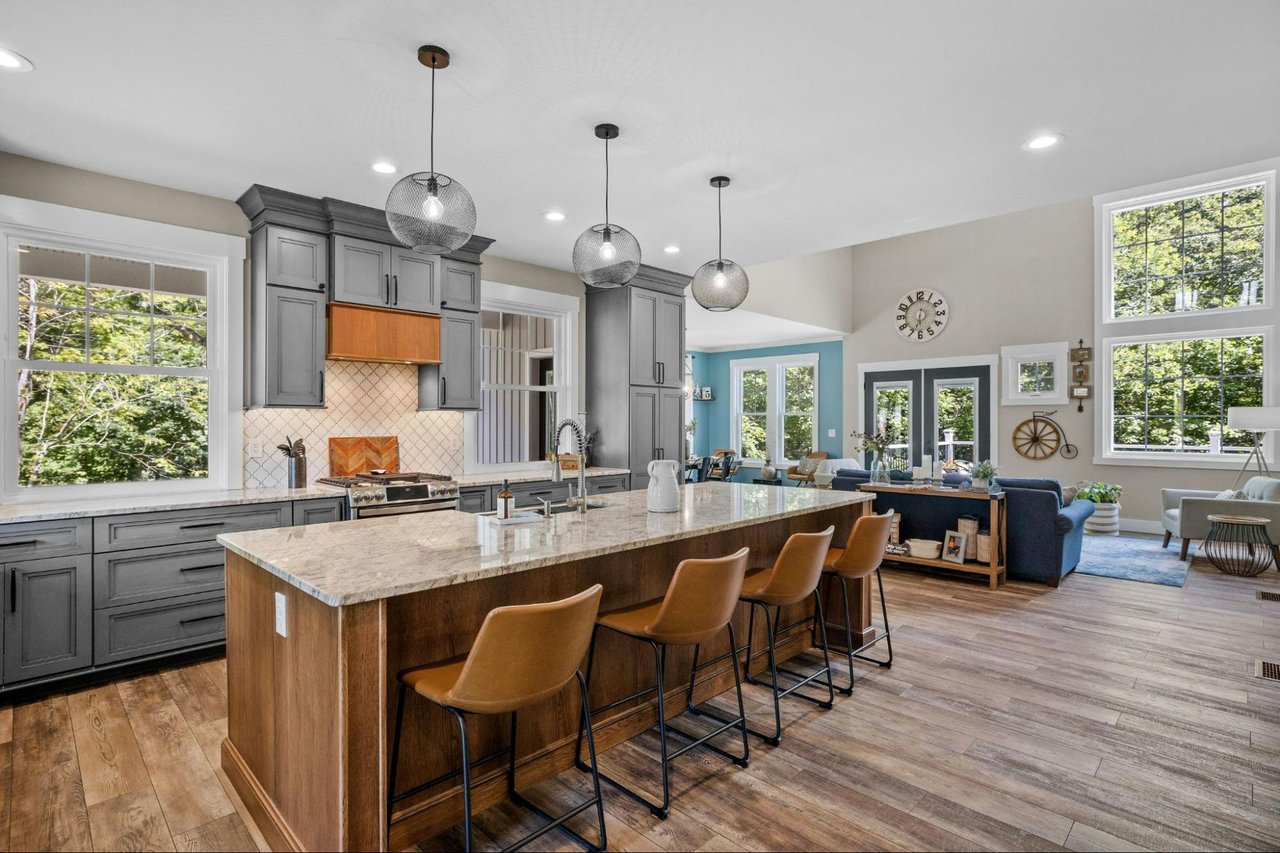
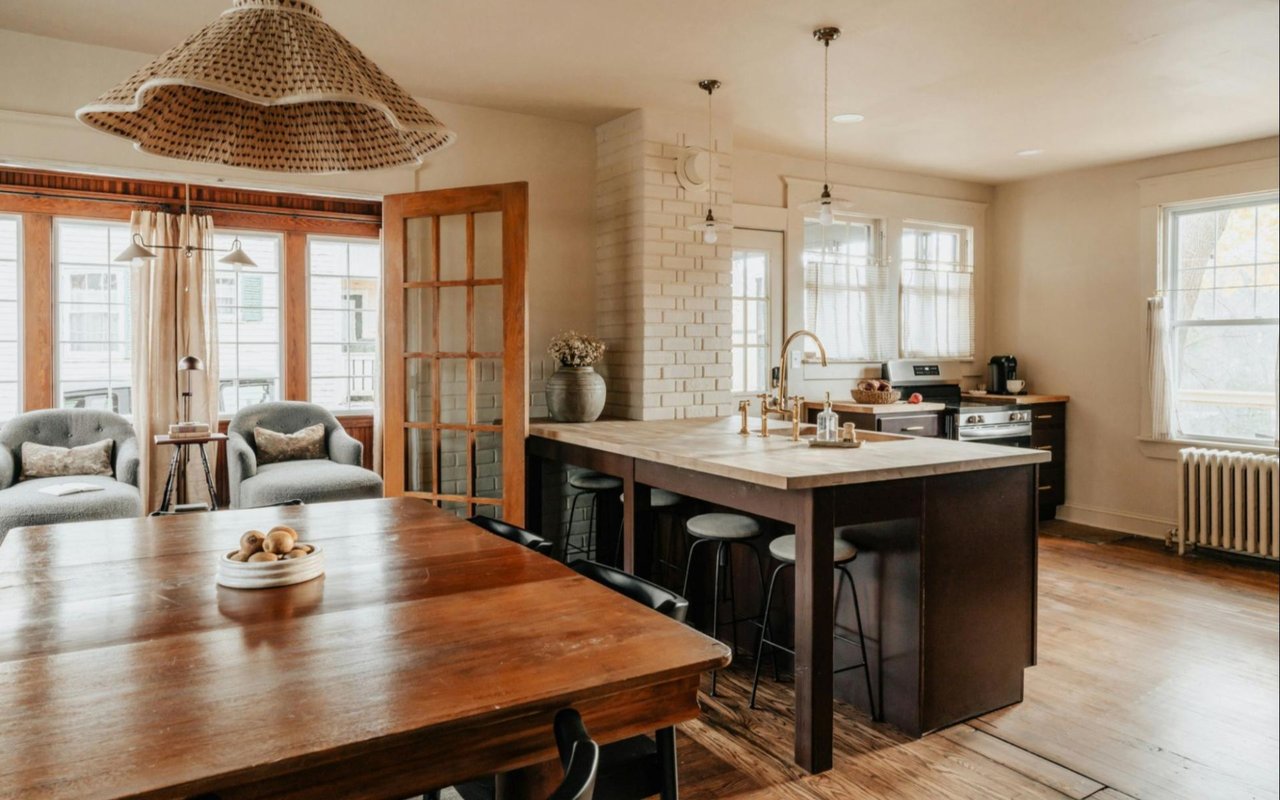
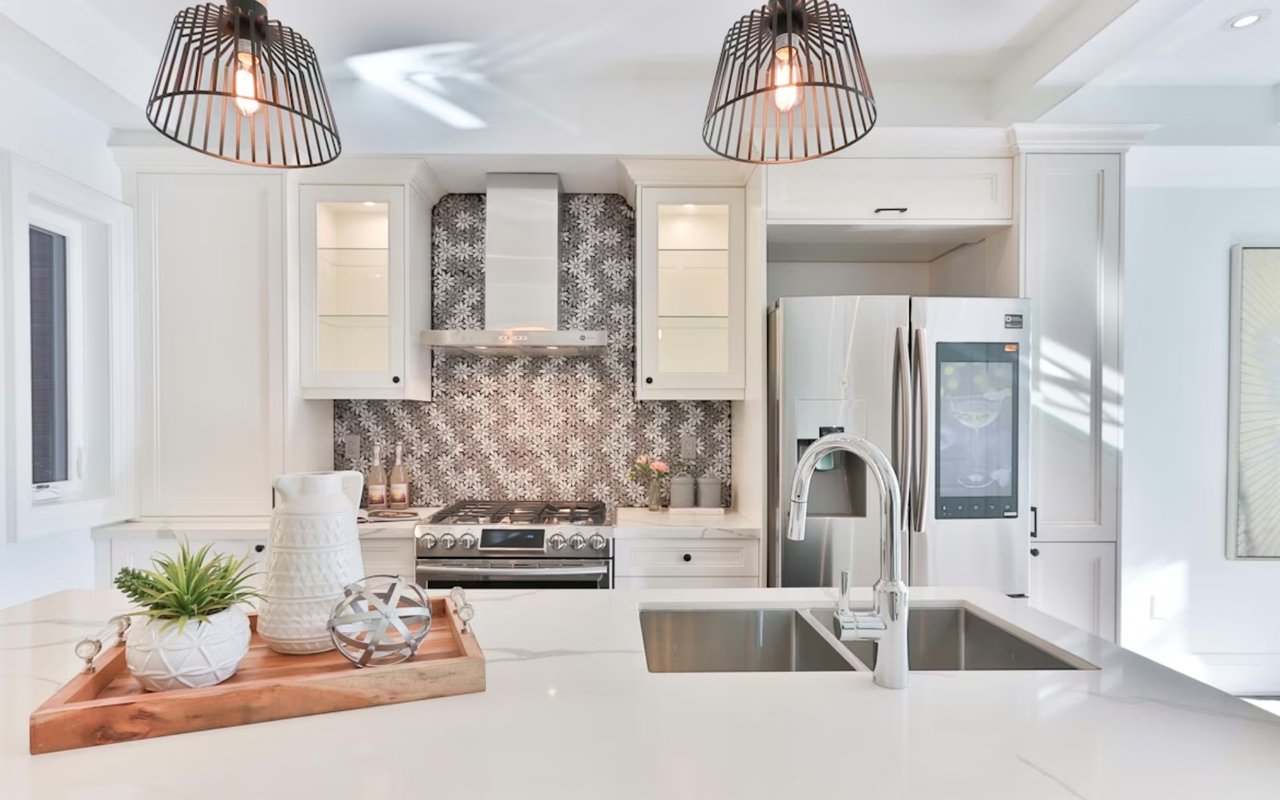
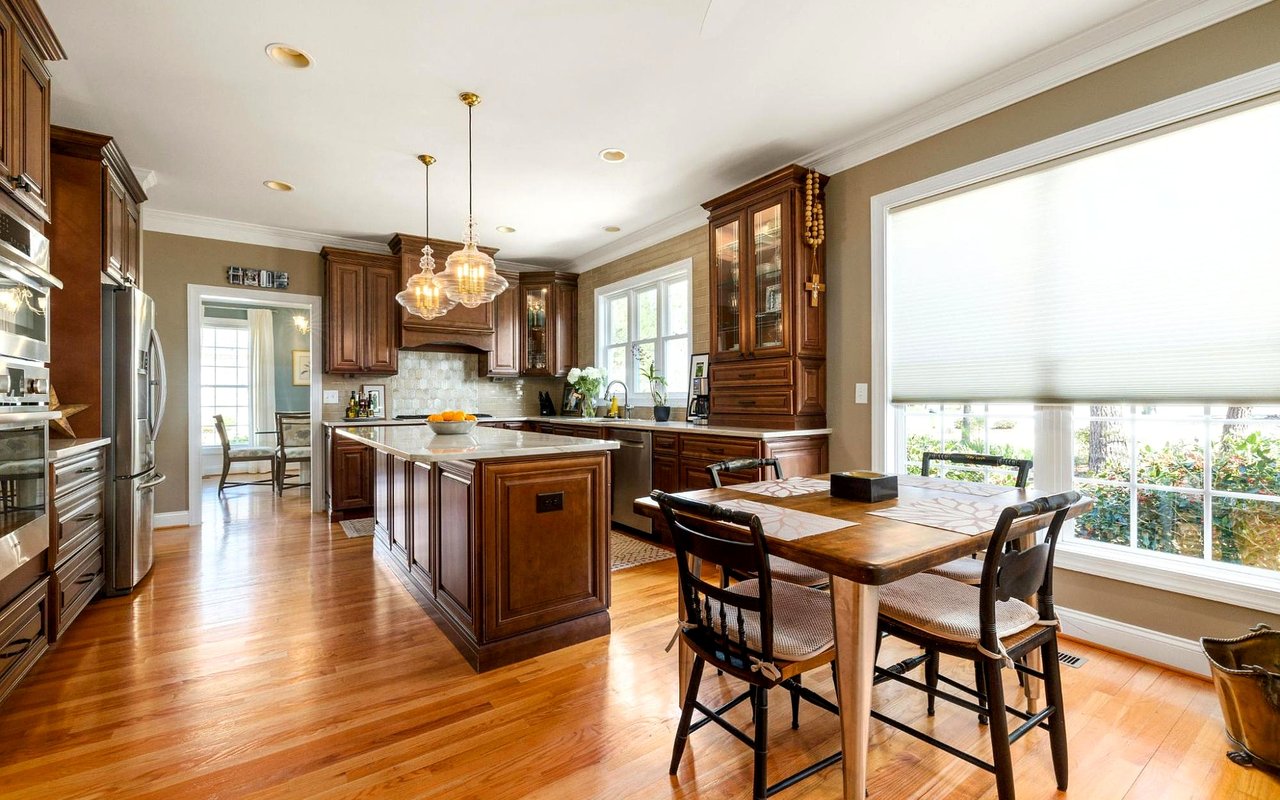
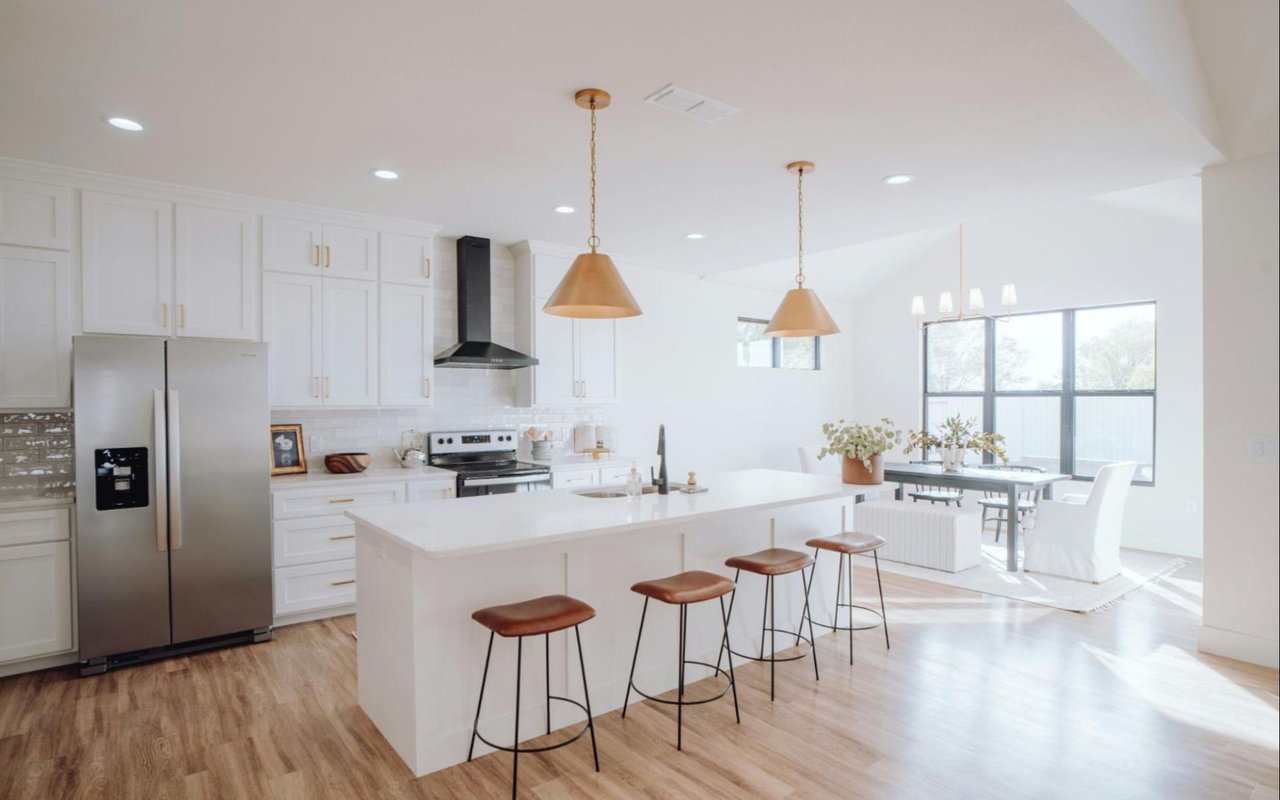
Upgrades delivering highest returns include kitchen and bathroom updates featuring quartz countertops, contemporary cabinetry, and modern fixtures. Energy-efficient windows, updated HVAC systems, and enhanced insulation address buyer concerns about heating costs and comfort in temperature extremes. Outdoor improvements—xeriscaping, irrigation systems, fencing, and covered patios—appeal strongly to buyers prioritizing usable outdoor space and low-maintenance landscaping.
Buyer demographics skew toward families relocating from West Coast metros (Seattle, Portland, Bay Area), retirees seeking four-season recreation access and tax-friendly Oregon residency, and remote workers prioritizing lifestyle over proximity to employment centers. Marketing should emphasize value comparison to Bend, airport accessibility, outdoor recreation proximity, and community character rather than competing on luxury amenities or resort-town cachet.
Disclosure obligations include wildfire risk acknowledgment, water source documentation, HOA governing documents, and any known easements or use restrictions. Transparency regarding well depth, septic system condition, and irrigation water rights prevents transaction disruptions during buyer due diligence.
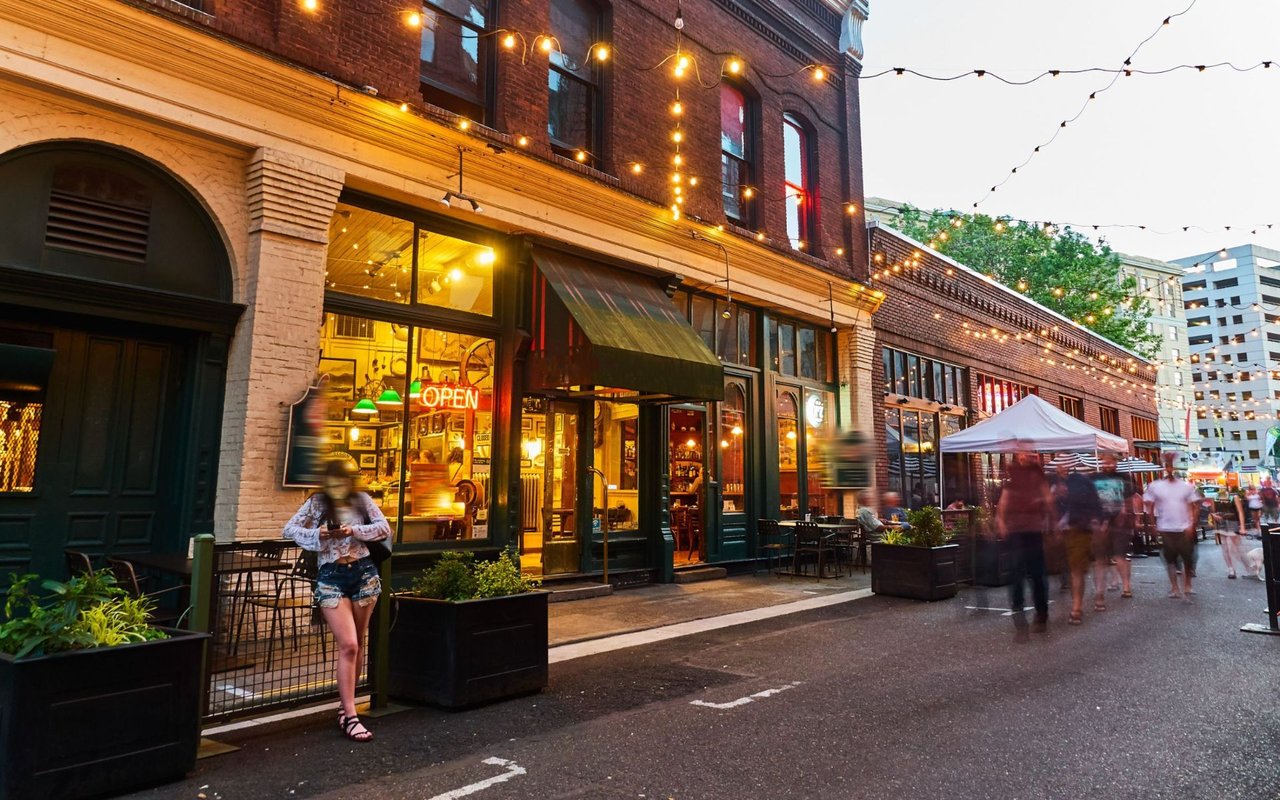
Downtown Redmond's revitalized core along Sixth Street anchors the dining scene with locally owned restaurants, brewpubs, and cafes serving the daily community rather than tourist traffic. Diego's Spirited Kitchen delivers elevated Mexican cuisine with craft cocktails in a modern setting, while Wild Ride Brewing operates a popular brewpub featuring house-brewed ales, wood-fired pizzas, and frequent live music in an industrial-chic taproom. Baldy's BBQ draws crowds for Texas-style barbecue, and Seventh Street Brew House offers comfort food and rotating local beer selections.
Coffee culture thrives with independent shops like Thump Coffee roasting beans on-site and providing WiFi-enabled workspaces popular with remote workers. Vault 1905 combines coffee service with wine bar offerings in a restored historic building. Chain restaurants concentrate along Highway 97's commercial corridor, providing familiar options but lacking the character and community integration of downtown establishments.
Entertainment options include the Redmond Cinema, an independent theater screening first-run and art house films, and the Redmond Performing Arts Center hosting community theater productions, concerts, and cultural events. Saturday Farmers Market operates May through October, featuring local produce, artisan goods, and food vendors creating a community gathering space. Nearby breweries including Smith Rock Brewing Company and Solstice Brewing offer tasting rooms and event spaces attracting locals and visitors exploring Central Oregon's craft beer scene.
While Redmond's dining and entertainment infrastructure remains modest compared to Bend's tourist-oriented offerings, the city delivers authentic local character without resort-town pricing or seasonal crowding. Residents frequently venture to Bend (15 minutes) or Sisters (25 minutes) for additional dining variety and cultural events while appreciating Redmond's unpretentious, community-focused establishments.
Smith Rock State Park, located 10 miles northeast of Redmond, stands as one of America's premier rock climbing destinations and offers hiking trails winding through the Crooked River canyon's striking volcanic formations. The park's accessibility makes it a daily recreation option rather than weekend excursion, with trails ranging from easy riverside walks to challenging summit routes providing panoramic Cascade views.
Sam Johnson Park in central Redmond features sports fields, playgrounds, picnic facilities, and the Redmond Skate Park, serving as a community hub for youth sports leagues and family gatherings. Dry Canyon Trail System provides in-town access to hiking and mountain biking on 11 miles of trails through high desert terrain, connecting neighborhoods to natural open space without vehicle travel.
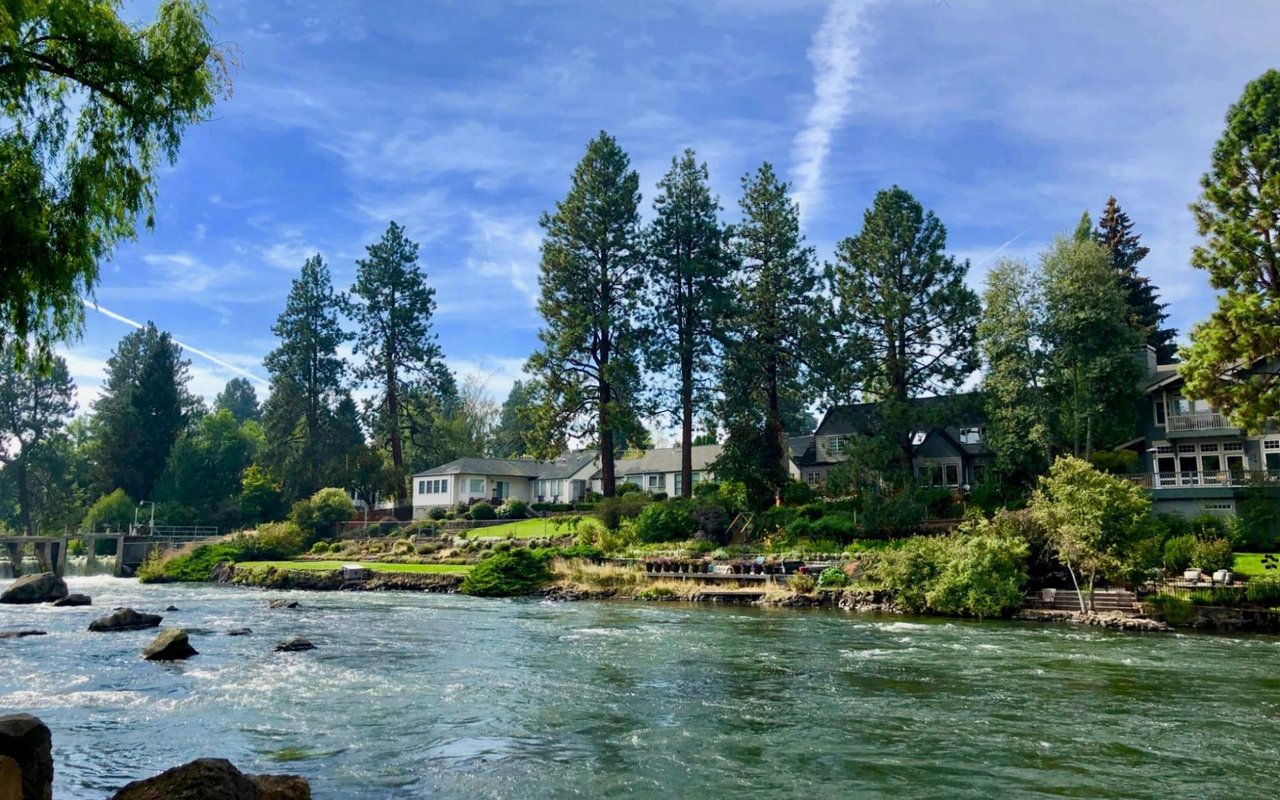
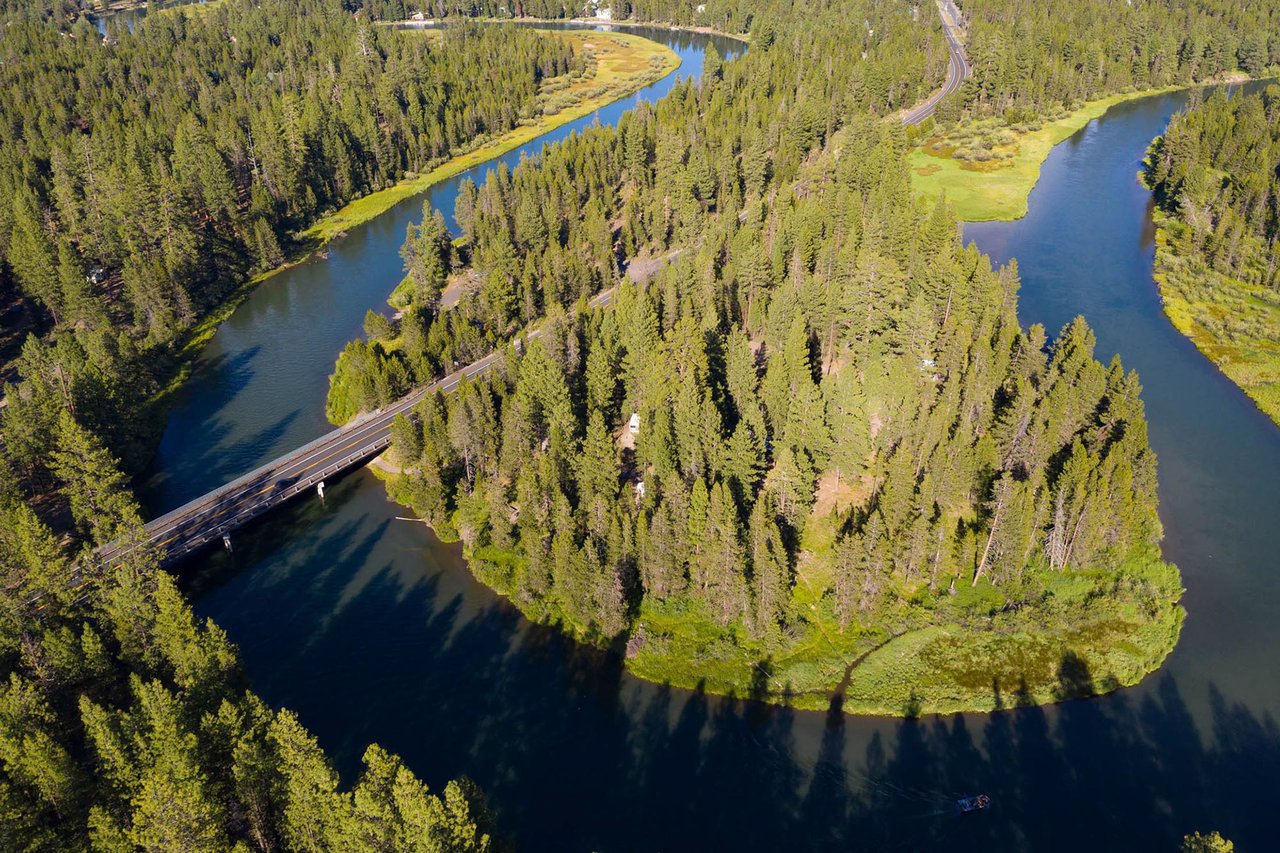
The Deschutes River corridor offers world-class fly fishing, kayaking, and rafting opportunities within 20 minutes of downtown, with numerous public access points managed by BLM and state parks. Steelhead Park on the Little Deschutes River provides fishing access, picnicking, and wildlife viewing in a riparian setting.
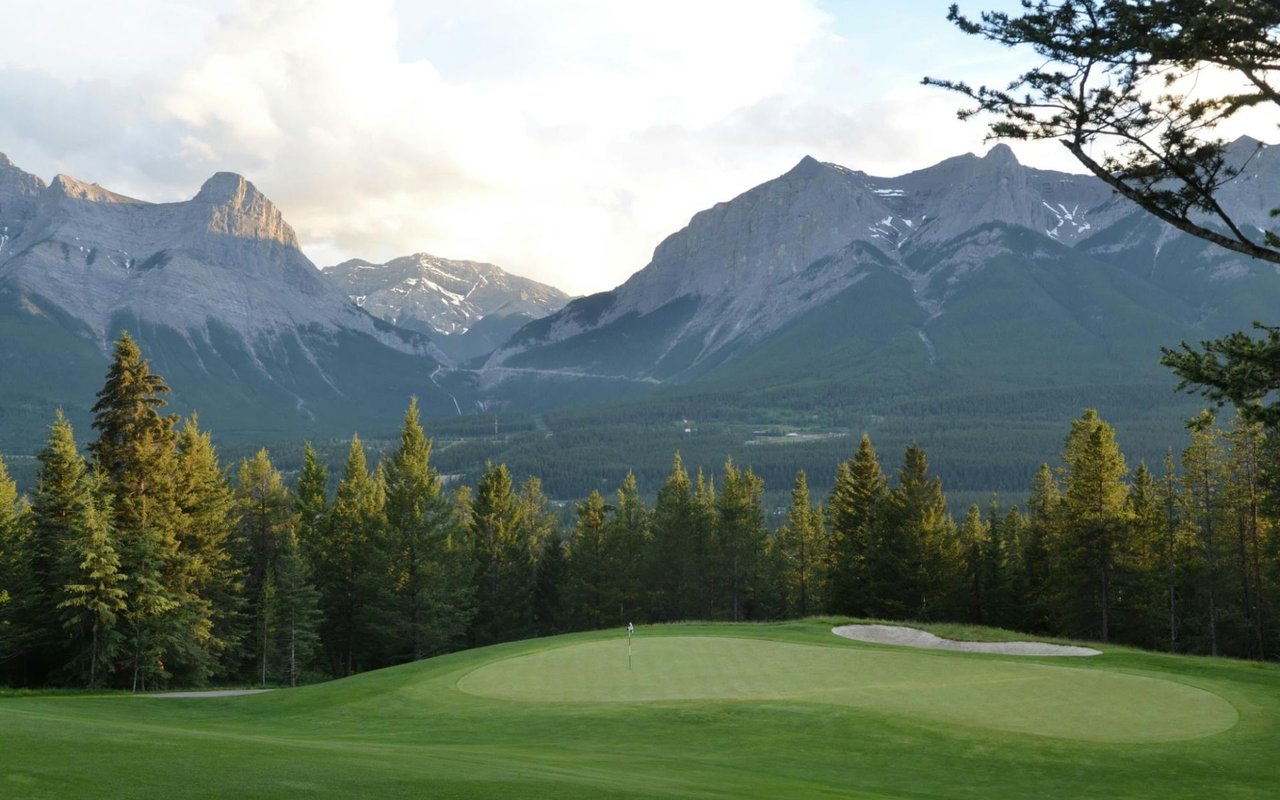
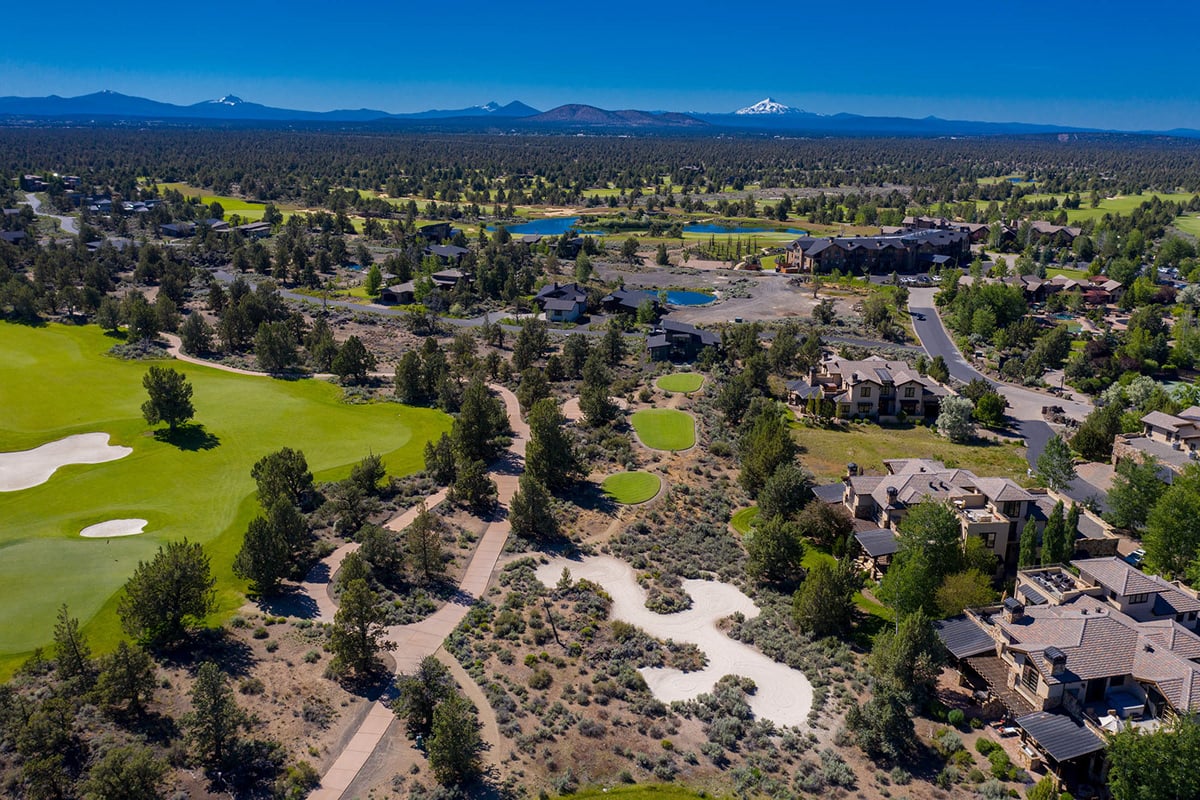
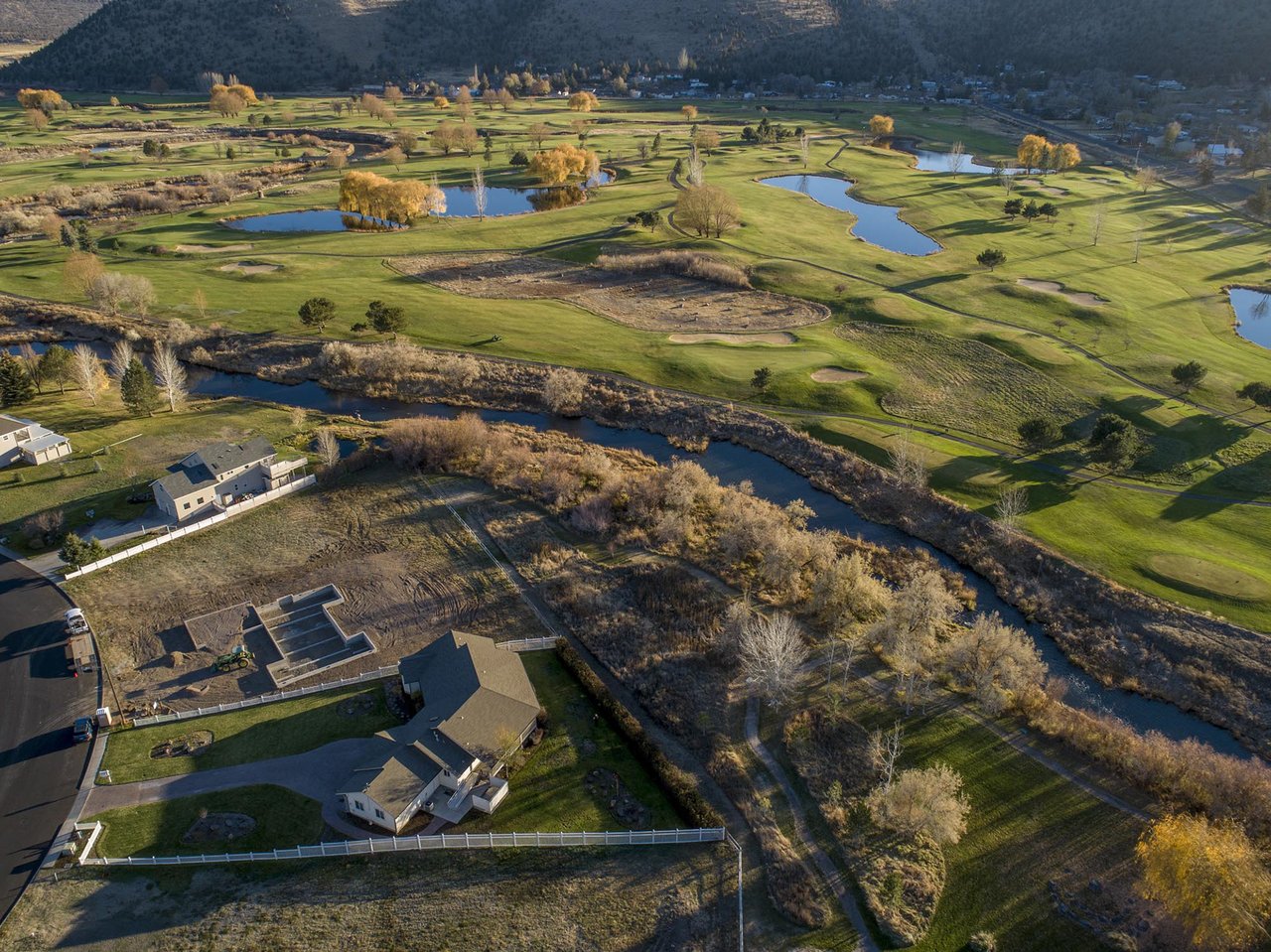
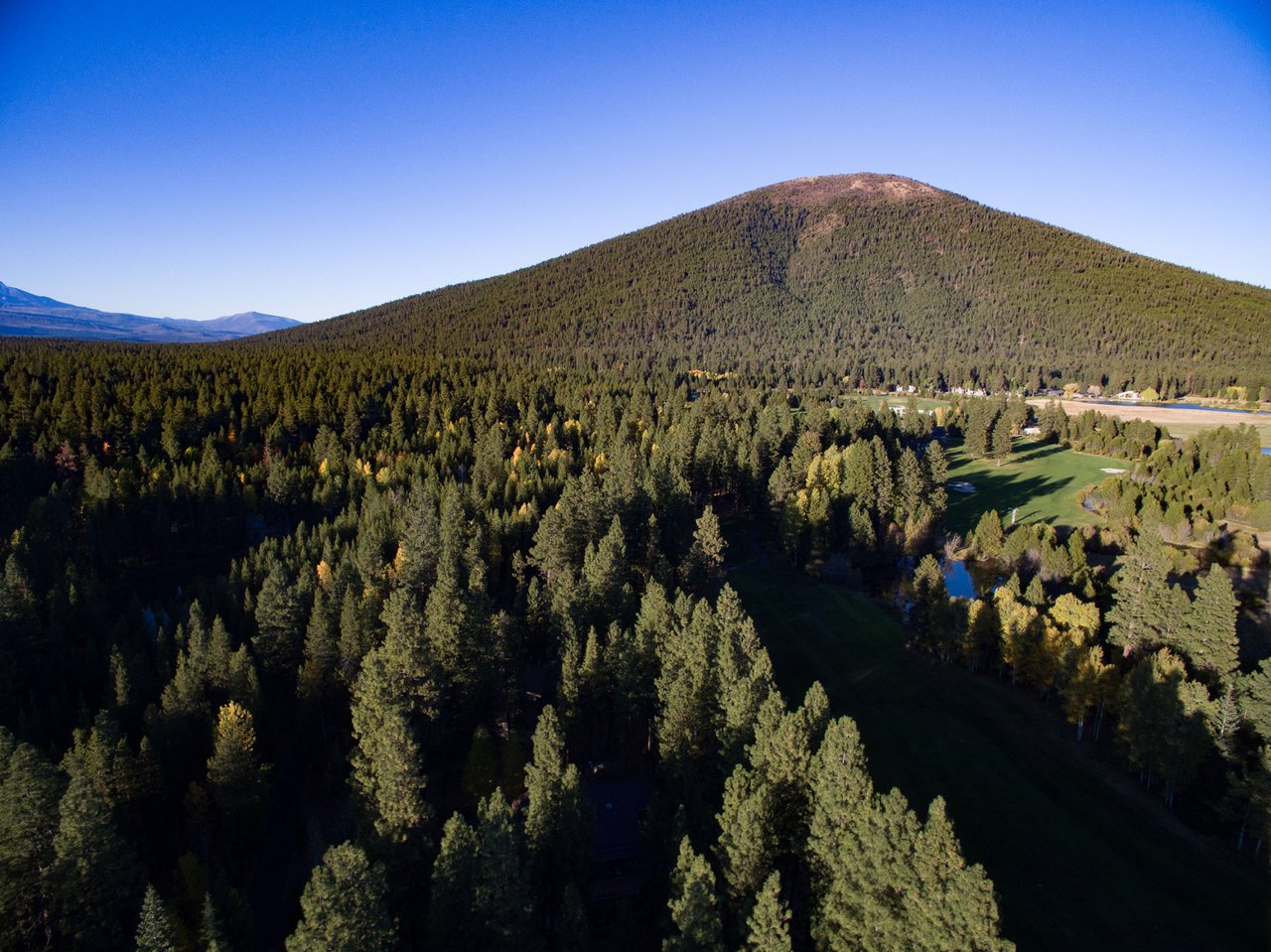
Golf enthusiasts access Juniper Golf Course, a municipal 18-hole facility offering affordable play with Cascade views, while Pronghorn and Brasada Ranch provide private club amenities including championship courses designed by Jack Nicklaus, Tom Fazio, and other notable architects. These resort communities require membership or guest privileges but deliver exceptional facilities and conditioning.
Winter recreation centers on Mount Bachelor ski resort, a 45-minute drive offering 4,300 acres of skiable terrain, extensive Nordic trail systems, and summer mountain biking and hiking. The mountain operates typically November through May, with IKON and local season pass options providing cost-effective access for frequent users. Nearby Metolius River provides year-round fly fishing in a pristine spring-fed system, while countless forest service roads and trails accommodate snowmobiling, cross-country skiing, and snowshoeing.
Cline Falls State Scenic Viewpoint and Eagle Crest Resort expand recreation options with additional trails, river access, and seasonal events. The region's 300 days of annual sunshine enable year-round outdoor activity across diverse terrain types within minimal drive times.
Redmond's culture reflects working-class pragmatism rather than resort-town pretension, attracting residents valuing authenticity over image. The community maintains agricultural and ranching heritage visible in annual events like the Deschutes County Fair and Rodeo, held each August since 1915 and drawing competitors and spectators throughout Central Oregon. This connection to rural roots persists despite tech sector growth and suburban expansion, creating cultural diversity between longtime residents and recent arrivals.
The arts scene remains modest but growing, anchored by the High Desert Museum (20 minutes south) offering natural and cultural history exhibits, and the Redmond Performing Arts Center hosting community theater and regional touring acts. First Friday art walks in downtown showcase local artists in galleries and retail spaces, fostering community connection without Bend's tourist-driven gallery scene.
Music culture emphasizes local talent and community events over national touring acts, with summer concerts in Centennial Park drawing families for free performances. Breweries and restaurants feature regional musicians performing Americana, rock, and folk genres in intimate settings encouraging interaction between performers and audiences.
Community engagement runs high, with active volunteer networks supporting schools, parks, trails maintenance, and social service organizations. The Redmond Area Parks and Recreation District (RAPRD) coordinates youth sports leagues, fitness programs, and community events fostering neighborhood connections. This civic involvement reflects small-town values persisting through population growth.
Political culture leans conservative relative to Bend's progressive reputation, though diversity exists across neighborhoods and demographics. Newcomers from urban areas introduce different perspectives, creating evolving community dynamics around growth management, development patterns, and resource allocation.
The outdoor recreation lifestyle unites diverse residents, with trails, rivers, and mountains serving as common ground transcending political or socioeconomic differences. Casual, practical fashion norms emphasize function over style—fleece, jeans, and hiking boots constitute acceptable attire for most occasions, reflecting priorities favoring activity over appearance.
Redmond School District serves approximately 6,500 students across multiple elementary, middle, and high schools, with generally solid performance ratings though trailing some Bend-Maricopa schools in standardized testing metrics. The district's facilities have benefited from significant bond-funded improvements including new school construction and technology upgrades addressing rapid enrollment growth.
Elementary options include Vern Patrick, Hugh Hartman, John Tuck, Tumalo Community School, and M.A. Lynch, each serving specific attendance boundaries that shift periodically as new development opens. Families targeting specific schools should verify current boundaries and anticipate potential redistricting. Tumalo Community School offers a smaller, community-focused environment serving the Tumalo area northwest of Redmond.
Ridgeview High School serves as the district's second comprehensive high school alongside Redmond High School, both offering college-prep curriculum, CTE programs, and athletics. Academic performance varies across programs, with Advanced Placement course offerings and college dual-enrollment options available for motivated students. Athletic programs compete successfully in Oregon's 5A classification across multiple sports.
Private school alternatives include St. Thomas Catholic School (K-8) providing faith-based education, though Bend offers additional private options including Cascade Christian and Cascade Academy serving families seeking alternatives to public districts. Homeschooling networks exist throughout Central Oregon with co-op programs and resource sharing among participating families.
Early childhood education includes multiple licensed preschools and daycare facilities, though availability can be constrained during peak enrollment periods. Central Oregon Community College operates a campus in Redmond offering two-year degrees, workforce training, and university transfer programs. The main COCC campus in Bend and Oregon State University-Cascades campus provide additional higher education access within 20 minutes.
School considerations significantly influence neighborhood selection for families, with newer developments often attracting families seeking modern facilities and established neighborhoods drawing buyers prioritizing mature communities and larger lots despite potentially older school buildings.
Redmond's central Oregon location positions residents within reasonable drive times to diverse destinations despite the region's rural character. Highway 97 serves as the primary north-south corridor, providing direct routes to Bend (15 miles south, 20-25 minutes), Sisters (25 miles west, 25 minutes), and Madras (25 miles north, 25 minutes). Portland lies 130 miles northwest via Highway 97 to Highway 26, typically a 2.5-3 hour drive depending on weather and traffic through the mountain passes.
Redmond Municipal Airport (RDM) distinguishes the city as Central Oregon's air travel hub, offering nonstop service to Seattle, Portland, San Francisco, Los Angeles, Denver, Phoenix, and seasonal destinations. Alaska Airlines, United, American, and Aviant provide multiple daily departures, enabling business travel and vacation connectivity without the 2.5-hour drive to Portland International Airport. This accessibility proves particularly valuable for remote workers maintaining periodic travel requirements and retirees visiting distant family.
Local transportation relies almost entirely on private vehicles, with Cascades East Transit providing limited fixed-route bus service and paratransit options. The system serves basic connectivity but proves inadequate for comprehensive transit needs. Most residents maintain one or two vehicles per household, with garage space and driveway capacity influencing property desirability.
Bicycle infrastructure has expanded with dedicated lanes along major corridors and trail connections linking neighborhoods to downtown and recreational areas. However, vehicle-oriented development patterns and spread-out distances make cycling more recreational than practical for daily errands except in central neighborhoods.
Commute patterns vary dramatically by employment sector. Many residents work locally in retail, healthcare, education, and service industries, experiencing minimal commutes within Redmond's compact geography. Others commute to Bend's larger employment base, facing 20-30 minute drives subject to Highway 97 traffic congestion during peak periods. Remote workers comprise a growing percentage of residents, eliminating daily commutes while valuing airport access for occasional travel. Winter weather occasionally impacts mountain pass access to Portland and Willamette Valley, with chains or traction tires required during severe storms, though Highway 97 receives priority snow removal maintaining generally reliable year-round travel.
Residents consistently cite affordability relative to Bend as a primary attraction, enabling homeownership, larger properties, and financial flexibility while maintaining Central Oregon lifestyle access. The 20-25% housing cost discount compared to Bend translates to meaningful differences in monthly payments, property taxes, and equity building potential, particularly for families and first-time buyers.
Authentic community character without tourist crowds or resort-town attitudes creates genuine neighborly connections and small-town accessibility. Downtown Redmond functions as a local gathering place rather than visitor destination, fostering familiarity and community investment among residents. The unpretentious culture welcomes diverse backgrounds without social hierarchy based on wealth or status.
Outdoor recreation proximity rivals Bend's access while offering less congested trailheads and river access points. Smith Rock State Park functions as a backyard amenity, and the airport location enables quick getaways to distant destinations or convenient arrivals for visiting family. The 300-day sunshine average delivers consistent weather enabling year-round outdoor activities across four distinct seasons.
Practical considerations including grocery shopping, medical facilities, and services exist locally without requiring trips to Bend for routine needs. The airport, Costco, St. Charles Redmond hospital, and expanding retail infrastructure provide essential services while maintaining reasonable traffic levels and parking availability.
Growing employment opportunities in tech, healthcare, and professional services create career options beyond tourism and service industries dominating Bend's economy. Facebook's regional presence, healthcare expansion, and airport-related businesses diversify the economic base supporting sustainable community growth.
The balance between small-town character and modern amenities appeals to residents seeking escape from urban density without sacrificing convenience or connectivity. Redmond delivers accessible outdoor lifestyle, functional infrastructure, and community authenticity at a price point enabling long-term residence rather than vacation-home speculation.
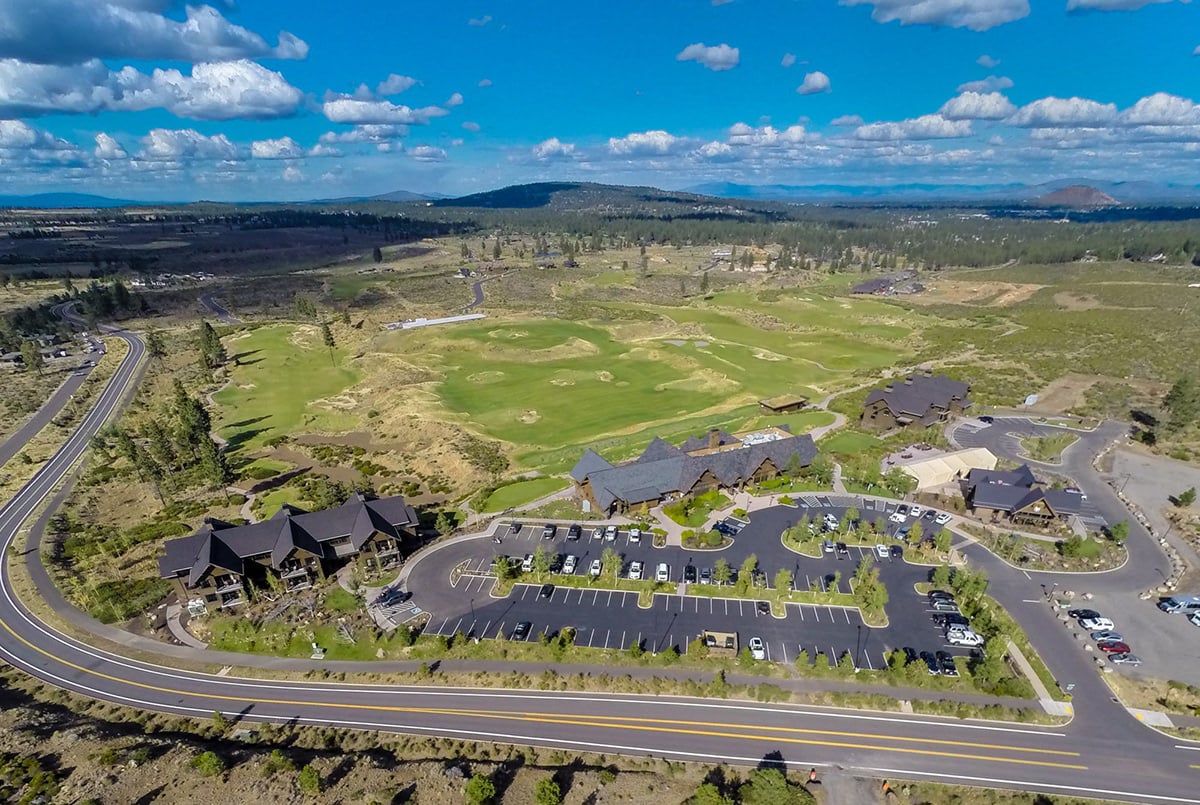
Brasada Ranch occupies 1,800 acres of high desert terrain southwest of town, offering custom estate homes, golf villas, and resort amenities including a championship Pete Dye golf course, range riding, and ranch club facilities. Properties range from $1 million to $5 million+, attracting luxury buyers seeking resort lifestyle with vacation rental income potential and exceptional Cascade views.
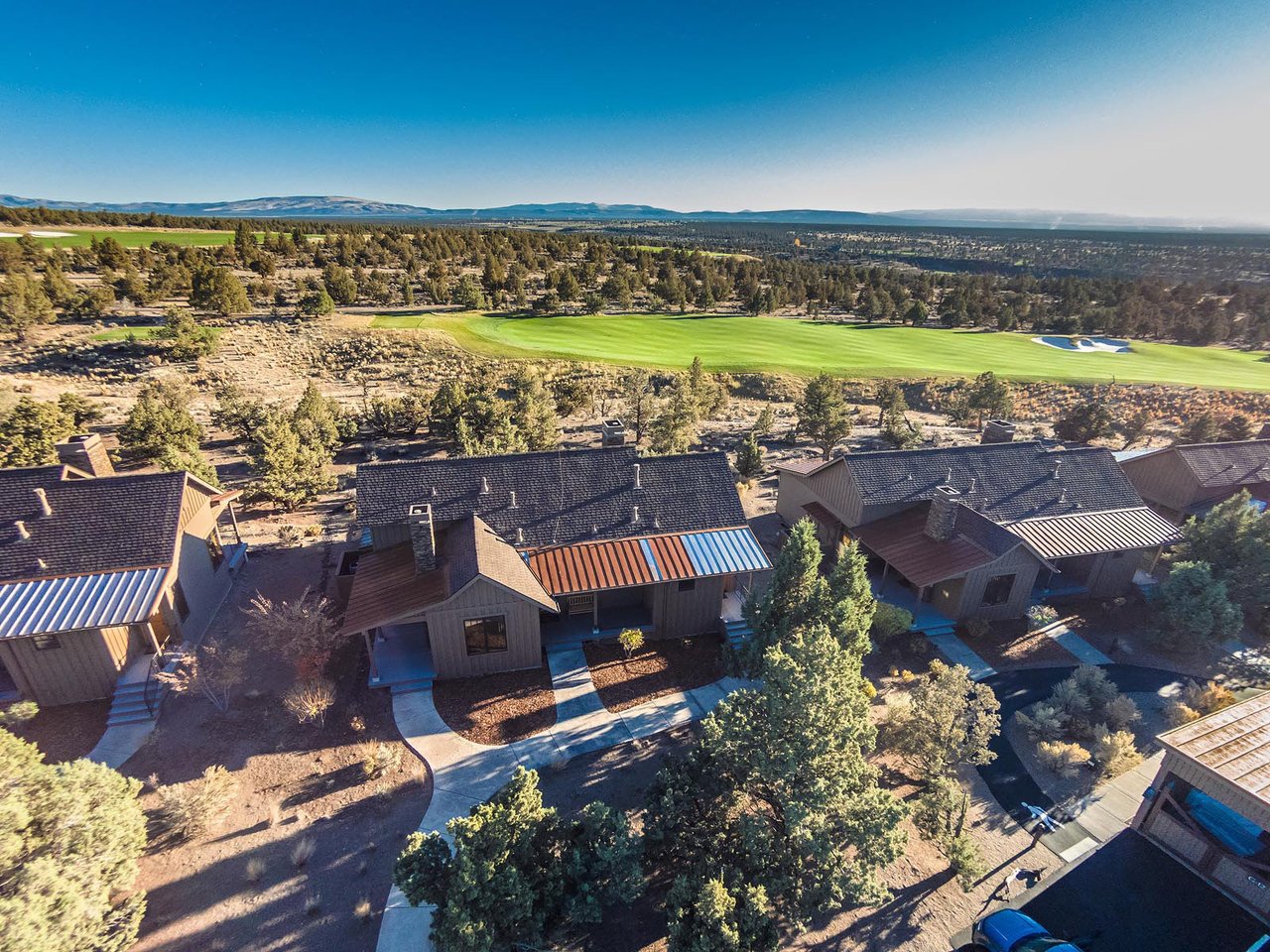
Pronghorn Resort features two private golf courses designed by Jack Nicklaus and Tom Fazio on 640 acres of juniper-studded terrain. Custom homes, golf cottages, and estate lots provide luxury options with comprehensive club amenities including fitness facilities, dining, and tennis. Properties start around $1 million with premiere lots and custom estates exceeding $3 million.
The Canyons at Dry Canyon represents premier in-town luxury development, featuring custom homes on larger lots with protected rimrock canyon views and direct trail access. Properties in this northwest Redmond location deliver privacy and natural setting without leaving city limits, appealing to buyers seeking upscale finishes and outdoor integration.
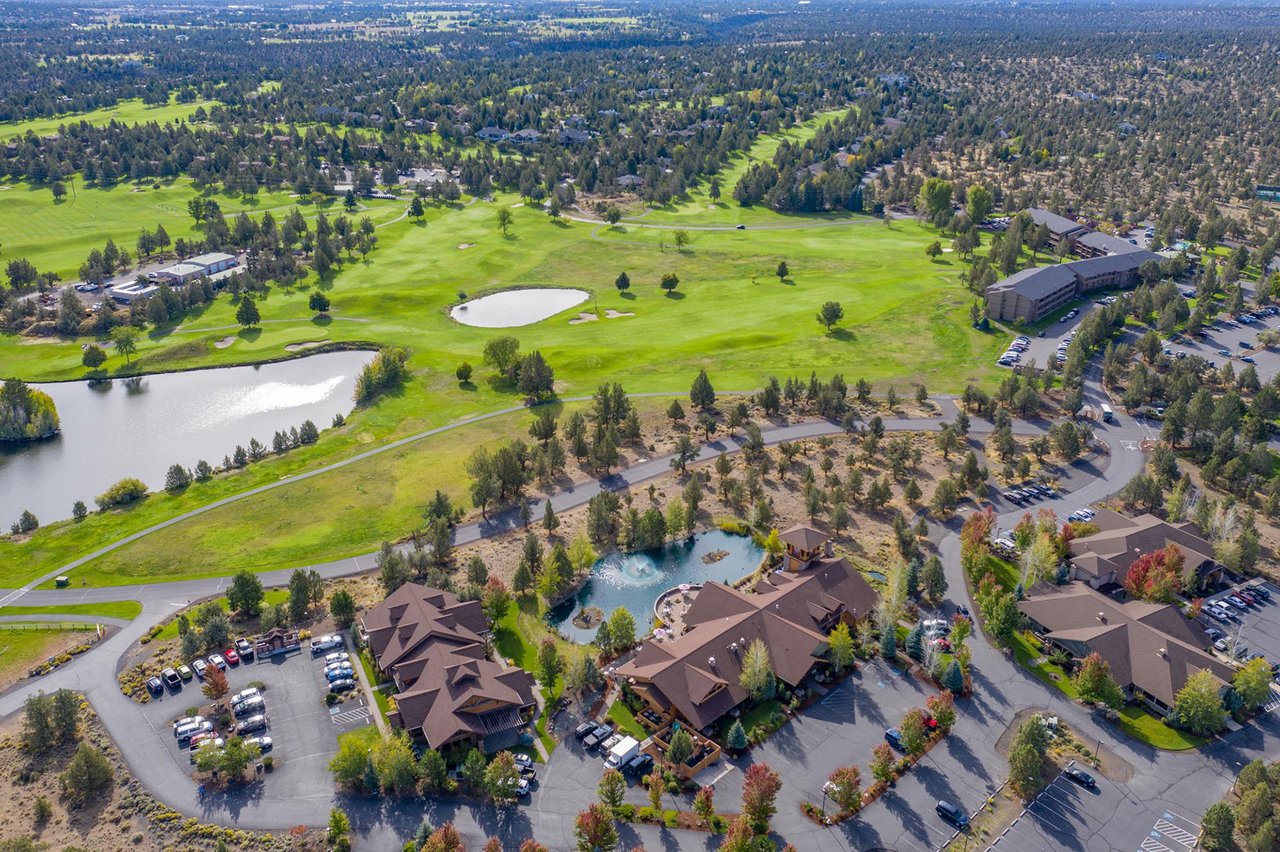
Eagle Crest Resort, though technically in unincorporated Deschutes County, attracts Redmond-area buyers seeking golf course living, vacation rental income, and resort amenities at more accessible price points than Brasada or Pronghorn. Properties range from condos around $300,000 to single-family homes approaching $1 million.
Established neighborhoods near downtown along Antler Avenue and surrounding streets offer mature landscaping, walkable access to central amenities, and classic mid-century architecture on generous lots. These properties appeal to buyers prioritizing character, established trees, and central location over new construction features.
Northwest Redmond developments including the Highlands and surrounding subdivisions deliver modern construction, mountain views, and newer infrastructure while maintaining proximity to schools and amenities. Properties in the $600,000-$900,000 range attract families and professionals seeking contemporary finishes and efficient layouts.
Redmond suits buyers prioritizing value and authenticity over resort-town cachet and tourist infrastructure. Families seeking affordable single-family homes with yard space, good schools, and outdoor recreation access find compelling options unavailable at comparable prices in Bend. The community accommodates first-time buyers, growing families, and middle-income households effectively without the bidding war intensity of premium markets.
Outdoor enthusiasts willing to trade Bend's immediate trail access and mountain-town aesthetic for lower costs and less crowding discover Redmond provides nearly identical recreation access at substantially reduced housing expense. Rock climbers, cyclists, skiers, and anglers maintain lifestyle priorities while building more favorable financial positions.
Retirees seeking four-season recreation, moderate climate, and manageable cost of living select Redmond for airport access, healthcare facilities, and community engagement opportunities without excessive tourism or seasonal population fluctuations. The unpretentious culture and accessible amenities support active retirement without pretension or social pressure.
Remote workers and location-independent professionals leverage Redmond's airport connectivity, reliable infrastructure, and outdoor lifestyle while minimizing housing costs. The growing community of digital professionals creates networking opportunities and coworking spaces supporting this demographic.
Conversely, Redmond may disappoint buyers prioritizing walkable urban density, extensive dining and entertainment options, or resort-town sophistication. The community lacks Bend's extensive trail systems immediately adjacent to residential neighborhoods, comprehensive public transit, and tourist-oriented infrastructure. Buyers requiring immediate access to luxury amenities, upscale shopping, or cultural institutions should recognize these limitations despite Bend's proximity.
Similarly, those seeking very large properties with significant acreage may find better value in outlying rural areas, while luxury buyers prioritizing established resort communities and comprehensive club amenities often gravitate toward Bend's more developed luxury market despite Redmond's emerging high-end options at Brasada and Pronghorn.
Redmond has 17,059 households, with an average household size of 2.58. Data provided by the U.S. Census Bureau. Here’s what the people living in Redmond do for work — and how long it takes them to get there. Data provided by the U.S. Census Bureau. 44,287 people call Redmond home. The population density is 351 and the largest age group is Data provided by the U.S. Census Bureau.
Total Population
Population Density Population Density This is the number of people per square mile in a neighborhood.
Median Age
Men vs Women
Population by Age Group
0-9 Years
10-17 Years
18-24 Years
25-64 Years
65-74 Years
75+ Years
Education Level
Total Households
Average Household Size
Average individual Income
Households with Children
With Children:
Without Children:
Blue vs White Collar Workers
Blue Collar:
White Collar:
There's plenty to do around Redmond, including shopping, dining, nightlife, parks, and more. Data provided by Walk Score and Yelp.
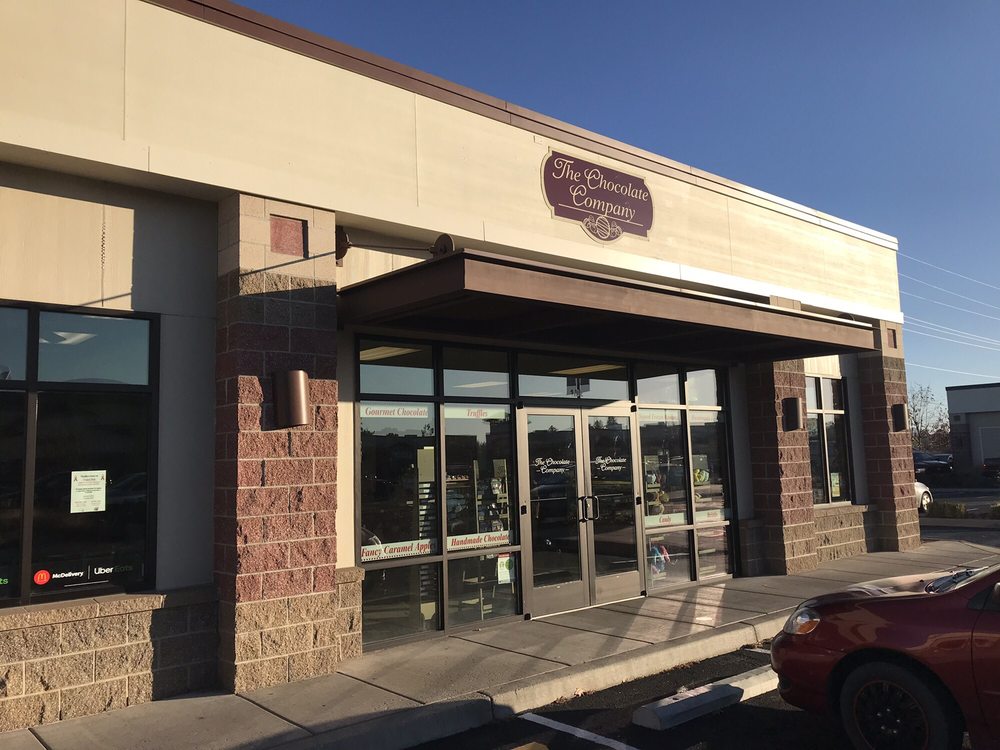
Explore popular things to do in the area, including Best of Show Baking, McDonald's, and The Chocolate Company.
| Name | Category | Distance | Reviews |
Ratings by
Yelp
|
|---|---|---|---|---|
| Dining | 0.99 miles | 0 reviews | 0/5 stars | |
| Dining · $ | 1.2 miles | 29 reviews | 2.2/5 stars | |
| Dining | 1.2 miles | 10 reviews | 4.4/5 stars | |
| Dining | 1.23 miles | 4 reviews | 5/5 stars | |
| Dining · $$ | 1.24 miles | 23 reviews | 2.7/5 stars | |
| Dining · $ | 1.24 miles | 95 reviews | 3.4/5 stars | |
| Dining · $$ | 1.26 miles | 33 reviews | 4/5 stars | |
| Dining | 1.26 miles | 0 reviews | 0/5 stars | |
| Dining · $$ | 1.26 miles | 49 reviews | 3.5/5 stars | |
| Shopping | 1.24 miles | 0 reviews | 0/5 stars | |
| Active | 0.96 miles | 1 review | 4/5 stars | |
| Active | 0.98 miles | 0 reviews | 0/5 stars | |
| Active | 1.21 miles | 4 reviews | 3.3/5 stars | |
| Active | 1.21 miles | 0 reviews | 0/5 stars | |
| Active | 1.23 miles | 3 reviews | 2.7/5 stars | |
| Active | 1.26 miles | 12 reviews | 3.5/5 stars | |
| Active | 1.26 miles | 0 reviews | 0/5 stars | |
| Beauty | 0.87 miles | 2 reviews | 5/5 stars | |
| Beauty | 1.24 miles | 7 reviews | 2.1/5 stars | |
| Beauty | 1.25 miles | 46 reviews | 3.4/5 stars | |
| Beauty | 1.26 miles | 5 reviews | 3.6/5 stars | |
| Beauty | 1.26 miles | 27 reviews | 3.3/5 stars | |
| Beauty | 1.27 miles | 0 reviews | 0/5 stars | |
| Beauty | 1.27 miles | 0 reviews | 0/5 stars | |
|
|
||||
|
|
||||
|
|
||||
|
|
||||
|
|
||||
|
|
ADDRESS 50 SW BOND ST STE 1 BEND OR 97702
ADDRESS 50 SW BOND ST STE 1 BEND OR 97702