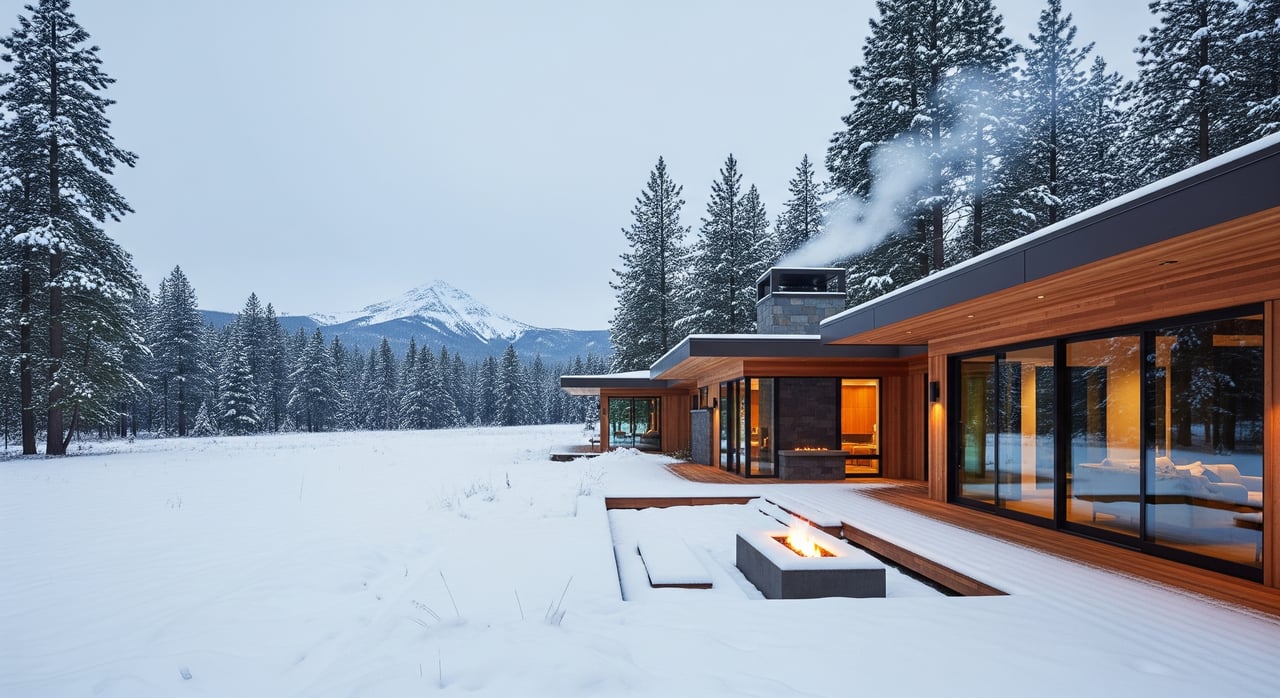
Eyeing a home in Sisters as the snow starts to fall? You are not alone. Many buyers wonder if winter is the right moment to make a move in this mountain town. You will find less competition and a chance to see how a home truly performs in cold weather, but you will also navigate smaller inventory and a few season-specific hurdles. This guide walks you through the tradeoffs, what to inspect in winter, and how to structure a smart offer. Let’s dive in.
Why winter can favor buyers
Buyer traffic typically slows in winter, so you often face fewer competing offers. With less pressure, sellers may be more open to price adjustments, closing-cost credits, or additional contingencies. Properties often stay on the market longer during the cold months, which can add to your negotiating leverage.
That said, every year is different. Some motivated sellers still command strong terms, and well-prepared homes can sell quickly at any time. Ask your agent for current local data on days on market, list-to-sale ratios, and active inventory before assuming discounts.
Tradeoffs to weigh now
Winter usually brings fewer new listings. The upside is better leverage. The downside is fewer choices. If you need a specific home type or location, you may wait longer for the right fit.
Appraisals can be trickier in low-activity months because there may be fewer recent comparable sales. If you plan to negotiate aggressively, have a plan for a potential appraisal gap, such as a larger down payment or a clear appraisal contingency strategy.
What winter reveals about homes
Cold weather is a real-world stress test. Touring now can uncover how a home handles snow, ice, and deep freezes. Focus on:
- Heating system and fuel supply. Ask about age, service records, and fuel delivery history if the home uses propane or fuel oil.
- Insulation and air sealing. Check for drafts near windows and doors. If accessible, review attic insulation and ventilation.
- Roof, gutters, and snow load. Look for ice dams, sagging, or repairs. Ask for roof age, material, and any snow load information.
- Chimney and fireplaces. Confirm recent cleaning and inspection. Test for proper drafting while operating.
- Plumbing and freeze risk. Inspect exposed pipes in crawlspaces and exterior walls. Look for heat tape or other protections.
- Driveway and access. Evaluate steepness, pavement, and room to turn around. Clarify who clears snow and typical response times.
- Drainage and sump systems. Thaw-and-freeze cycles can show runoff problems. Ask about sump pump capacity and backup power.
- Utility reliability. Ask about winter outage history and whether there is a generator or alternative heat source.
What winter can hide
Some systems are harder to assess when the ground is frozen or covered in snow. Reduce risk with documentation and targeted contingencies.
- Septic systems. Frozen ground can limit testing. Request pump and inspection records and consider a spring septic inspection contingency.
- Wells and water. Water quality tests are fine in winter, but well yield can vary by season. Ask for recent service records and include a flow and quality contingency if needed.
- Landscaping and grading. Snow hides vegetation and surface drainage. Request prior photos and consider a spring re-inspection if grading or drainage is a concern.
- Roof and siding details. Ice and snow can conceal damage. Order a roof inspection now and reserve the right to re-inspect once conditions improve.
Touring and inspection checklist
Use this quick list to structure your winter due diligence:
- Visit in daylight and, if possible, during typical winter weather.
- Run the heat, hot water, and major appliances during the inspection.
- Inspect attic and crawlspace for insulation and proper venting. If access is blocked, require access at closing or a spring re-inspection.
- Hire inspectors experienced in mountain and high-desert climates. Consider thermal imaging to spot heat loss or hidden moisture.
- Add a radon test, since closed-up homes in winter can show elevated levels.
- Ask for 12 months of utility bills, heating fuel usage, and maintenance records.
Second-home buyers: extra considerations
Lifestyle and second-home buyers are common in Sisters, and winter adds a few planning steps:
- Access and travel. Evaluate winter routes, elevation passes, and plow schedules from nearby hubs. Confirm who clears private lanes and driveways and the expected costs.
- Short-term rental rules. Confirm city or county rules, HOA policies, and local taxes before modeling income. Demand can vary by season and may be lower in winter.
- Holding costs and caretaking. Budget for higher heating costs and plan for winterizing if the home sits vacant. Decide whether you need a property manager or a caretaker for periodic checks.
Local winter context in Sisters
Sisters sits around 3,000 to 3,200 feet with a mountain-influenced climate, so expect periodic snow, icy conditions, and freeze-thaw cycles. This affects access, roof snow loads, and the performance of HVAC and plumbing systems. Confirm how snow removal works for the home, including city or county roads, private drives, and any HOA contracts.
Sisters is in Deschutes County, so verify records, taxes, and permits with the county when you order title and conduct due diligence. For hazard planning, review wildfire risk and the availability and cost of homeowner insurance. Also check flood mapping and local drainage patterns that can be affected by snowmelt and spring runoff.
Offer strategies that work now
Make your winter offer both confident and flexible. Here is how:
- Before you write. Ask your agent for current local market data. Request utility bills, fuel usage, maintenance logs, and summer photos showing grading and vegetation.
- Structure your contingencies. Add stronger protections for systems you cannot fully test now, such as septic and landscape drainage, with a spring re-inspection right.
- Plan for the appraisal. If you aim for a lower price, prepare for appraisal variability with cash reserves, a higher down payment, or a clear renegotiation clause.
- Negotiate credits. If the seller prefers a quick close, inspection credits or targeted repairs can bridge gaps without changing price.
The bottom line
Winter can be a smart time to buy in Sisters if you pair lower competition with careful due diligence. You will see how a home performs in real winter conditions and can often negotiate more flexible terms. Balance that advantage with clear contingencies and the right experts, and you can move into spring with confidence.
If you are weighing a winter purchase in Sisters or nearby resort communities, we are here to help you compare options and craft a winning plan. Connect with Team Fitch Real Estate to Start Your Search or Book a Consultation.
FAQs
Is winter a good time to buy in Sisters, Oregon?
- Yes, winter often brings fewer competing buyers, more negotiating room, and a chance to evaluate how a home handles snow and cold weather.
Do homes sell for less in Sisters during winter?
- Often you will see more seller flexibility, though results vary by year and neighborhood; review current local data before assuming discounts.
What inspections matter most in winter for Sisters homes?
- Prioritize heating systems, insulation, roof condition under snow load, plumbing freeze protection, drainage during thaw, and consider radon testing.
How does winter affect appraisals in a smaller market?
- With fewer recent sales, appraisers may rely on older or broader comps, so plan for possible appraisal gaps and set clear contingency language.
What should second-home buyers plan for in winter?
- Confirm snow removal responsibilities and costs, check short-term rental rules, budget for higher heating, and arrange caretaking or property management.