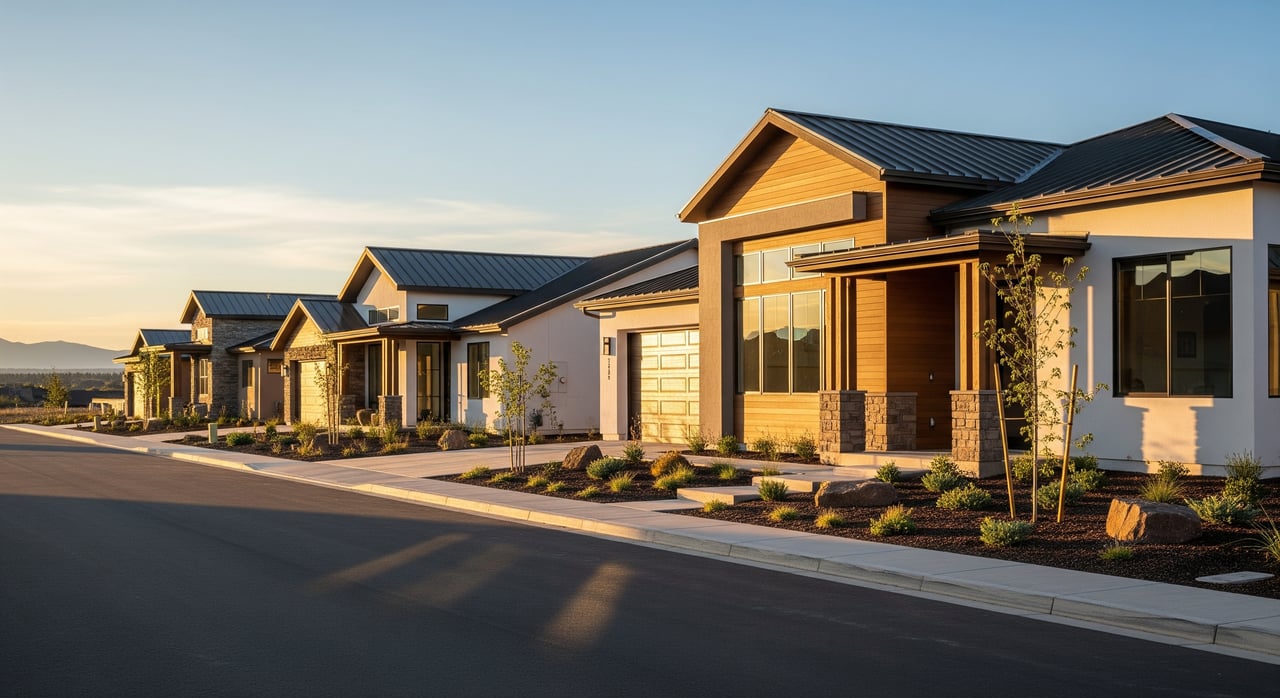
Thinking about a brand-new home in Redmond but not sure where to start? You are not alone. Many buyers weigh Redmond’s value and lot sizes against Bend’s amenities and wonder how timelines, upgrades, and winter weather will impact their build. In this guide, you will learn how new construction works in Redmond, how to compare builder types, what to expect with permits and inspections, and the smart questions to ask before you sign. Let’s dive in.
Why Redmond new construction stands out
Redmond typically offers more affordability and larger lot options for the same budget compared to Bend. You also see a wider range of entry-to-mid price new homes here, which can open more floor plan choices. Bend often delivers more retail and lifestyle amenities, yet at higher prices and with tighter inventory.
If you commute between the two, plan on roughly 20 to 30 minutes between central Redmond and central Bend in normal traffic. Your employer’s exact location and seasonality will affect that drive. For current market trends and inventory patterns, review local reports from the Central Oregon Association of REALTORS.
Neighborhood types you will find
Production subdivisions
Production builders develop phased neighborhoods with set floor plans and option packages. You get model homes for reference, predictable streetscapes, and faster delivery. Customization is limited, yet the timelines are usually more reliable and the pricing more standardized.
Semi-custom enclaves
Smaller regional builders may offer flexible plans with more finish choices. You can often adjust a layout, widen a garage, or upgrade key features without going full custom. Timelines are moderate and depend on plan changes and trade availability.
Custom homes on larger lots
Full custom projects give you complete design freedom on larger parcels or infill lots. They involve longer schedules, higher budgets, and more owner involvement. A design-build approach can help streamline plans, selections, and permitting.
Townhome and infill options
Closer to downtown Redmond, you can find infill projects including townhomes and smaller-lot builds. These can be attractive for low maintenance living or proximity to services. Expect variation in HOAs, CC&Rs, and finish levels by project.
Lot and phase factors to review
Many Redmond subdivisions release lots in phases. Corner lots, view lots, or parcels backing to open space can include premiums. Steep or unusual soils may need extra foundation work.
Infrastructure sometimes lags home completion in growing communities. Confirm the status of sidewalks, final paving, street trees, and full utility connections before closing. Review CC&Rs and HOA fees early to understand architectural controls, landscape standards, and what common-area maintenance covers.
Build paths and realistic timelines
Quick-move-in spec homes
If a home is already framed or in finishes, you can often close in about 1 to 3 months once interiors are underway. Specs are ideal if you want faster occupancy and a set price with fewer decisions.
Production built-to-order
Choosing a plan and option package from a production builder commonly takes about 4 to 8 months from contract, depending on lot readiness and scheduling. These communities balance personalization with predictability. For an overview of how phases flow, see the NAHB home building process.
Semi-custom builds
Expect a 6 to 9 month schedule for semi-custom projects. Plan tweaks and a broader finish menu add time. Change orders and long-lead items can extend delivery.
Full custom homes
Custom builds typically range from 9 to 18 months or more. Timeline drivers include design complexity, permitting, trade availability, and seasonality. Budget extra time if you plan to build through winter.
Common delay factors include permit backlogs, utility tie-ins, off-site improvements, winter weather, buyer change orders, and specialty product lead times.
Spec vs. custom: which fit is right?
- Spec homes: Faster move-in, set pricing, and easier visualization via models. Limited customization and finishes are usually preselected.
- Built-to-order: Balanced choice with plan options and tiered upgrade packages, yet with a longer timeline than spec.
- Full custom: Maximum design freedom and site-driven architecture with the longest schedule and highest cost.
If you value speed and simplicity, a spec may be best. If you want personalization without the complexity of custom, consider built-to-order. If the lot and design are primary, custom delivers the most control.
Upgrades and what to expect
Builders commonly offer tiered packages for kitchens, flooring, baths, and lighting. Popular choices include quartz or granite counters, cabinet upgrades, engineered hardwood or luxury vinyl plank flooring, tile shower surrounds, and smart thermostats. Mechanical upgrades often include high-efficiency HVAC or heat pumps, plus enhanced insulation or window packages to meet Oregon energy standards.
Prices vary by builder and package. Ask for a detailed, written upgrade list and confirm how changes impact both cost and schedule. For warranty coverage, many builders provide a first-year workmanship warranty and a longer structural program through providers like 2-10 Home Buyers Warranty. Get warranty documents in writing and note what is owner care versus builder responsibility.
Permits, inspections, and utilities in Redmond
Within city limits, the City of Redmond manages building permits and inspections. In unincorporated areas around Redmond, Deschutes County is your permitting authority. Review requirements early so your timeline and expectations stay realistic. Start with the City of Redmond resources and Deschutes County Building Division.
Expect typical inspections at footing or grade, foundation, framing and rough mechanicals, insulation, and final MEP followed by final building inspection for the certificate of occupancy. Oregon adopts statewide codes through the Oregon Building Codes Division, and Redmond enforces those through local permits.
Most city lots connect to municipal water and sewer, while rural parcels may require septic permits and site evaluations. Electrical and gas meter availability can affect scheduling. In new subdivisions, stormwater management and curb improvements are often phased.
Building through a Central Oregon winter
Redmond’s high-desert climate brings cold winters and periodic snow. That can affect excavation, foundation work, and exterior trades. Winter concrete needs protection and sometimes temporary heat or admixtures; see guidance from the American Concrete Institute for cold-weather concreting best practices.
Ask your builder for a winter work plan. Confirm how they protect concrete, handle heated enclosures, and manage site access during snow. Landscaping and final paving are often postponed until spring, so verify what closes now versus later and how items will be completed.
Redmond vs. Bend: how to decide
If you want more home or a larger lot for your dollar, Redmond typically provides better value. If you want immediate proximity to a broader retail and services base, Bend may fit better. Many buyers choose Redmond for value and commute into Bend.
Compare price per square foot across neighborhoods and factor in lot premiums. Test your door-to-door commute at your usual times, not just city center to city center. Review local plans for future infrastructure and employment zones to gauge long-term connectivity.
Buyer checklist for Redmond new builds
Use this quick checklist to stay organized:
- Confirm lot readiness, including utilities, final paving, and any off-site improvements.
- Get a written inclusion list showing appliances, window coverings, landscape items, and irrigation.
- Request a detailed upgrade price sheet or allowances and written change order procedures.
- Review builder warranties for workmanship and structure, including third-party providers if used.
- Clarify permitting timelines and who schedules inspections.
- Read HOA and CC&R documents and confirm fee schedules before signing.
- Arrange third-party inspections at pre-drywall and pre-closing if permitted.
- Ask for the builder’s winter plan and which items may be seasonally delayed.
- In phased communities, confirm timing for parks, trails, and common areas.
How Team Fitch helps you buy new
Choosing the right lot, plan, and builder is easier with a local advocate. Our team monitors neighborhood phases, tracks realistic timelines, and helps you compare upgrade packages so you get the design you want without surprises. We coordinate due diligence on utilities, CC&Rs, inspections, and warranties, and we negotiate builder incentives where appropriate.
When you are ready to explore new construction in Redmond or compare options with Bend, connect with Team Fitch Real Estate. Start your search or book a consultation and let’s map the best path from plan to keys.
FAQs
How long does a new build in Redmond usually take?
- Spec homes can close in about 1 to 3 months once finishes start; built-to-order often runs 4 to 8 months; semi-custom 6 to 9 months; full custom 9 to 18 months or more depending on complexity and season.
What is typically included in a base price for Redmond new homes?
- Inclusions vary by builder, so request a written list that covers appliances, counters, flooring, landscaping, irrigation, and window coverings, then add upgrades from a published price sheet.
How do builder warranties work for Oregon new construction?
- Builders usually include a first-year workmanship warranty and a longer structural program, often through providers like 2-10 Home Buyers Warranty; ask for coverage details in writing.
Will landscaping and driveways be complete at closing in new subdivisions?
- Not always; in winter, landscaping and final paving may be delayed until warmer months, so confirm what will be finished now versus scheduled later by the developer.
How does Central Oregon winter weather affect my construction schedule?
- Cold and snow can slow excavation, foundation work, and exterior finishes; winter concrete and site access require protective measures that can add time and cost.
Are HOAs and CC&Rs common in new Redmond neighborhoods?
- Many new communities have HOAs and CC&Rs governing design standards and common-area care, so review documents and fee schedules before you sign.
Should I buy a spec home or build new in Redmond?
- Choose a spec if you need speed and clarity on price and finishes; pick built-to-order or custom if you want more personalization and are comfortable with a longer timeline and more decisions.
Where can I verify permits and code requirements for Redmond builds?
- Start with the City of Redmond resources, Deschutes County Building Division, and the Oregon Building Codes Division for current processes and statewide codes.