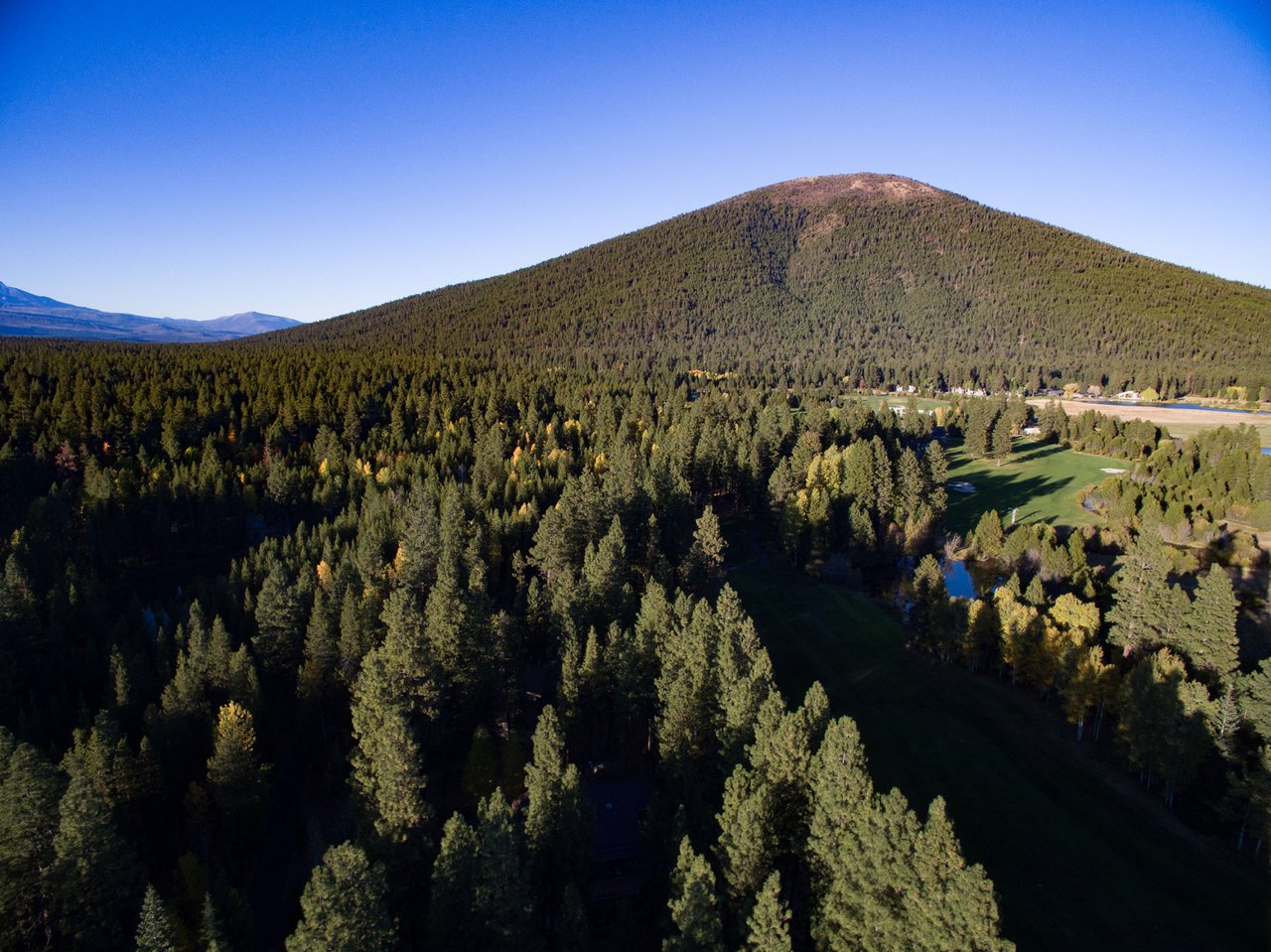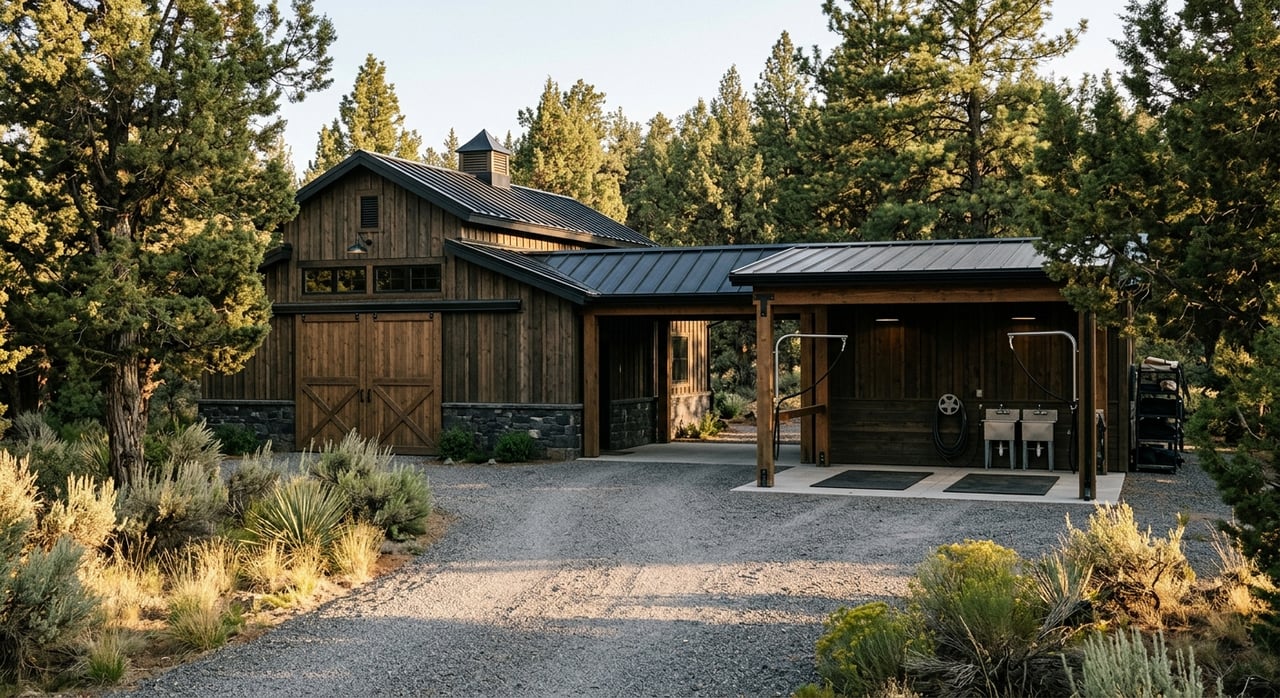
Dreaming of room for horses, hay, and big Central Oregon views? Buying acreage or equestrian property in Powell Butte can be incredibly rewarding, but it also comes with a different set of questions than buying in Bend or Redmond. If you want a property that truly works for your lifestyle, this guide will help you focus on the details that matter most before you close. Let’s dive in.
Why Powell Butte buying is different
Powell Butte sits in Crook County’s rural agricultural landscape, where land is shaped by farming, ranching, and wide-open use patterns. That means an acreage purchase is often less about neighborhood features and more about how the land functions day to day.
In practical terms, you are not just buying a home. You are also evaluating water, septic, road access, wildfire readiness, and whether the property supports the way you plan to live, ride, or manage animals.
EFU zoning matters
Crook County identifies an EFU-3 zone in the Powell Butte area, and farmland protections are an important part of how land use is regulated here. Dwelling types in EFU zones are strictly controlled to protect commercial farming and reduce conflicts between farm operations and rural homes.
Before you move forward, verify the parcel’s zoning and confirm whether any home, barn, shop, or accessory structure is legal and properly permitted. If you hope to add structures, divide land, or build another dwelling, county planning review may be required.
Special tax assessment can affect costs
Some acreage in Crook County may be specially assessed as farmland or forestland. While that can affect current tax treatment, Crook County warns that additional tax may apply if the property later loses eligibility.
That means a parcel that looks appealing on paper may carry future tax consequences depending on how it is used. It is worth understanding that status early so you are not surprised later.
Focus on water first
For most rural buyers, water is one of the biggest due-diligence items. In Powell Butte, that often means looking at both domestic well issues and any possible irrigation setup.
Domestic well testing
The Oregon Health Authority requires sellers of property with a domestic well to test the water for arsenic, nitrate, and total coliform bacteria during a real estate transaction. The seller must also submit the results and the required RET form.
As a buyer, you should ask for those results early. This gives you a clearer picture of water quality before you get too far into the process.
Irrigation is not automatic
If a parcel has ditch service or appears to have irrigation access, do not assume that means transferable or usable water rights come with the property. The Oregon Water Resources Department states that water rights are not automatic just because water flows past or under the land.
In Powell Butte, Crook County and Central Oregon Irrigation District materials show that the Central Oregon Canal serves the area, but access must be verified parcel by parcel. If irrigation matters for pasture, hay, or horse use, make sure you confirm exactly what rights or district delivery apply.
Septic can make or break a property
Rural acreage often does not have public sewer, so septic feasibility is a major issue in Powell Butte. Crook County’s On-Site Septic Program requires a site evaluation before construction approval, and the county development checklist places septic soil evaluation ahead of building permits.
If you are buying vacant or partially improved land, this is especially important. Even on improved property, you should confirm the drainfield location, soil suitability, and permit history.
What to verify on septic
When reviewing a property, ask about:
- Existing septic permits
- Site evaluation records
- Drainfield location
- Whether any future expansion could affect septic placement
- Any known repairs or system limitations
These details are not minor. They directly affect how you can use the property now and later.
Access is more than a driveway
A beautiful homesite does not help much if access is unclear or difficult year-round. In Crook County, a road approach step is required when access from a county-maintained or public road is involved, and right-of-way work requires a permit.
The county identifies activities such as driveway repairs, road cuts, and private water line installation as work that may need right-of-way approval. For buyers, this means you should look beyond whether a driveway exists.
Check access before closing
Confirm these points early:
- Is the road county-maintained or private?
- Is there a recorded legal easement if needed?
- Is the driveway approved?
- Can horse trailers, service vehicles, and emergency vehicles reach the property?
- Is access practical in all seasons?
Crook County’s Road Department provides maintenance and plowing services for the county road network, which can be helpful context when comparing different locations.
Wildfire readiness belongs on your checklist
Wildfire planning is part of rural ownership in Central Oregon. Crook County notes that fire season generally runs from mid-May through late September, and the Oregon State Fire Marshal emphasizes defensible space.
When you tour acreage, look at more than the home itself. Think about access for fire response, vegetation near structures, and how the property is set up for ongoing maintenance.
Powell Butte fire access considerations
Crook County Fire & Rescue maintains Station 1202 in Powell Butte, which is a useful local point of reference when evaluating rural response considerations. Even so, each property’s layout, driveway width, turn space, and vegetation conditions can affect how practical emergency access is.
A property that feels private and peaceful should also be workable from a safety standpoint. That balance matters.
What horse buyers should evaluate
If you are shopping for equestrian property, acreage alone does not tell the whole story. A parcel may look impressive in size but still fall short for actual horse use.
OSU Extension in Crook County offers resources tied to hay, pasture, irrigation, soil, and pest management, and Crook County SWCD provides technical and financial assistance to land managers. That local agricultural framework is a good reminder to evaluate how the land performs, not just how it looks.
Look at the land like horse ground
As you compare properties, pay attention to:
- Pasture condition
- Drainage
- Turnout space
- Fencing layout and condition
- Shade and wind exposure
- Winter mud patterns
- Arena siting potential
- Manure handling setup
- Reliable water for animals and forage
These factors shape everyday ownership. They also influence how much work and expense may be needed after closing.
Verify barns and existing improvements
If a property already has barns, loafing sheds, shops, or arenas, verify that those improvements align with county records and the approved site plan. Crook County notes that the site map approved in planning is used throughout the permitting process.
If structures were added or changed without documentation, that can create issues later. It is much better to know that before you buy than after.
Build the right due-diligence team
A Powell Butte acreage purchase usually benefits from more specialized review than a typical in-town home purchase. The right professionals can help you understand land function, infrastructure, and local requirements before you commit.
Crook County government resources point buyers toward the agencies that matter most, including Community Development, Environmental Health, the Road Department, OSU Extension, and Crook County Fire & Rescue. Depending on the property, useful outside professionals may include a rural-home inspector, septic evaluator, well contractor or pump specialist, surveyor, and someone familiar with Oregon water rights and district delivery.
Questions to ask early
The sooner you answer a few core questions, the smoother your search will be. These are some of the most important ones for Powell Butte acreage and equestrian property:
- Is the parcel in EFU-3 or another zone?
- Are existing structures permitted?
- Is there a recent well test?
- Are there verified irrigation rights or district water service?
- Is septic approved, and where is the drainfield?
- Is the driveway legal and usable for trailers and emergency vehicles?
- Is the property set up for defensible space and wildfire preparedness?
Clear answers can save you time, money, and stress. They can also help you separate a scenic parcel from one that truly supports your goals.
Why local guidance helps
Buying in Powell Butte often means balancing lifestyle goals with county process, land-use rules, and infrastructure realities. That is especially true if you are looking for horse property, ranch acreage, or a rural home with room to grow.
Having a local real estate team that understands Central Oregon lifestyle property can make that process feel much more manageable. The right guidance helps you ask better questions, spot potential issues sooner, and move forward with confidence.
If you are considering acreage or equestrian property in Powell Butte, Team Fitch Real Estate can help you evaluate the opportunities with a clear, local perspective.
FAQs
What should you check first when buying acreage in Powell Butte?
- Start with zoning, water, septic, and access because those issues often shape what the property can support and what approvals may be needed.
Do water rights automatically come with Powell Butte acreage?
- No. Oregon states that water rights are not automatic just because water flows past or under the land, so irrigation access and rights need to be verified for each parcel.
Do sellers need to test domestic well water in an Oregon real estate sale?
- Yes. The Oregon Health Authority requires testing for arsenic, nitrate, and total coliform bacteria, along with submission of the required real estate transaction form.
Why does septic matter so much for rural property in Crook County?
- Many rural properties do not have public sewer, and Crook County requires septic site evaluation as part of the development process, so soil suitability and permit history are important.
What should equestrian buyers look for in Powell Butte land?
- Focus on pasture condition, drainage, turnout space, fencing, water reliability, shade, mud patterns, and whether existing improvements fit your intended horse use.
Can existing barns or shops create problems during a Powell Butte purchase?
- Yes. If improvements do not match county records or the approved site plan, that can create permitting or compliance issues later.