Welcome to
Bend
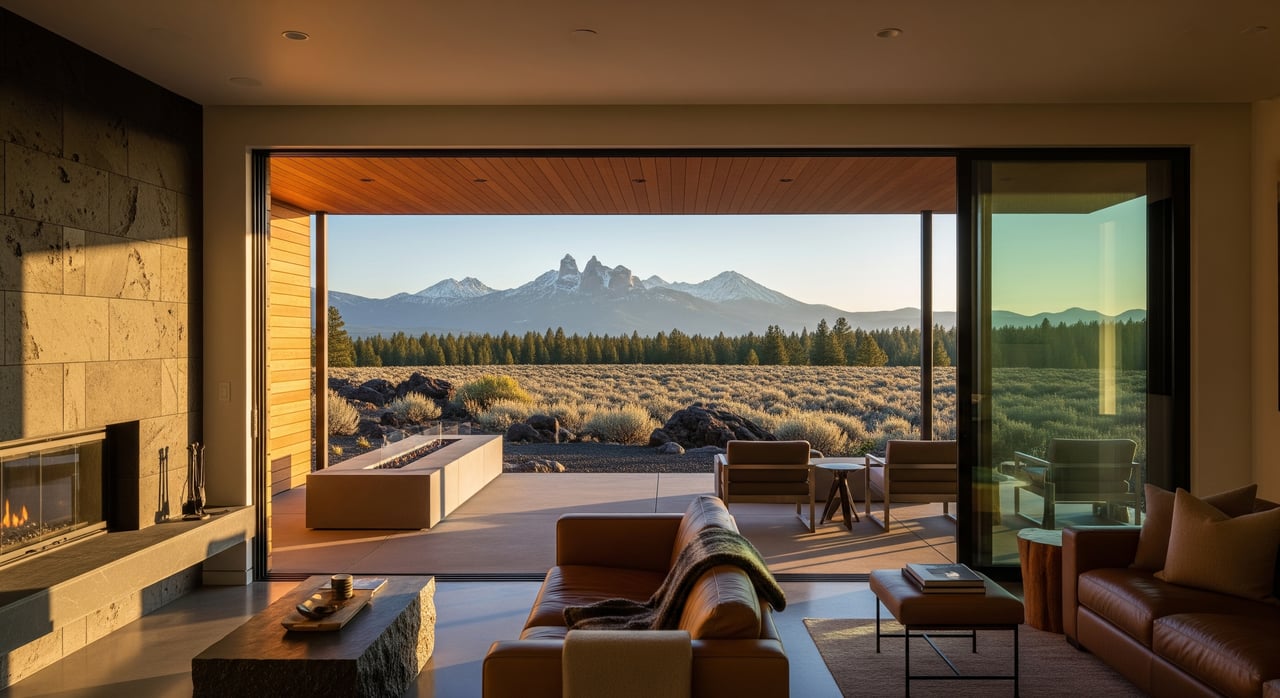
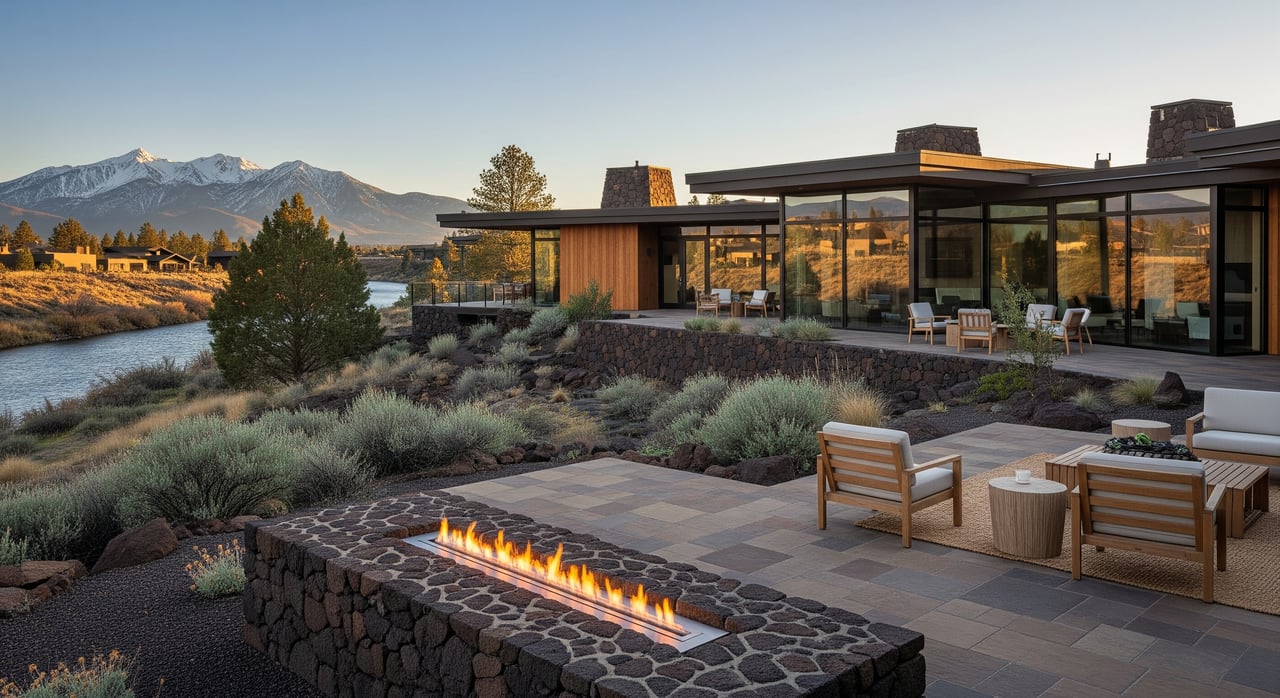
Where luxury meets the laid-back pace of mountain living.
102,163 people live in Bend, where the median age is 41 and the average individual income is $48,654.035. Data provided by the U.S. Census Bureau.
Total Population
Median Age
Population Density
Average individual Income
Bend has evolved from a timber town into one of the Pacific Northwest's most desirable communities, drawing outdoor enthusiasts, remote workers, and families seeking quality of life over urban convenience. The city sits at the confluence of mountain recreation, craft culture, and entrepreneurial energy—offering 300 days of sunshine annually, immediate access to the Cascade Range, and a downtown that balances sophistication with mountain-town authenticity.
People move here for the lifestyle: world-class skiing, mountain biking, rock climbing, paddleboarding, and hiking are all within minutes of your doorstep, while a thriving arts scene, award-winning breweries, and a tight-knit community provide the cultural amenities typically reserved for larger cities. Bend attracts those willing to trade big-city salaries and services for unparalleled outdoor access and a community that still knows its neighbors.
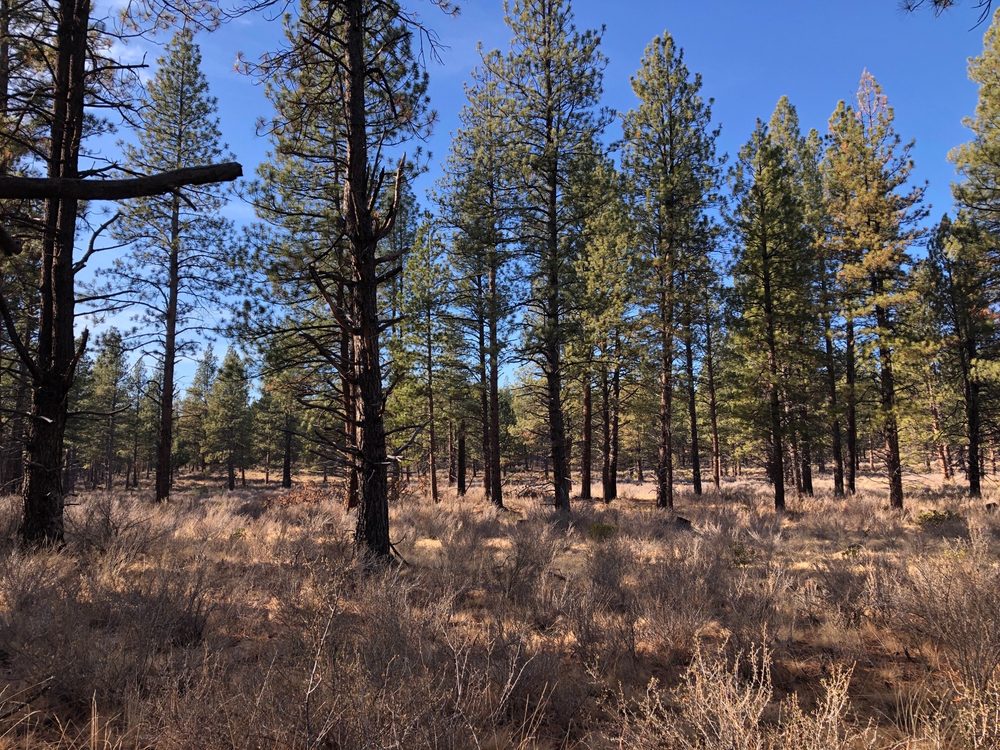
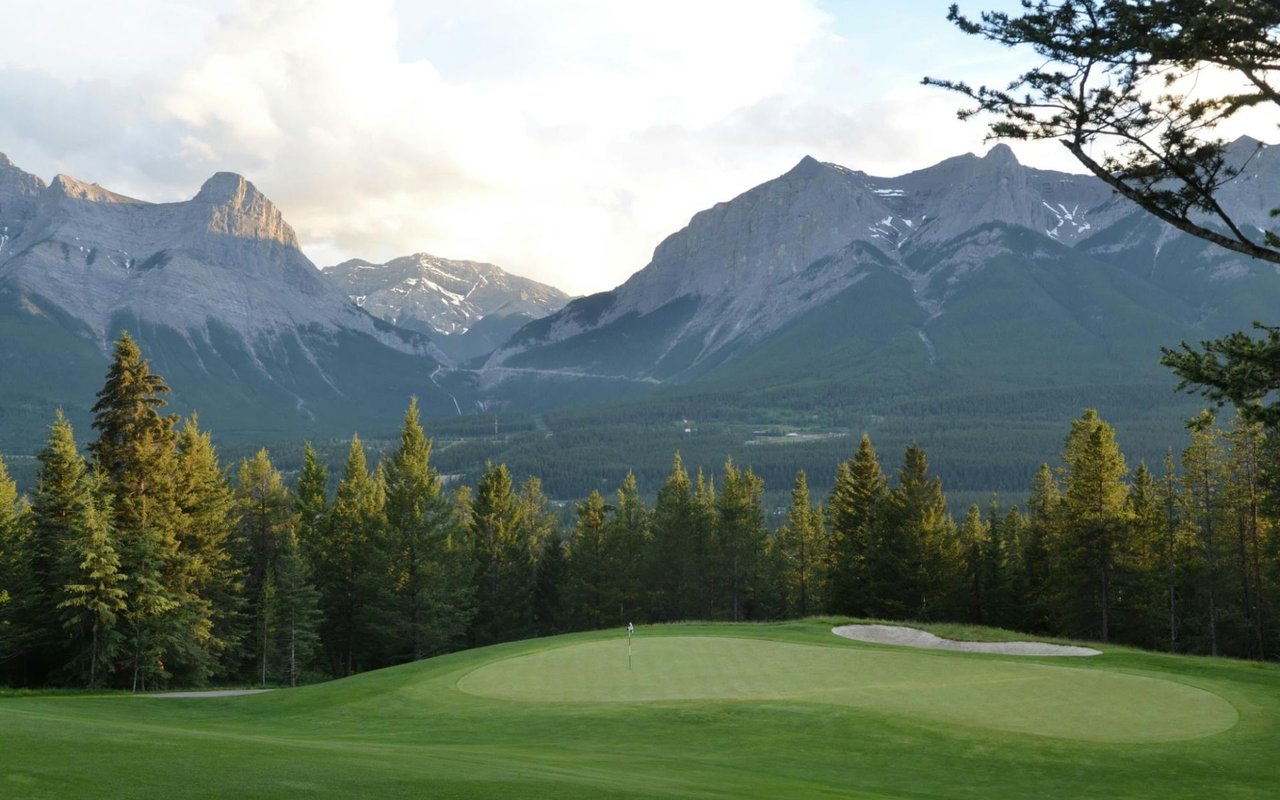
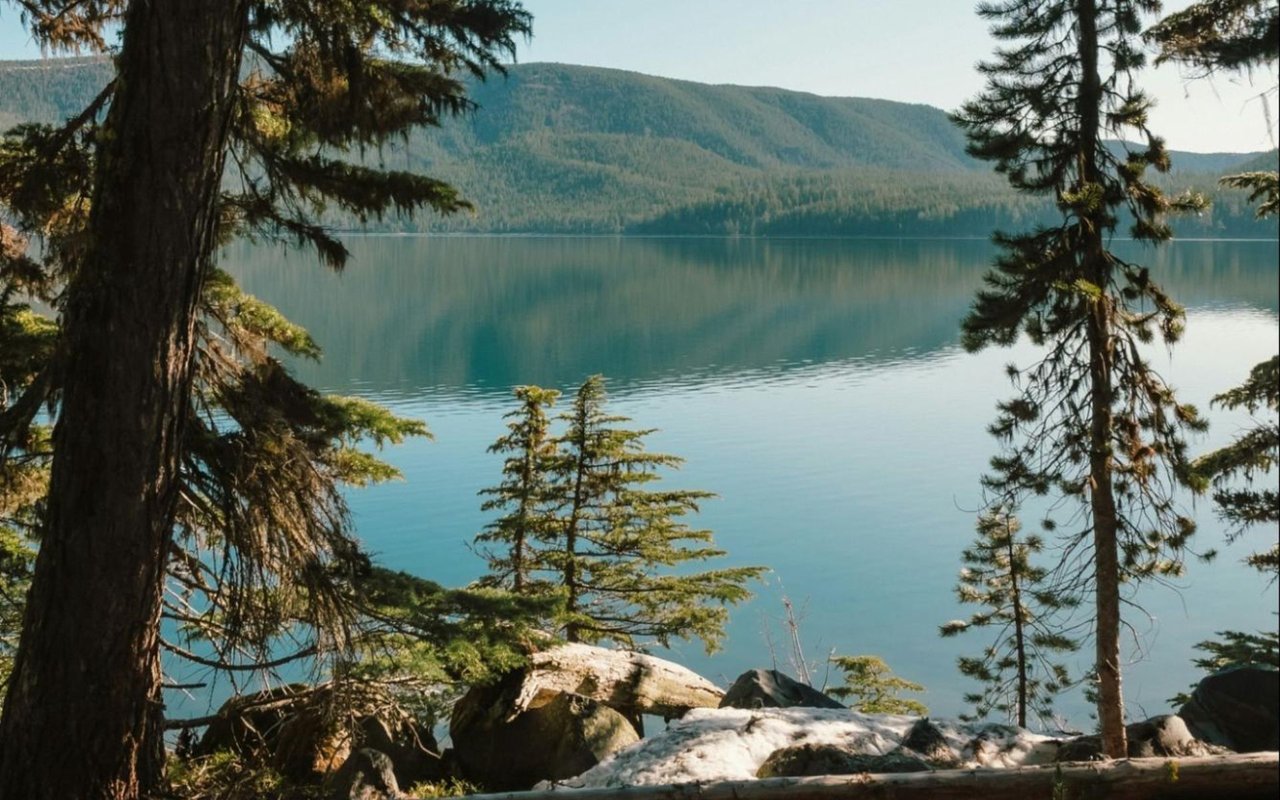
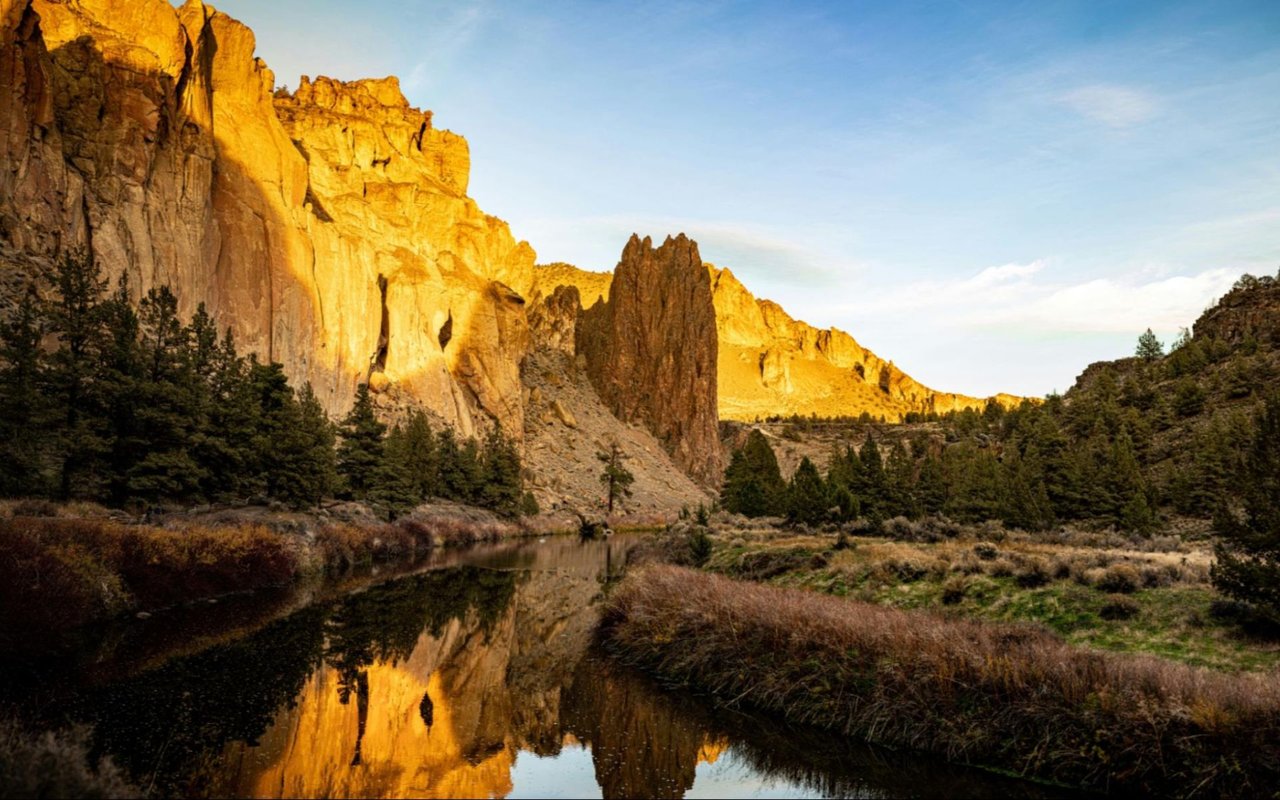
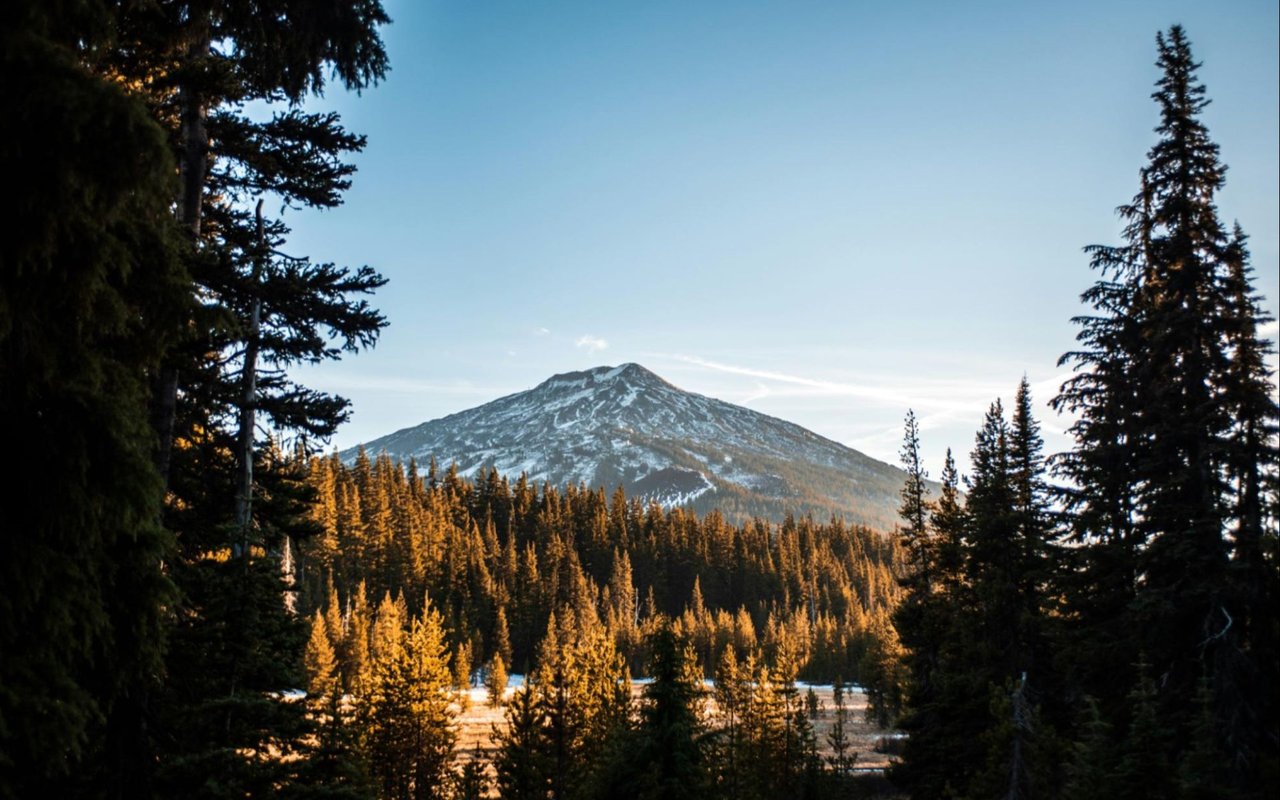
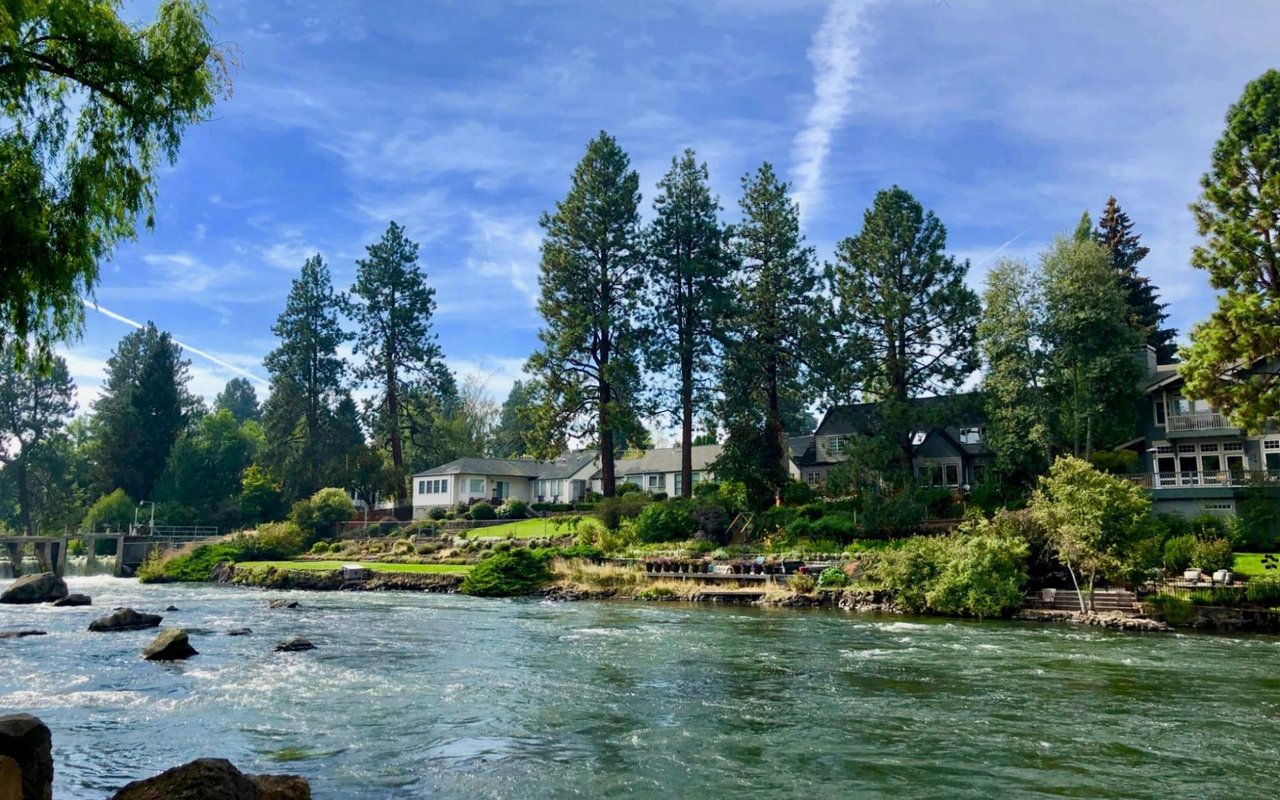
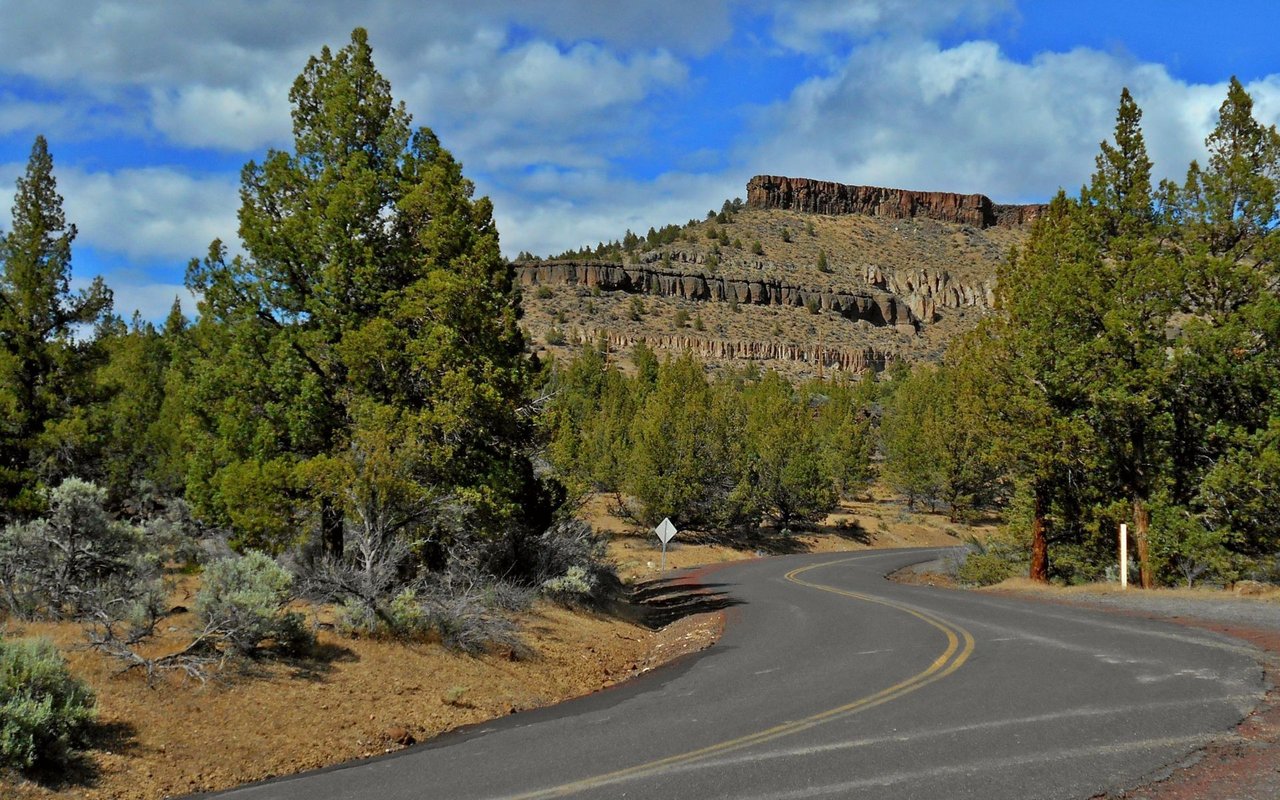
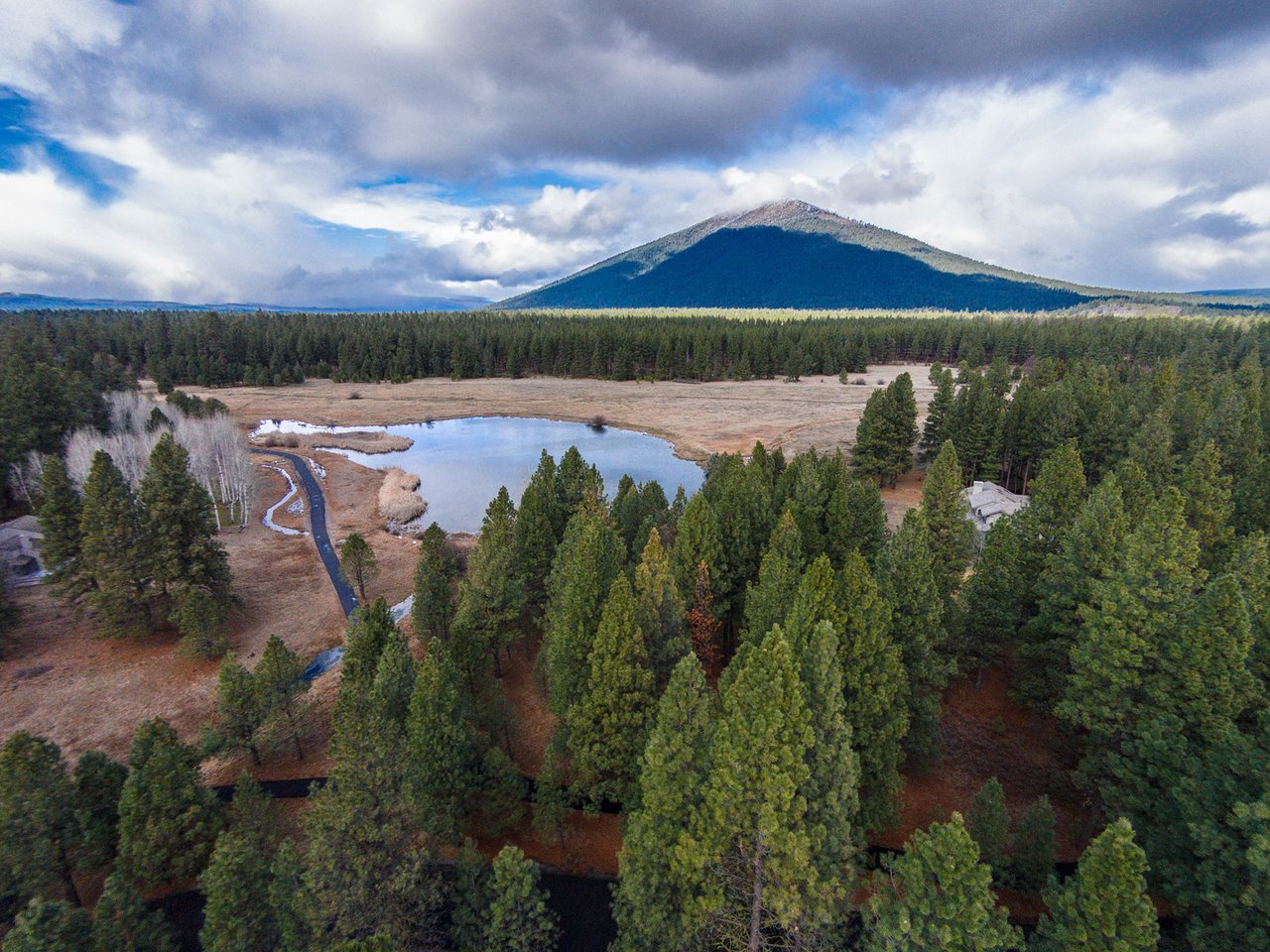
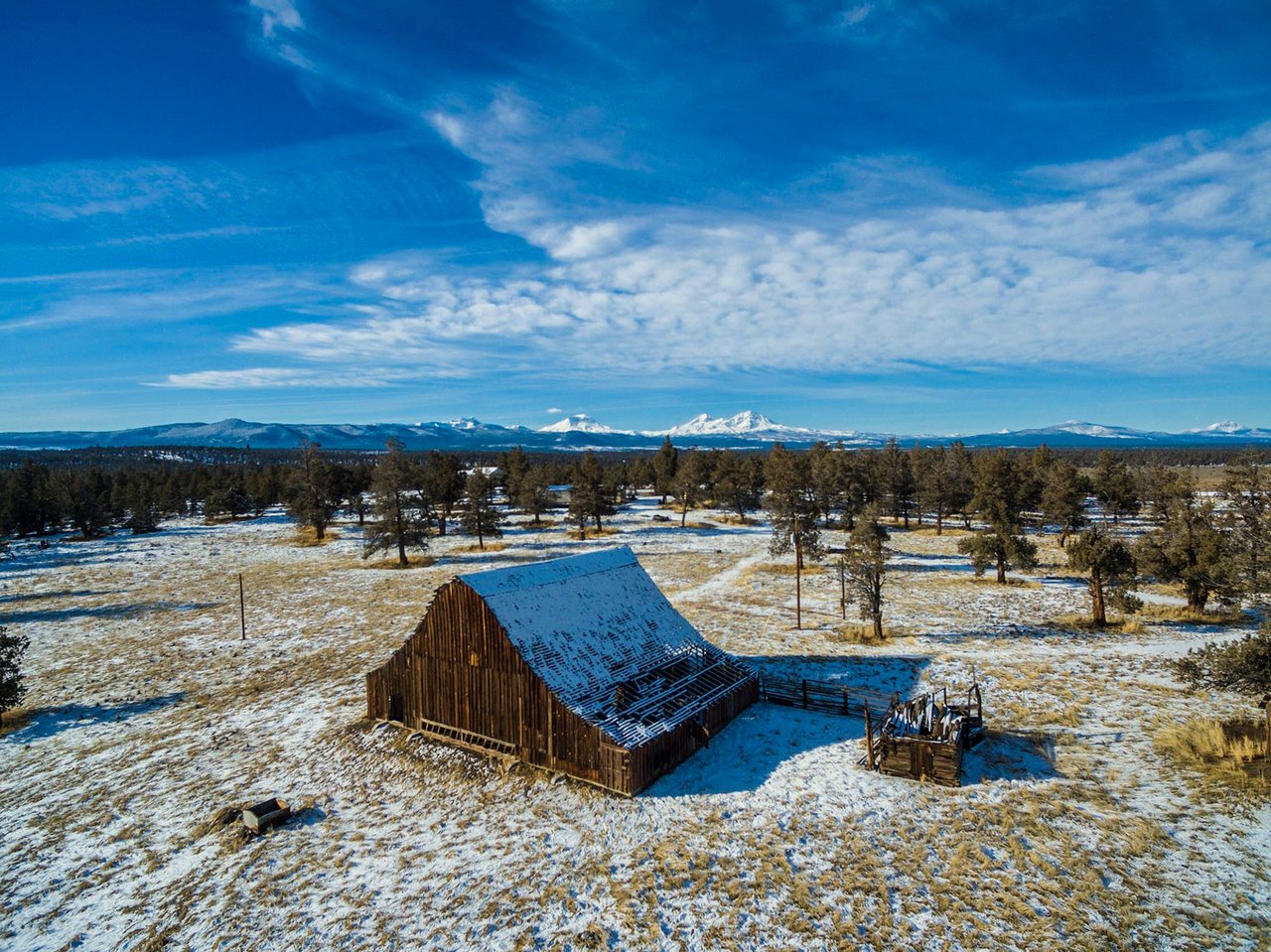
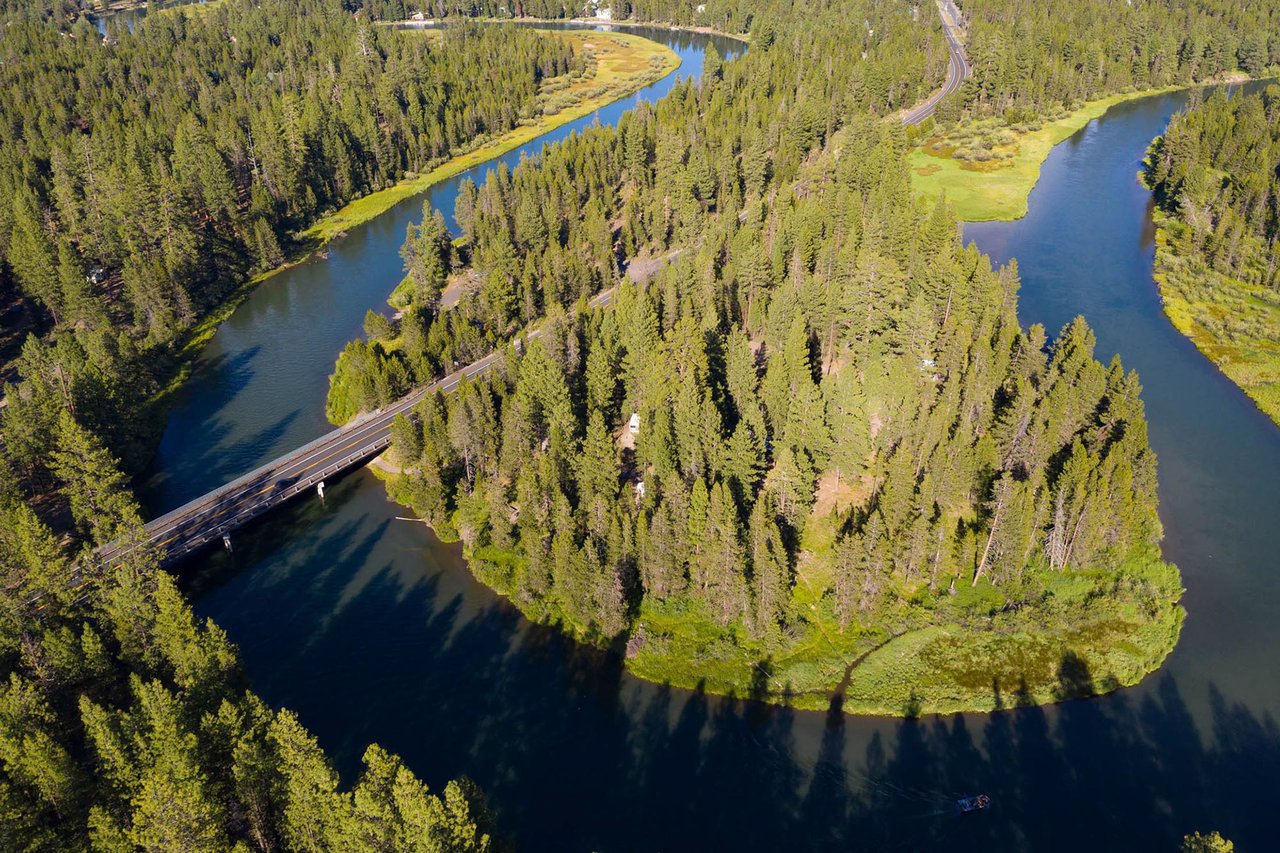
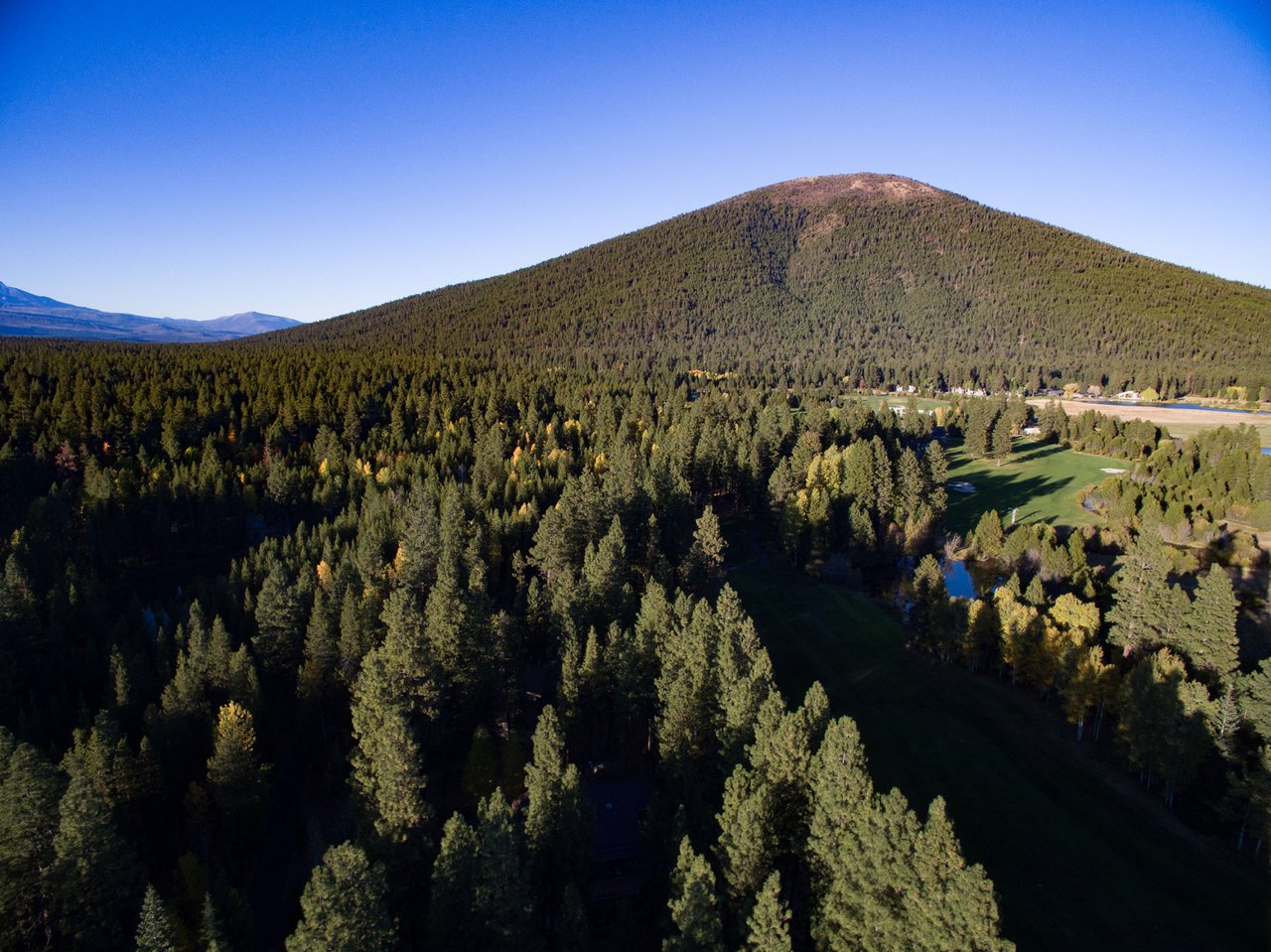
Bend occupies 35 square miles in Central Oregon's high desert, positioned on the eastern slopes of the Cascade Mountains at roughly 3,600 feet elevation. The Deschutes River curves through the city's western edge, creating the signature Old Mill District and providing the thread that connects neighborhoods from the north end to the south. Mount Bachelor (22 miles west) dominates the skyline, while the Three Sisters Wilderness defines the western horizon.
The city layout centers on a walkable downtown core bounded roughly by Revere Avenue to the north, Reed Market Road to the south, and extending from the river eastward to 3rd Street. Northwest Bend includes the Westside Village and Awbrey Butte neighborhoods with elevation views. Northeast Bend encompasses newer developments off Highway 20 toward Tumalo. Southeast Bend contains the rapidly developing areas along Highway 97 toward Sunriver, while Southwest Bend includes the Old Mill District and established neighborhoods near Drake Park.
Getting around Bend heavily favors personal vehicles, though the city's compact nature makes cycling viable for those living centrally. Cascades East Transit provides limited public bus service. Most residents rely on cars, particularly in winter when snow accumulation affects side streets. The city is highly bike-friendly with an extensive trail system—the Deschutes River Trail connects many neighborhoods, and dedicated bike lanes exist throughout the core. Redmond Municipal Airport (20 minutes north) handles commercial flights, while Portland is a 3.5-hour drive for international connections.
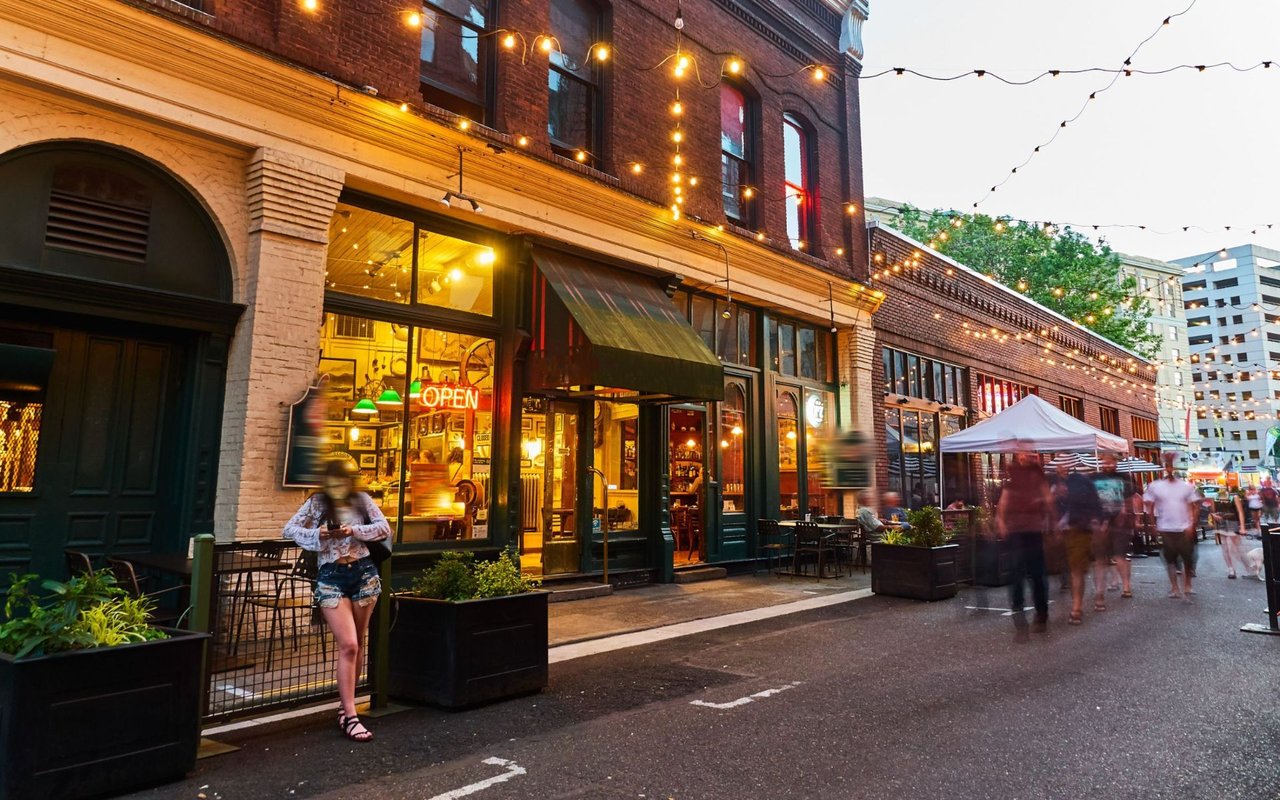
Bend's culture revolves around outdoor recreation with an intensity that borders on obsession. This is a town where business meetings happen on trail runs, where powder days take precedence over office hours, and where bike racks outnumber parking spaces at many establishments. The vibe is casual, outdoorsy, and fitness-oriented—Patagonia and Arc'teryx constitute formal wear for most occasions.
The demographic profile skews white (87%), educated (45% hold bachelor's degrees or higher), and increasingly wealthy. Median household income sits around $73,000, but that figure masks growing disparity—tech workers and California transplants with remote incomes live alongside service workers struggling with housing costs that far exceed local wages. The population of approximately 105,000 remains relatively young (median age 40), with substantial numbers of families and active retirees. The tech sector has grown significantly, with remote workers and startup founders drawn by quality of life. Tourism, healthcare, outdoor recreation industry, and craft brewing form other economic pillars.
Community identity centers on environmental stewardship, outdoor ethics, and local business support. Bend residents are politically moderate by Oregon standards—the city leans liberal while the surrounding county trends conservative. The culture values self-sufficiency, outdoor competence, and authenticity over pretense. There's an unspoken hierarchy based on who arrived when, with tensions between longtime locals and newcomers driving up housing costs and changing the town's character.
The pace of life slows considerably from urban standards. Traffic jams are minimal, rush hour is manageable, and stress often comes more from deciding which activity to pursue than from work pressures. Social life revolves around recreational activities, brewery gatherings, and community events rather than formal entertainment. Bend attracts people seeking work-life integration—those who want to ski before work, bike at lunch, and paddle after dinner.
Bend's housing market has experienced explosive growth over the past decade, with median home prices jumping from roughly $350,000 in 2015 to over $650,000 in 2024. The market remains highly competitive, with limited inventory and strong demand from California equity refugees, remote workers, and retiring baby boomers.
Property Types
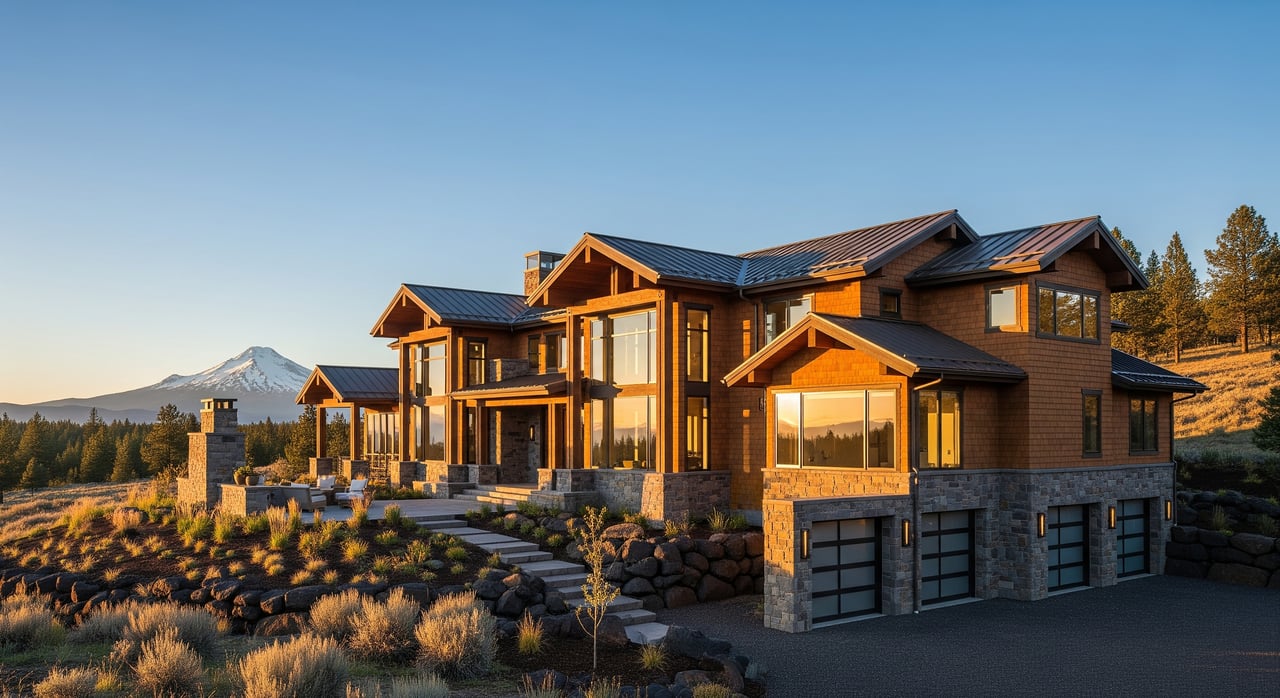
Single-family homes dominate the landscape, ranging from 1970s ranchers in established neighborhoods to new construction craftsman and contemporary builds in subdivisions spreading east and north. Typical homes offer 1,800-2,500 square feet on quarter-acre lots, though newer developments feature tighter spacing. The Old Mill District and downtown areas offer condos and townhomes ranging from $400,000-$900,000. Luxury properties—particularly those with mountain views on Awbrey Butte or along the river—command $1-3 million+. Investment properties exist primarily as short-term vacation rentals, though regulations have tightened significantly.
Recent Market Data
As of late 2024, the median home price hovers around $650,000-$680,000, with inventory at roughly 2-3 months (still a seller's market despite recent cooling). Days on market have increased from the pandemic frenzy—now averaging 30-45 days versus under 10 during peak competition. Cash offers remain common (30-40% of transactions), and properties below $500,000 disappear immediately. The rental market is equally tight, with median rent for a 2-bedroom around $1,800-$2,200.
Why Invest in Bend
Property values have shown consistent long-term appreciation driven by limited buildable land (hemmed in by National Forest), strong demand, and lifestyle appeal. Bend's economy has diversified beyond tourism, with tech and remote work providing stability. The quality-of-life factor drives sustained population growth—people accept higher costs to live here. Short-term rental potential exists for those navigating regulations. The market faces headwinds from affordability constraints, potential tech sector contractions, and climate concerns (wildfire smoke, drought), but the fundamental supply-demand imbalance favors continued appreciation, albeit at moderated rates.
For Buyers:
For Sellers:
Schools & Education
Bend-La Pine Schools serves most of Bend with 28 schools enrolling about 17,000 students. The district receives mixed reviews—test scores generally track above state averages, but budget constraints and growth pressures strain resources. Summit High School and Bend Senior High School are the main public high schools, with Mountain View High School serving the expanding south end. Private options include Cascade Christian School (K-12), The Cascade School of Music, and several Montessori programs.
The district's strengths include robust outdoor education programs integrating Central Oregon's landscape, strong community support, and decent arts and athletics offerings. Challenges include teacher retention, overcrowded classrooms in growth areas, and achievement gaps. Many families supplement with homeschooling co-ops that leverage the outdoor environment.
Central Oregon Community College (COCC) provides two-year degrees, career training, and transfer programs. OSU-Cascades, the Bend campus of Oregon State University, offers four-year degrees in a growing campus south of town. Both institutions serve traditional students and adult learners seeking retraining for Bend's evolving economy.
Parks and Outdoor Spaces
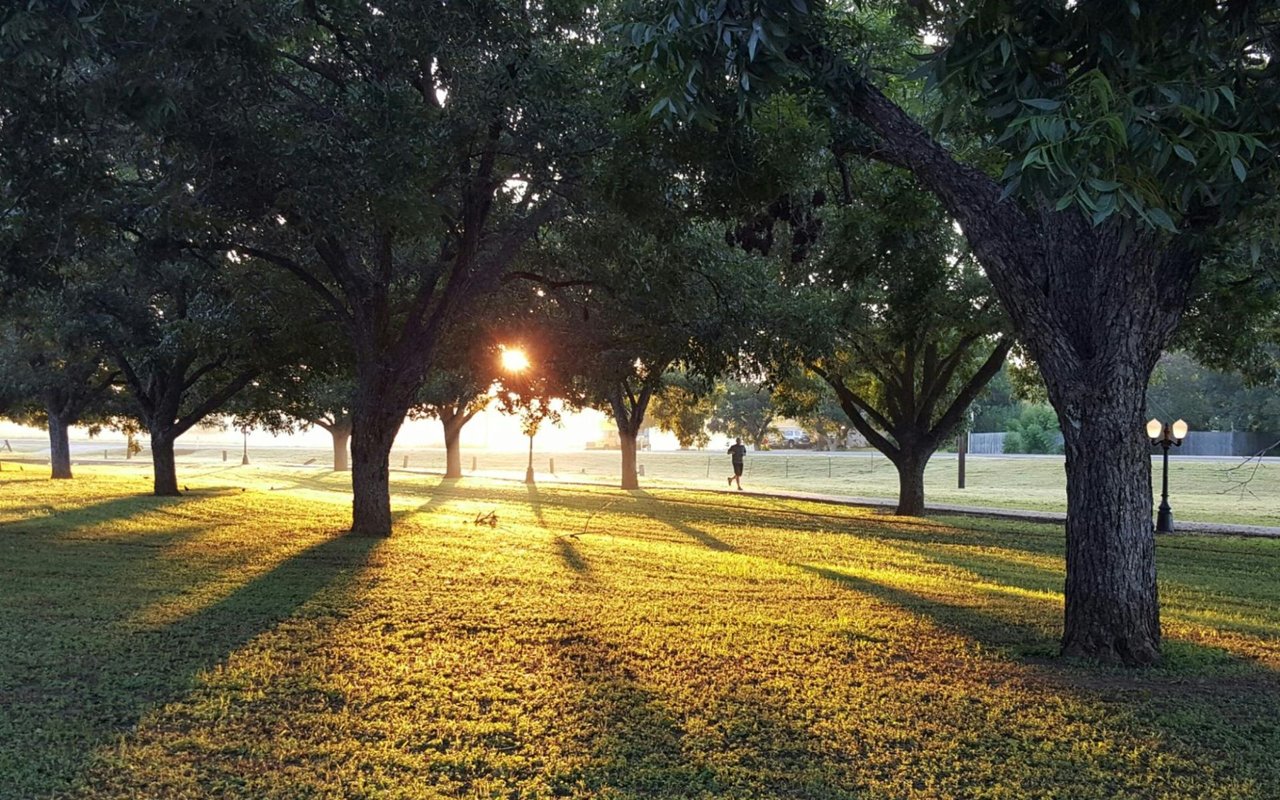
Bend's outdoor access is its defining feature. The city maintains 86 parks totaling over 2,300 acres, but the real assets are the surrounding public lands.
Shopping, Dining, and Entertainment
Shopping: The Old Mill District serves as Bend's outdoor shopping center with REI, lululemon, Patagonia, and national retailers mixed with local boutiques. Downtown features independent shops along Bond Street and Wall Street—Dudley's Bookshop, Cowgirl Cash, Bliss Boutique. Box Factory and the Midtown District offer maker spaces and local goods. The Bend Factory Stores provide outlet shopping on the north end. Farmers markets run May-October at Brooks Alley (Wednesdays) and NorthWest Crossing (Saturdays).
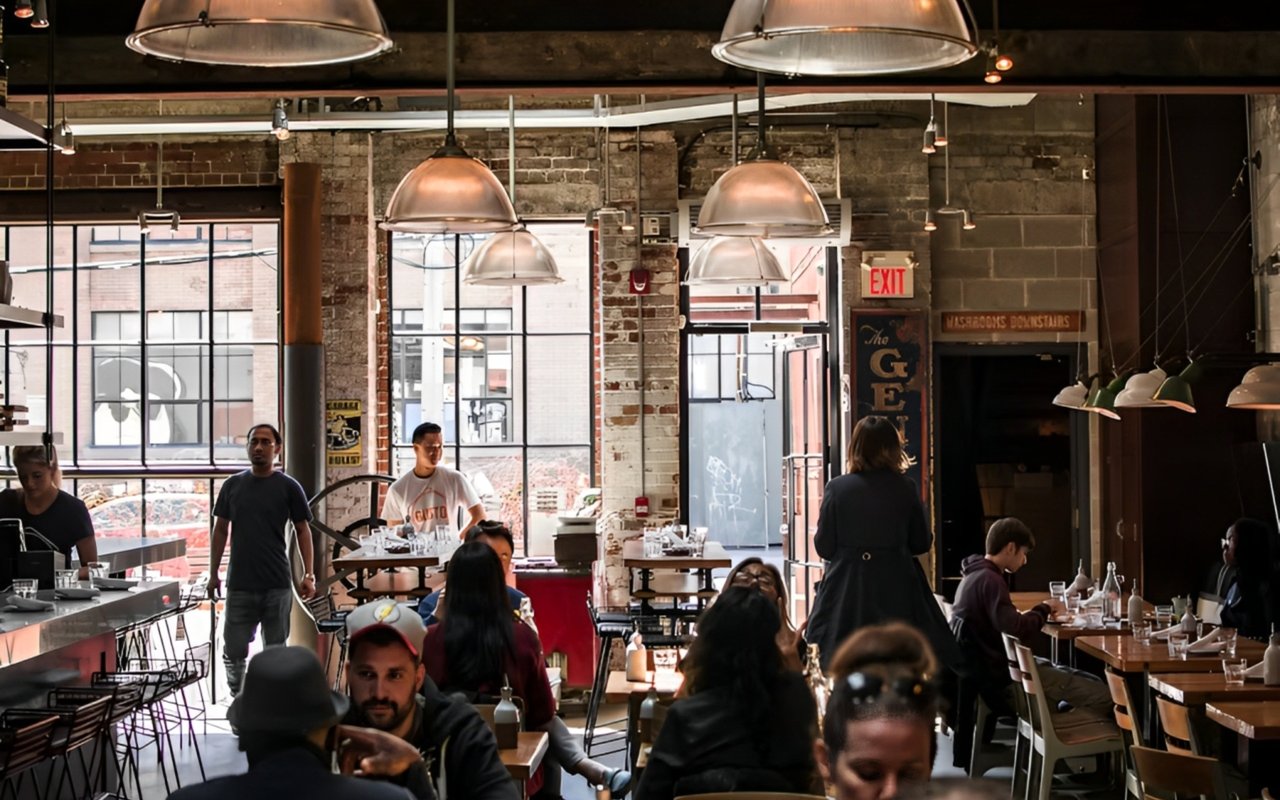
Dining: Bend's food scene punches above its weight. Ariana Restaurant offers upscale Mediterranean with local ingredients. Joolz delivers Middle Eastern flavors. 900 Wall provides fine dining downtown. Jackson's Corner serves as the neighborhood gathering spot with farm-to-table comfort food. Zydeco Kitchen & Cocktails brings Southern and Creole influences. Taco joints proliferate—Jefe's, La Rosa, and Papi Chulo's compete for supremacy. Sparrow Bakery's ocean rolls draw morning lines. The scene skews casual with outdoor patios and dog-friendly spaces.
Breweries: Bend claims 30+ breweries and the title of "Beer Town USA." Deschutes Brewery pioneered the craft movement and maintains its flagship pub downtown. 10 Barrel, Crux Fermentation Project, and Boneyard Beer draw loyal crowds. Newer entries like Bend Brewing, Sunriver Brewing, and McMenamins Old St. Francis School add variety. The tasting-room culture defines social life—breweries function as living rooms where neighbors gather.
Entertainment: The Tower Theatre (1940 Art Deco venue) hosts concerts, comedy, and community events. Les Schwab Amphitheater brings national touring acts to a 7,500-capacity outdoor venue May-September. Hayden Homes Amphitheater (8,000 capacity) supplements the summer concert scene. The Tin Pan Theater shows independent and foreign films. BendFilm Festival (October) screens independent cinema. The 2nd Street Theater (Cascades Theatrical Company) and Second Street Productions stage local theater.
Local Attractions and Things to Do
Landmarks and Points of Interest
Events and Festivals
Cafes and Nightlife
Coffee Culture: Bend supports numerous coffee roasters and cafes. Thump Coffee roasts locally and operates multiple locations. Strictly Organic Coffee Company draws the morning crowd. Lone Pine Coffee Roasters and Backporch Coffee Roasters offer alternatives. The scene emphasizes outdoor seating, dog-friendly patios, and laptop warriors.
Nightlife: Bend's nightlife remains modest compared to urban centers but has grown with population. Velvet Lounge and Astro Lounge offer cocktail scenes. Summit Saloon brings country and Americana music. The Domino Room provides cocktails and small plates. Cascade West Grille and Lounge offers live music. Most nightlife revolves around brewery taprooms staying open until 10-11 PM. The town quiets considerably by midnight—this isn't a party destination for club-seekers.
Bend residents cite unparalleled outdoor access as the primary draw—the ability to ski before work, mountain bike at lunch, and paddleboard after dinner creates a lifestyle impossible in most places. The 300 days of annual sunshine contrast sharply with the rainy western Oregon valleys many escaped. The mountain backdrop provides constant visual reward and weekend adventure without long drives.
The community's scale hits a sweet spot—large enough to support quality restaurants, breweries, and cultural offerings while small enough that you regularly encounter familiar faces. People appreciate the strong local business culture and the sense of supporting neighbors rather than chains. The entrepreneurial energy attracts self-starters and remote workers who value autonomy.
Families love the outdoor-oriented childhood Bend provides—kids grow up skiing, climbing, and camping as normal weekend activities. The relative safety, good schools (by Oregon standards), and family-friendly culture appeal to those raising children. Retirees appreciate the active lifestyle options, low humidity, and four-season recreation.
The craft beer culture creates social infrastructure—breweries serve as gathering spaces where solo newcomers can integrate into community. The fitness culture means staying active and healthy feels socially reinforced rather than exceptional.
People accept Bend's tradeoffs—limited diversity, increasing housing costs, smoky summer wildfire seasons, winter cold, and relative isolation—because the lifestyle payoffs outweigh these limitations. The town attracts those who prioritize experiences over material consumption, who value mountains over museums, and who want outdoor adventure as everyday reality rather than vacation escape.
Awbrey Butte: The mesa rising 800 feet west of downtown offers Bend's premier views. Properties along Awbrey Butte Summit Road, Mt. Washington Drive, and overlook streets command $1-3 million+ for panoramic Cascade and city views. Large lots, privacy, and elevation create exclusivity, though winter access requires vigilance.
Broken Top Neighborhood: This planned community northwest of town surrounds a members-only golf club. Properties range from $800,000-$3 million, featuring mountain architecture on larger lots with trail access and Three Sisters views.
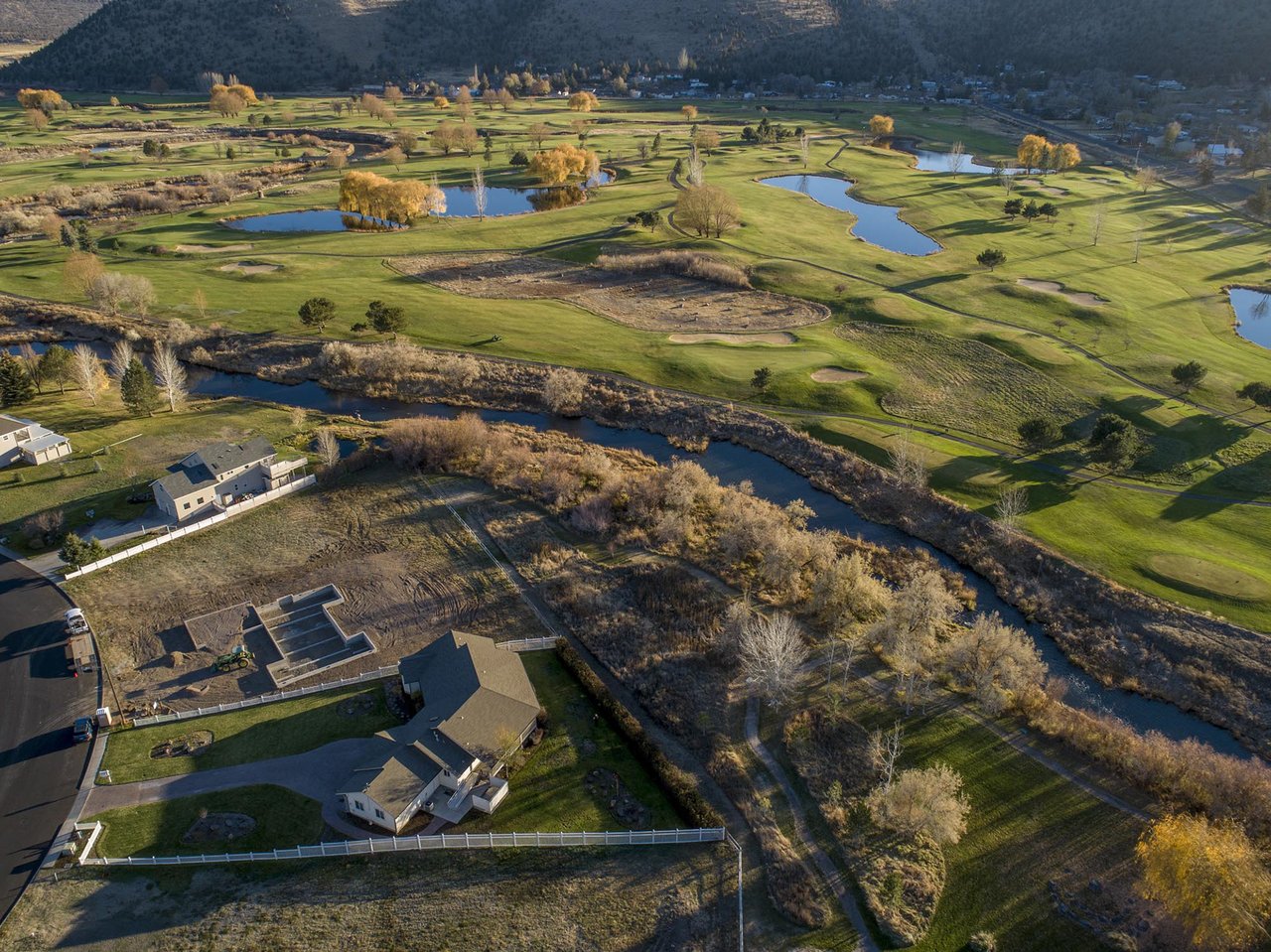
Deschutes River Properties: Homes with river frontage anywhere along the Deschutes command premiums. The stretch from Farewell Bend Park through Riverbend Park offers the most accessible riverfront living. Direct water access with kayak launches, private fishing, and the river's soundtrack create sought-after settings. Expect $1-2 million+ for riverfront homes depending on location and improvements.
Northwest Crossing: This newer master-planned community northwest of downtown (west of 14th Street, north of Shevlin Park Road) offers walkable neighborhoods with parks, trails, community pool, and architectural standards. Properties here—particularly along streets like NW Glassow Drive, NW Outlook Vista, and NW Mount Washington Drive—attract families seeking new construction with community amenities. Prices range $650,000-$1.2 million.
Old Mill District Condos and Townhomes: Living along the river within walking distance of shopping, dining, and entertainment appeals to lock-and-leave buyers and young professionals. Properties in the Riverfront Lofts, Mill Quarter, and similar developments offer urban-style living rare in Bend. Expect $400,000-$900,000 depending on size and river views.
Downtown Historic District: The blocks surrounding Drake Park (particularly along NW Tumalo Avenue, NW Riverside Boulevard, and historic streets between Newport and Franklin) feature craftsman homes and bungalows with character, mature landscaping, and walkability to downtown. Properties here—when they become available—command $800,000-$1.5 million for the location and charm.
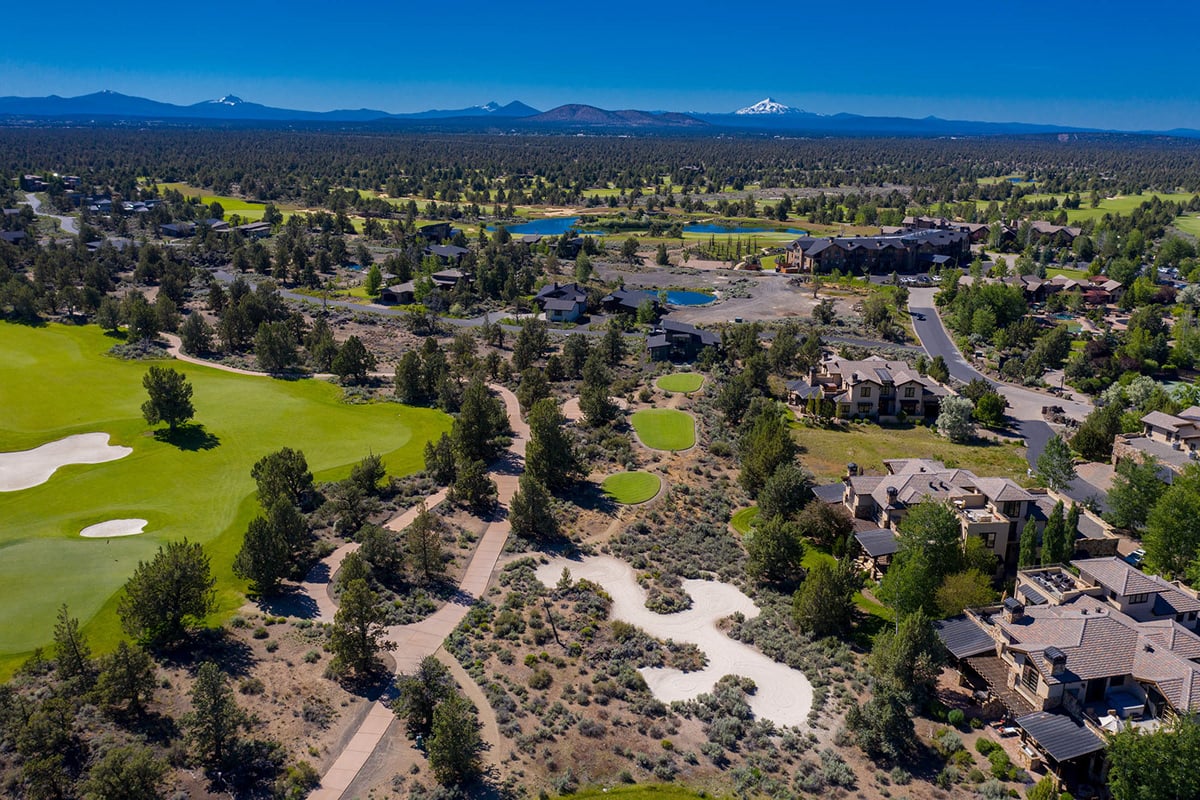
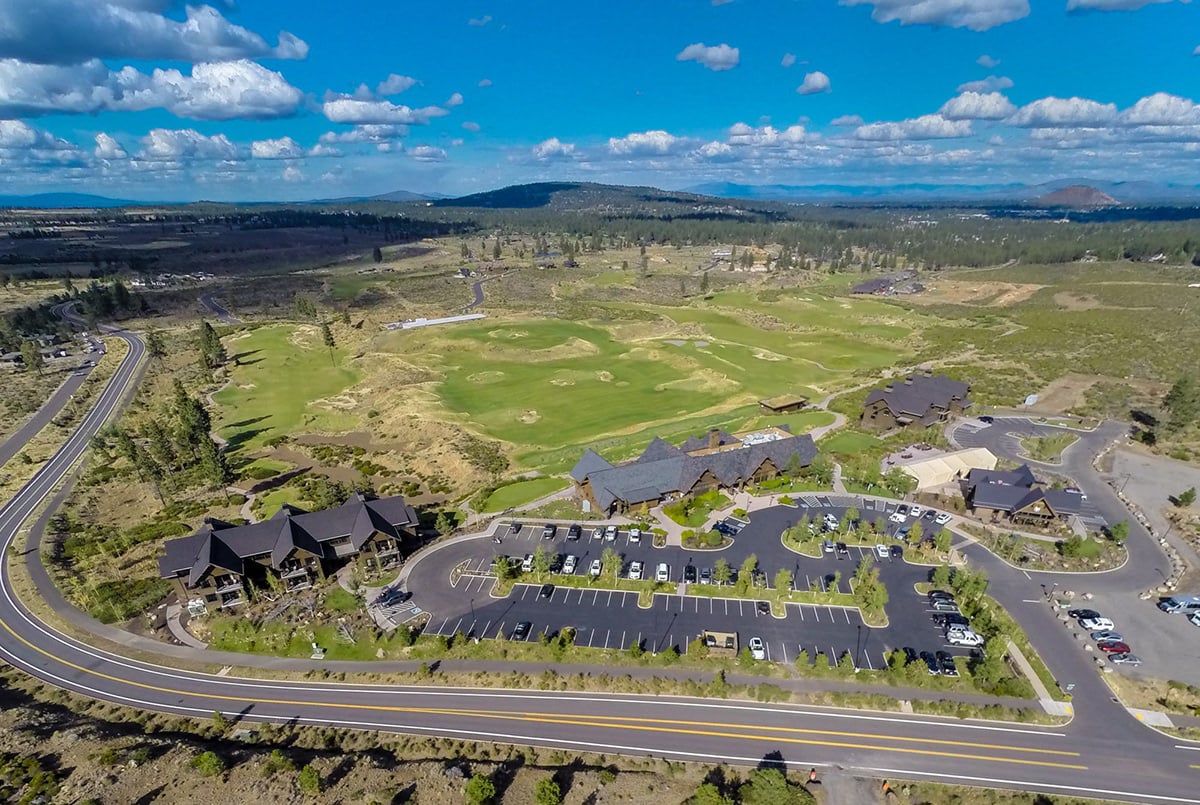
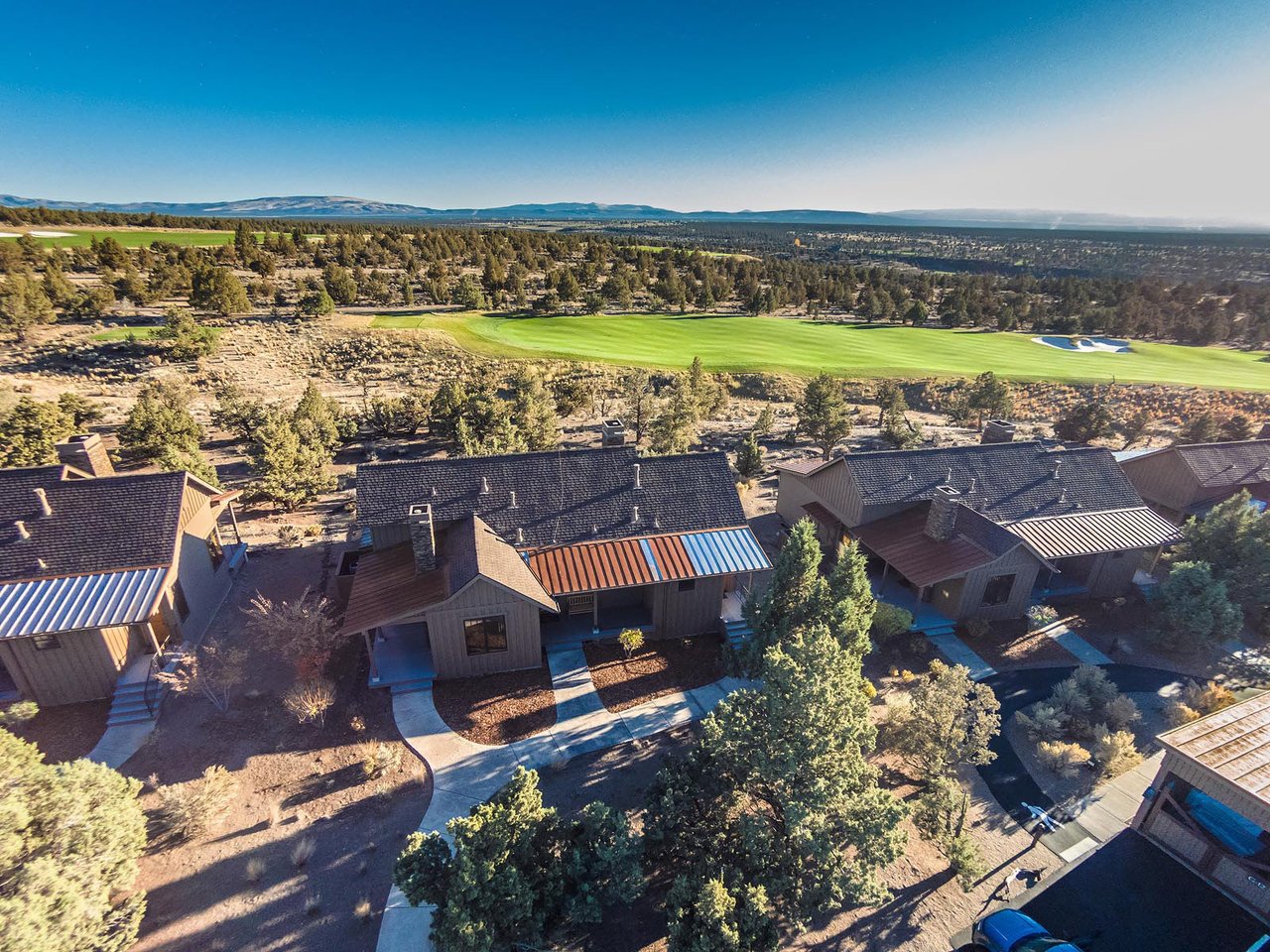
Tetherow: This resort community south of town centers on an 18-hole David McLay Kidd golf course with lodging, dining, and mountain views. Properties range from condos starting around $500,000 to custom homes exceeding $2 million. The HOA provides amenities but limits flexibility.
Tumalo: For those willing to live 10 miles northwest of Bend proper, Tumalo offers larger lots, rural character, and closer proximity to Mount Bachelor and Cascade Lakes Highway. Properties along Forest Service boundaries provide direct trail access. Prices span $500,000-$1.5 million depending on acreage and improvements.
Bend suits outdoor enthusiasts willing to reorganize their lives around recreation access. If you measure quality of life by powder days, trail miles, and summit sunrise views rather than career advancement, cultural diversity, or urban amenities, Bend delivers. The city works for remote workers and entrepreneurs who can earn elsewhere while living here, families prioritizing outdoor childhood experiences, and active retirees seeking mountain adventure without Montana winters or Colorado crowds.
Bend is NOT for those seeking cultural diversity, urban sophistication, career-building opportunities in traditional industries, or affordable housing. If you need regular access to major airports, specialized medical care, diverse dining scenes, or significant arts and culture beyond outdoor recreation, you'll find Bend limiting. The town challenges service workers and those on fixed incomes—housing costs have detached from local wages, creating painful gaps for teachers, healthcare workers, and hospitality employees who sustain the community but can't afford it.
The ideal Bend resident embraces seasonal variability (smoke in summer, cold in winter), accepts longer drives for big-city services, and finds community through shared outdoor pursuits rather than professional networks. This is a place for the mountain-obsessed, the powder-hungry, the trail-ready—those for whom adventure access trumps convenience, who'd rather dial back career ambitions to gain lifestyle freedom, and who find the Cascade backdrop endlessly renewing despite the practical compromises required to live beneath it.
Bend has 42,610 households, with an average household size of 6.97. Data provided by the U.S. Census Bureau. Here’s what the people living in Bend do for work — and how long it takes them to get there. Data provided by the U.S. Census Bureau. 102,163 people call Bend home. The population density is 330.237 and the largest age group is Data provided by the U.S. Census Bureau.
Total Population
Population Density Population Density This is the number of people per square mile in a neighborhood.
Median Age
Men vs Women
Population by Age Group
0-9 Years
10-17 Years
18-24 Years
25-64 Years
65-74 Years
75+ Years
Education Level
Total Households
Average Household Size
Average individual Income
Households with Children
With Children:
Without Children:
Blue vs White Collar Workers
Blue Collar:
White Collar:
There's plenty to do around Bend, including shopping, dining, nightlife, parks, and more. Data provided by Walk Score and Yelp.
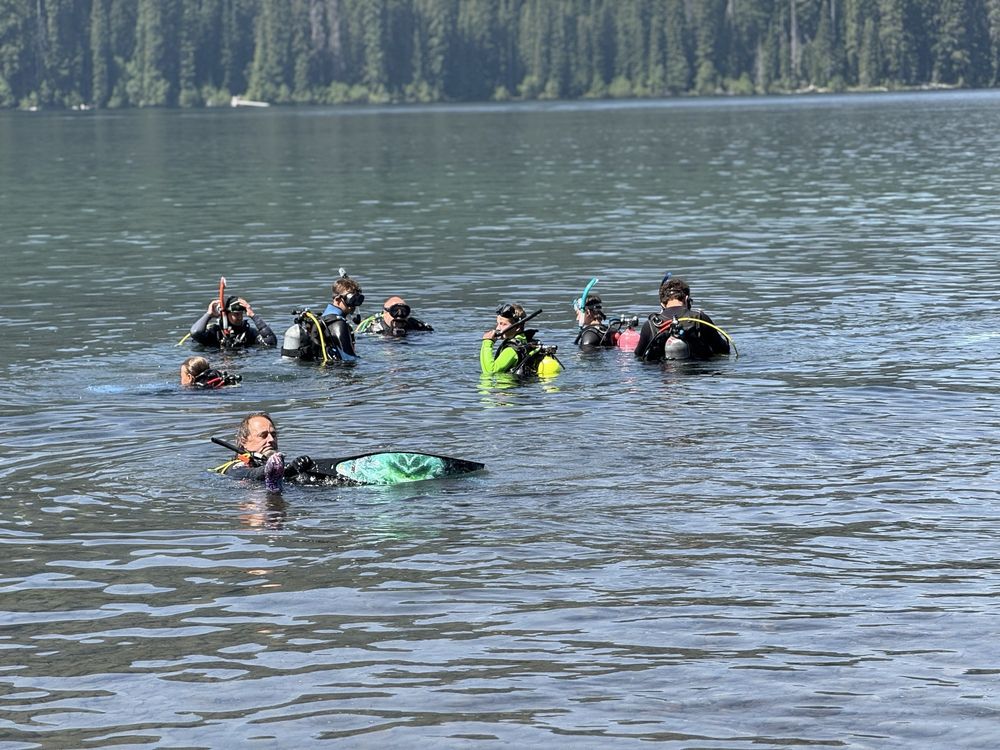
Explore popular things to do in the area, including Harmon Park, Rivers Bend Fly Fishing Guides, and Phil's Trailhead.
| Name | Category | Distance | Reviews |
Ratings by
Yelp
|
|---|---|---|---|---|
| Active | 4.12 miles | 7 reviews | 5/5 stars | |
| Active | 4.66 miles | 7 reviews | 5/5 stars | |
| Active | 3.83 miles | 5 reviews | 5/5 stars | |
| Active | 0.47 miles | 6 reviews | 5/5 stars | |
| Active | 4.08 miles | 6 reviews | 5/5 stars | |
| Active | 4.34 miles | 9 reviews | 5/5 stars | |
| Active | 2.21 miles | 6 reviews | 5/5 stars | |
| Active | 4.08 miles | 6 reviews | 5/5 stars | |
| Beauty | 2.41 miles | 8 reviews | 5/5 stars | |
| Beauty | 4.12 miles | 6 reviews | 5/5 stars | |
| Beauty | 2.42 miles | 5 reviews | 5/5 stars | |
| Beauty | 2.41 miles | 5 reviews | 5/5 stars | |
| Beauty | 3.69 miles | 6 reviews | 5/5 stars | |
| Beauty | 3.64 miles | 12 reviews | 5/5 stars | |
| Beauty | 4.59 miles | 5 reviews | 5/5 stars | |
| Beauty | 4.08 miles | 9 reviews | 5/5 stars | |
| Beauty | 4.68 miles | 6 reviews | 5/5 stars | |
| Beauty | 4.17 miles | 10 reviews | 5/5 stars | |
| Beauty | 3.84 miles | 6 reviews | 5/5 stars | |
|
|
||||
|
|
||||
|
|
||||
|
|
||||
|
|
||||
|
|
ADDRESS 50 SW BOND ST STE 1 BEND OR 97702
ADDRESS 50 SW BOND ST STE 1 BEND OR 97702